front
front
frʌnt
frant
/frʌnt/

A(z) „front” jelentĂ©se Ă©s meghatĂĄrozĂĄsa angolul

01

eleje, homlokzat
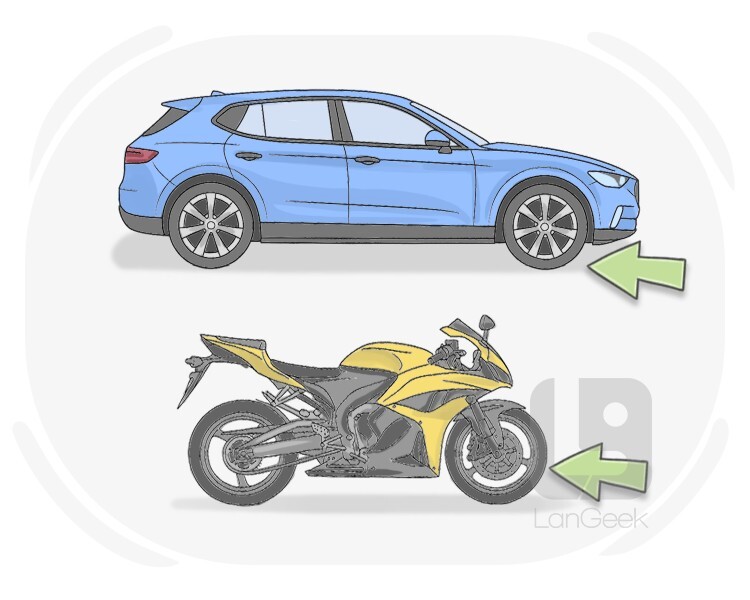
the part or surface of an object that is faced forward, seen first, or used first
front definition and meaning
Példåk
The front of the car was dented after the accident.
A baleset utĂĄn az autĂł eleje be volt horpadva.
1.1

homlokzat, elĂŒlsƑ rĂ©sz

the front face of a large building, particularly a church
Példåk
The front of the historic courthouse was adorned with tall columns and an imposing pediment.
A törtĂ©nelmi bĂ­rĂłsĂĄgi Ă©pĂŒlet homlokzata magas oszlopokkal Ă©s lenyƱgözƑ oromzattal volt dĂ­szĂ­tve.
02

front, frontvonal

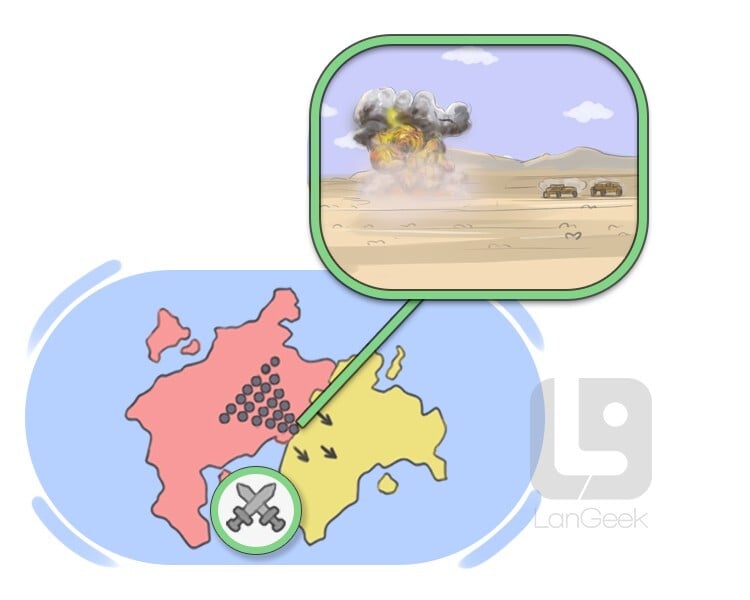
the most forward position in a battle or conflict, where fighting is happening
front definition and meaning
Példåk
Tensions were high on the front, with both sides ready for action.
Magasak voltak a feszĂŒltsĂ©gek a fronton, mindkĂ©t fĂ©l kĂ©szen ĂĄllt a cselekvĂ©sre.
03

homlokzat, kĂŒlsƑ

an outward appearance or demeanor that a person presents
Példåk
Her cheerful front at the party hid the sadness she was carrying inside.
A bulin a vidĂĄm kĂŒlsƑje elrejtette a szomorĂșsĂĄgot, amit magĂĄban hordozott.
04

fĂŒggöny, homlokzat

a person or thing that hides the true nature or identity of something, often used to conceal illegal or unethical activities
Példåk
She acted as a front for her brother ’s illegal activities.
FedƑszervezetkĂ©nt mƱködött a bĂĄtyja illegĂĄlis tevĂ©kenysĂ©gei mögött.
05

front, koalĂ­ciĂł

a group of people or organizations working together for a common political goal
Példåk
The workers ’ front called for fair wages and better working conditions.
A munkĂĄsok frontja tisztessĂ©ges bĂ©reket Ă©s jobb munkakörĂŒlmĂ©nyeket követelt.
06

hidegfront, idƑjárási front

the point where two air masses of different temperatures meet
Példåk
A warm front brought unseasonably high temperatures and humidity to the area.
Egy meleg front szokatlanul magas hƑmĂ©rsĂ©kletet Ă©s pĂĄratartalmat hozott a tĂ©rsĂ©gbe.
07

front, terĂŒlet

a specific area or aspect of activity or concern, often used to describe different fields or domains of focus
Példåk
On the technology front, the company has made significant advancements.
A technolĂłgiai fronton a vĂĄllalat jelentƑs elƑrelĂ©pĂ©st Ă©rt el.
08

pimaszsåg, önbizalom

the display of self-assurance or audacity, often in a way that might seem exaggerated
Példåk
His front during the meeting was impressive, but I could tell he was nervous inside.
A megbeszĂ©lĂ©s alatti kĂŒlsƑ lenyƱgözƑ volt, de lĂĄttam, hogy belĂŒl ideges.
09

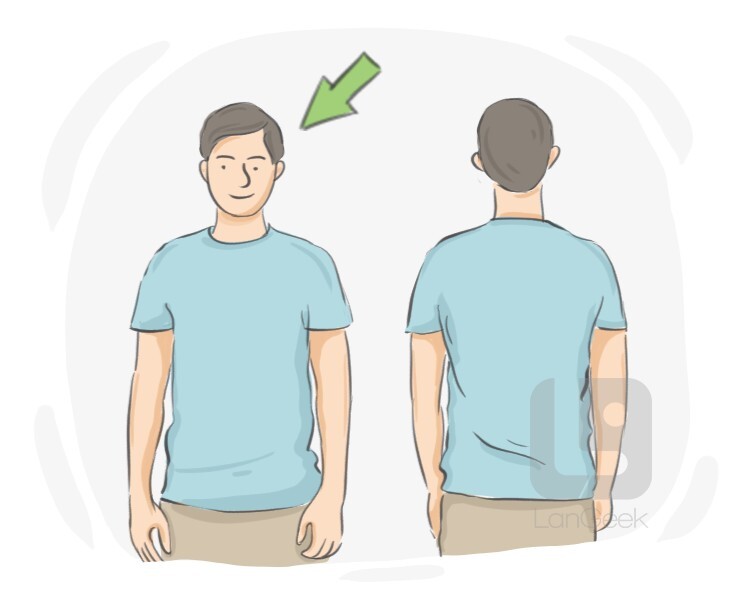
homlok, arc

the part of the head, particularly the area from the eyes up to the hairline
Példåk
His front was covered with a worried expression as he listened to the news.
Homloka aggodalmas kifejezéssel volt borítva, ahogy hallgatta a híreket.
01

elĂŒlsƑ, homlokzati

located at or toward the forward-facing side or part of an object or space
front definition and meaning
Példåk
The front seats of the car offer the best view of the road.
Az autĂł elĂŒlsƑ ĂŒlĂ©sei nyĂșjtjĂĄk a legjobb kilĂĄtĂĄst az Ăștra.
02

elĂŒlsƑ

(of a vowel) produced with the tongue positioned towards the front of the mouth
Példåk
In linguistics, front vowels are produced with the tongue closer to the teeth.
A nyelvĂ©szetben az elĂŒlsƑ magĂĄnhangzĂłkat a nyelvvel, közelebb a fogakhoz ĂĄllĂ­tjĂĄk elƑ.
to front
01

szembeszåll, szembenéz

to face someone or something boldly, often in a challenging or assertive manner
Példåk
Tom fronted his opponent in the debate, presenting his argument with conviction.
Tom szembeszĂĄllt az ellenfelĂ©vel a vitĂĄban, meggyƑzƑdĂ©ssel elƑadva Ă©rveit.
02

néz, helyezkedik

to face or be positioned toward a particular direction or location
Példåk
The garden fronts the main road, making it easily visible to passersby.
A kert a fƑĂșt felĂ© nĂ©z, ami miatt jĂłl lĂĄthatĂł az arra jĂĄrĂłk szĂĄmĂĄra.
03

burkol, borĂ­t

to add a decorative or protective layer to the front side of an object or structure
Példåk
The car was fronted by a sleek chrome grille.
Az autĂłt egy elegĂĄns krĂłmrĂĄcs frontozta.
04

vezet, élén åll

to act as the primary person leading or performing for a band or group
Példåk
He used to front the band before they decided to go their separate ways.
Ɛ szokta vezetni a bandĂĄt, mielƑtt Ășgy döntöttek, hogy szĂ©tvĂĄlnak.
05

vezet, bemutat

to be the main person who leads or presents a broadcast or show
Példåk
He has been asked to front the new evening news program.
MegkĂ©rtĂ©k, hogy vezesse az Ășj esti hĂ­rmƱsort.
06

szĂ­nlel, tesz Ășgy

to act in a way that conceals one’s real emotions or character, often to impress or deceive others
Példåk
He was just fronting to fit in with the crowd.
Csak tettette, hogy beleilljen a tömegbe.
07

fedƑszolgálatot lát el, leplez

to act as a false or misleading outward appearance that hides the true purpose or activity behind it
Példåk
The fake charity was set up to front for a money laundering scheme.
A hamis jótékonysågi szervezetet azért hoztåk létre, hogy leplezze a pénzmosåsi sémåt.
08

elƑlegez, finanszíroz

to give someone the money or supplies they need to start something
Példåk
She fronted them a large sum to launch their new venture.
ElƑlegezett nekik egy nagy összeget Ășj vĂĄllalkozĂĄsuk elindĂ­tĂĄsĂĄhoz.
LanGeek
Alkalmazås Letöltése
langeek application

Download Mobile App

App Store