






























to theme
01
테마를 부여하다, 특정 테마를 주다
to give a specific setting to an event, place, etc.
Transitive: to theme an event or place
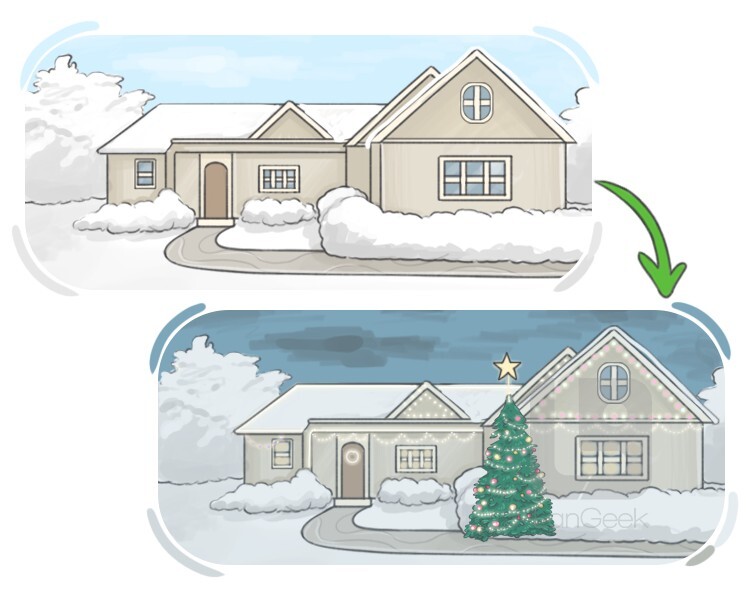
문법 정보
형태적 구성
파생어
동작 동사
규칙
현재 시제
theme
3인칭 단수
themes
현재분사
theming
단순 과거
themed
과거분사
themed
예시들
The cafe decided to theme its weekend brunch events with a vintage vibe, including retro music and decor.
카페는 주말 브런치 행사를 레트로 음악과 장식이 포함된 빈티지 분위기로 테마화하기로 결정했습니다.
Theme
01
주제, 테마
the topic or idea that is being discussed
문법 정보
유생성 상태
추상
형태적 구성
단순어
가산
singular
not gender specific
복수형
themes
예시들
The documentary explored the theme of climate change.
그 다큐멘터리는 기후 변화의 주제를 탐구했다.
02
테마, 모티프
a recurring element that is the main idea or subject in a literary or artistic piece
03
주제, 에세이
an essay (especially one written as an assignment)
04
테마, 라이모티프
a recurring melody, rhythm, chord progression, or motif in a musical composition that serves as a unifying element
예시들
The leitmotif, a recurring musical theme associated with a specific character or idea, added depth and symbolism to the opera.
라이모티프, 특정 캐릭터나 아이디어와 관련된 반복되는 음악 주제는 오페라에 깊이와 상징성을 더했습니다.
05
테마, 어근
(linguistics) the form of a word after all affixes are removed
06
주제, 테마
the main focus or subject of a sentence or an action


