






























to theme
01
主题化, 赋予特定主题
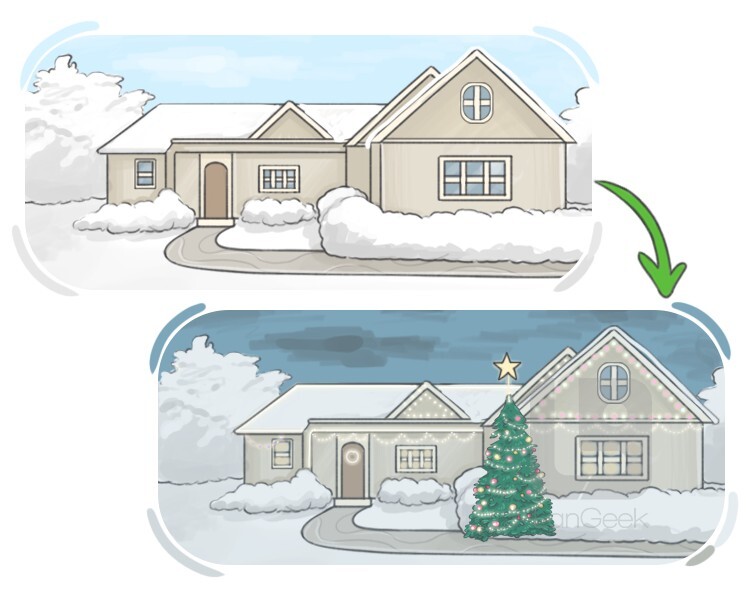
to give a specific setting to an event, place, etc.
Transitive: to theme an event or place
语法信息
形态构成
派生
动作动词
规则
现在时
theme
第三人称单数
themes
现在分词
theming
一般过去时
themed
过去分词
themed
例子
The cafe decided to theme its weekend brunch events with a vintage vibe, including retro music and decor.
咖啡馆决定以复古风格主题化其周末早午餐活动,包括复古音乐和装饰。
Theme
01
主题, 话题
the topic or idea that is being discussed
语法信息
有生性状态
抽象
形态构成
简单词
可数
singular
not gender specific
复数形式
themes
例子
The documentary explored the theme of climate change.
这部纪录片探讨了气候变化的主题。
02
主题, 动机
a recurring element that is the main idea or subject in a literary or artistic piece
03
主题, 作文
an essay (especially one written as an assignment)
04
主题, 主导动机
a recurring melody, rhythm, chord progression, or motif in a musical composition that serves as a unifying element
例子
The leitmotif, a recurring musical theme associated with a specific character or idea, added depth and symbolism to the opera.
主导动机,一个与特定角色或想法相关的重复音乐主题,为歌剧增添了深度和象征意义。
05
主题, 词根
(linguistics) the form of a word after all affixes are removed
06
主题, 题目
the main focus or subject of a sentence or an action


