






























to theme
01
テーマを設定する, 特定のテーマを与える
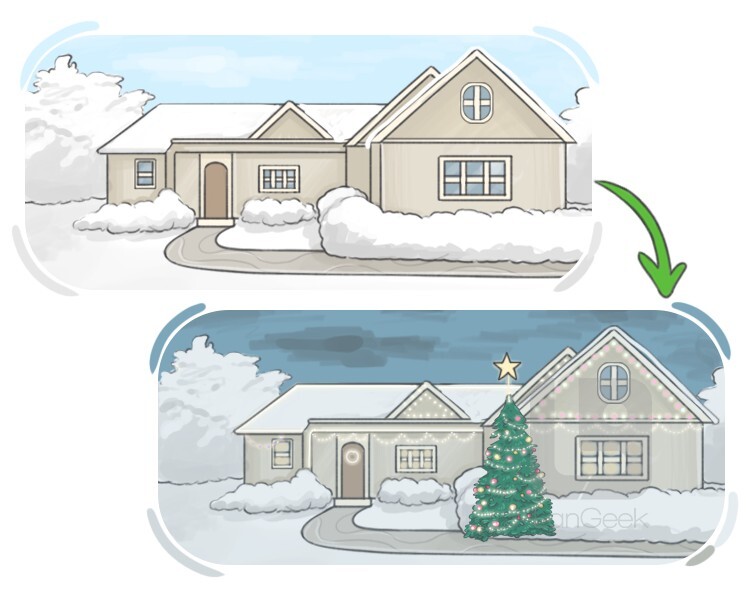
to give a specific setting to an event, place, etc.
Transitive: to theme an event or place
文法情報
形態的構成
派生語
動作動詞
規則的
現在時制
theme
三人称単数
themes
現在分詞
theming
単純過去
themed
過去分詞
themed
例
The cafe decided to theme its weekend brunch events with a vintage vibe, including retro music and decor.
カフェは週末のブランチイベントをビンテージ風にテーマ設定することに決め、レトロな音楽と装飾を含めました。
Theme
01
テーマ, 主題
the topic or idea that is being discussed
文法情報
有生性の状態
抽象的
形態的構成
単純語
可算
singular
not gender specific
複数形
themes
例
The documentary explored the theme of climate change.
そのドキュメンタリーは気候変動のテーマを探求した。
02
テーマ, モチーフ
a recurring element that is the main idea or subject in a literary or artistic piece
03
テーマ, 作文
an essay (especially one written as an assignment)
04
テーマ, ライトモチーフ
a recurring melody, rhythm, chord progression, or motif in a musical composition that serves as a unifying element
例
The leitmotif, a recurring musical theme associated with a specific character or idea, added depth and symbolism to the opera.
ライトモチーフ、特定のキャラクターやアイデアに関連する繰り返しの音楽テーマは、オペラに深みと象徴性を加えました。
05
テーマ, 語根
(linguistics) the form of a word after all affixes are removed
06
テーマ, 主題
the main focus or subject of a sentence or an action


