


























start
start
stɑ:rt
staart
British pronunciation
/stɑːt/

英語での「start」の定義と意味

to start
01

始める, 開始する

to begin something new and continue doing it, feeling it, etc.
Transitive: to start doing sth | to start to do sth
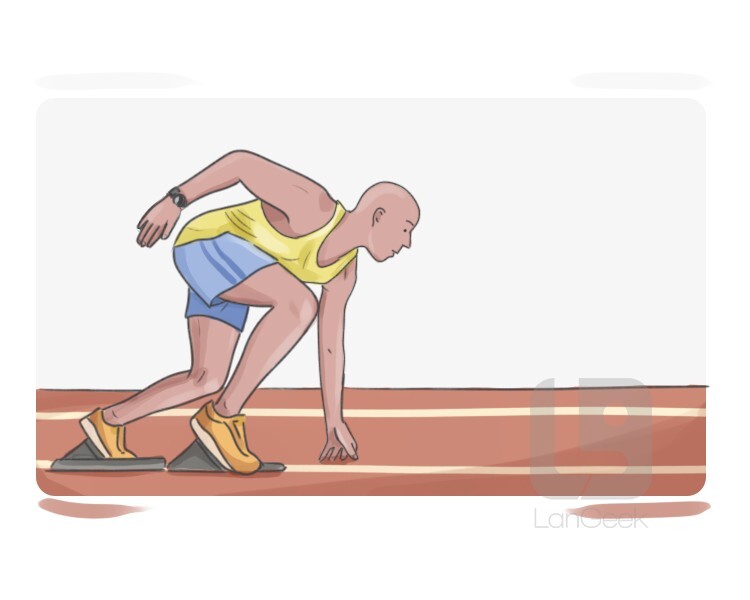
to start definition and meaning
example
He started singing along to the song on the radio.
彼はラジオの歌に合わせて歌い始めた。
I started learning a new language last month.
私は先月、新しい言語を学び始めました。
1.1

始める, 出発する

to initiate movement toward a specific destination or direction
Intransitive: to start to a direction | to start for a destination
example
At dawn, the explorers started toward the mountain to begin their ascent.
夜明けに、探検家たちは山に向かって開始し、登攀を始めました。
After saying goodbye, she started for the train station to catch the early morning train.
別れを告げた後、彼女は朝の電車に乗るために駅へと向かった
1.2

びくっとする, はっとする

to suddenly make an involuntary movement in reaction to a shock or surprise
Intransitive
example
He started when the car honked loudly behind him.
後ろの車が大声でクラクションを鳴らしたとき、彼はびくっとした
I started when I heard the loud noise outside.
外で大きな音を聞いたとき、私はびくっとした
1.3

始める, 開始する

to begin to engage in something such as a profession, period of education, etc.
Transitive: to start sth as sb/sth
Intransitive: to start as sb/sth
example
He started as a part-time cashier but was promoted to store manager.
彼はパートタイムのレジ係として始めましたが、店長に昇進しました。
He started as a newspaper delivery boy earning $ 5 a week.
彼は新聞配達の少年として週5ドルを稼ぐことから始めました。
1.4

始める, 開始する

to come into existence or begin to happen
Intransitive: to start point in time | to start in a specific manner | to start
example
It started as a small blog, but over time, it grew.
それは小さなブログとして始まりましたが、時間が経つにつれて、成長しました。
The play started with a dramatic monologue.
その劇は劇的なモノローグで始まりました。
02

始める, 開始する

to come into existence or become active from a particular place or specific time
Intransitive: to start point in time | to start somewhere
example
The fire started in the kitchen and quickly spread throughout the house.
火事は台所で始まり、家全体に急速に広がった。
The concert will start promptly at 7 p.m., so please be on time.
コンサートは午後7時ちょうどに始まりますので、時間通りに来てください。
2.1

引き起こす, 開始する

to cause something to come into existence or become active from a particular place or specific time
Transitive: to start sth
example
The faulty wiring started a fire that destroyed the building.
欠陥配線が建物を破壊した火災を引き起こした
She started the rumor that quickly spread throughout the office.
彼女はオフィス中に急速に広がった噂を始めました。
2.2

始動する, 作動し始める

(of a machine or device) to begin functioning or operating
Intransitive
example
The engine took a few tries before it finally started on the cold morning.
寒い朝、エンジンがようやく始動するまでに数回の試行が必要でした。
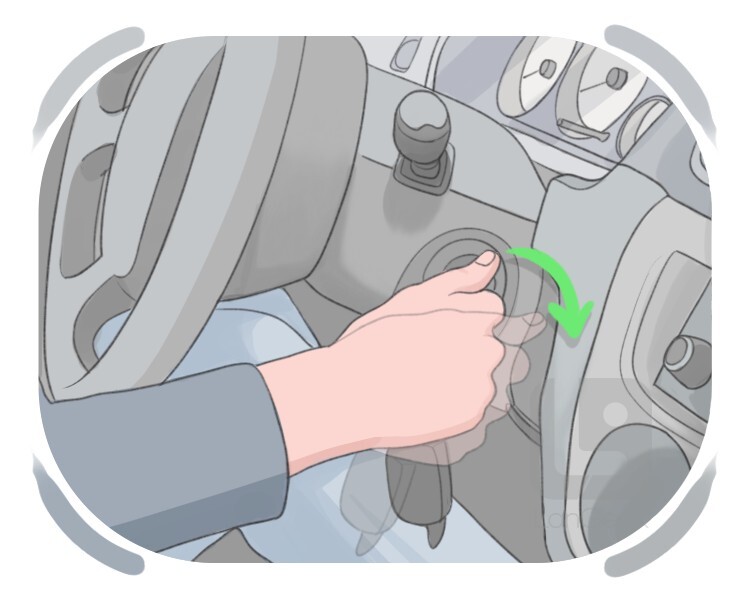
When the computer starts, it displays the company's logo on the screen.
コンピュータが起動すると、会社のロゴが画面に表示されます。
2.3

始動する, 起動する

to cause a machine or device to begin operating or functioning
Transitive: to start a device, machine, or engine
to start definition and meaning
example
She started the coffee machine to brew a fresh pot for the morning.
彼女は朝用に新鮮なコーヒーを入れるためにコーヒーマシンを起動しました。
The technician started the computer to perform diagnostic tests.
技術者は診断テストを実行するためにコンピューターを起動しました。
Start
01

開始, スタート

the action or process of beginning something
example
She made a start on her research paper by drafting the introduction.
彼女は序論を起草することで、研究論文に着手しました。
Even a small donation is a start towards achieving our fundraising goal.
小さな寄付でさえ、私たちの資金調達目標を達成するための始まりです。
02

開始, 始まり

the initial moment or location from which something originates
example
The project is scheduled to launch at the start of the fiscal year.
プロジェクトは会計年度の初めに開始予定です。
She marked the start of her new job with a celebratory lunch.
彼女は祝賀ランチで新しい仕事の始まりを記念した。
03

スタート, 始まり

the initial conditions or opportunities a person experiences at a beginning, which can influence their future development and success
example
The scholarship provided him with a solid start towards achieving his dream of becoming a doctor.
奨学金は、医者になるという彼の夢を達成するための確かなスタートを彼に与えた。
Her internship at the law firm was the start she needed to launch her legal career.
04

スタート, 参加の機会

the opportunity or instance of being entered into a race as a contestant
example
He was excited to secure a start in the prestigious marathon after months of training.
彼は数ヶ月のトレーニングの後、権威あるマラソンでスタートを切れることに興奮していました。
The track meet gave her a start in the 100-meter dash alongside elite athletes.
トラック競技会で、彼女はエリートアスリートと並んで100メートル走のスタートを切った。
05

開始, 始める機会

the opportunity or instance of being selected to participate as a starter in a sports team at the beginning of a game
example
He was thrilled to earn a start in the football game, playing as a quarterback.
彼はフットボールの試合でクォーターバックとしてプレーするスタートを切れて興奮していた。
After weeks of hard work, she received her first start as a defender in the soccer match.
何週間もの頑張りの末、彼女はサッカーの試合でディフェンダーとして初めて先発出場を果たしました。
06

びくっ, はっと

an abrupt physical reaction, often as a result of surprise or shock
example
She gave a start when the alarm suddenly went off.
アラームが突然鳴った時、彼女はびくっとした
She felt a start when the unexpected flash of lightning lit up the room.
予期せぬ稲妻が部屋を照らした時、彼女はびくっとした
07

有利, 早期スタート

an advantage gained by starting a race or journey before others
example
He secured a significant start in the marathon by taking off before the official gun sounded.
彼は公式の銃声が鳴る前に出発することで、マラソンで重要な スタート を切りました。
The runner received a ten-second start over the rest of the competitors in the 5 K race.
そのランナーは5Kレースで他の競技者に対して10秒のスタートを得ました。
08

驚き, びっくり

an unexpected event that causes surprise
Old useOld use
example
It was quite a start to find a famous celebrity sitting next to her on the train.
電車で彼女の隣に有名な有名人が座っているのを見つけるのは、かなりの始まりだった。
The unexpected announcement at the meeting was a real start for everyone involved.
会議での予期せぬ発表は、関係者全員にとって本当の始まりでした。
09

スタート, スタートライン

the location or point where a race or competition begins
example
The runners lined up at the start, waiting for the signal to begin the marathon.
ランナーたちはスタート地点に並び、マラソンを始める合図を待っていました。
The coach reminded the runners to stay behind the start line until the race officially began.
コーチは走者たちに、レースが正式に始まるまでスタートラインの後ろにいるように思い出させた。
LanGeek
アプリをダウンロード
langeek application

Download Mobile App

stars

app store
