

Caută
Selectați limba dicționarului





























to oppose
01
a se opune, a rezista
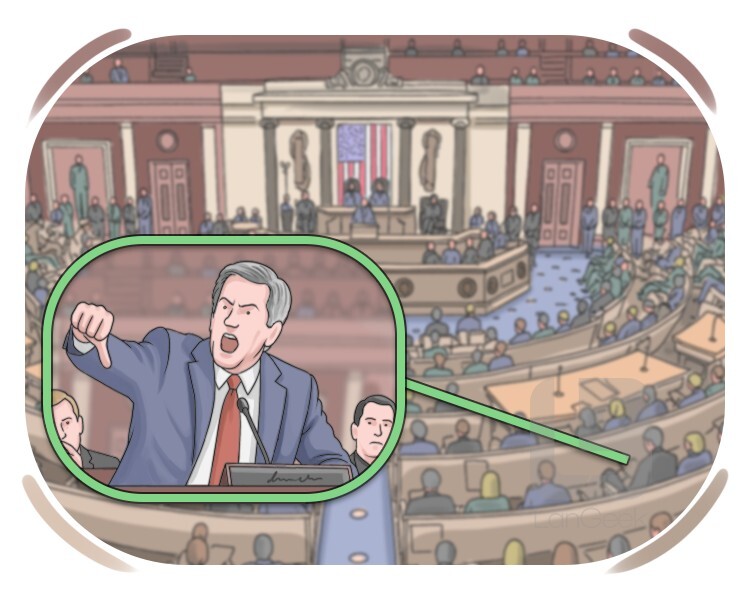
to strongly disagree with a policy, plan, idea, etc. and try to prevent or change it
Transitive: to oppose a plan or idea
informații gramaticale
compoziție morfologică
simplu
verb de acțiune
regulat
timpul prezent
oppose
persoana a III-a singular
opposes
participiu prezent
opposing
trecut simplu
opposed
participiu trecut
opposed
Exemple
The local residents opposed the construction of the new factory due to environmental concerns.
Locuitorii locali s-au opus construirii noii fabrici din cauza preocupărilor de mediu.
02
a se opune, a rezista
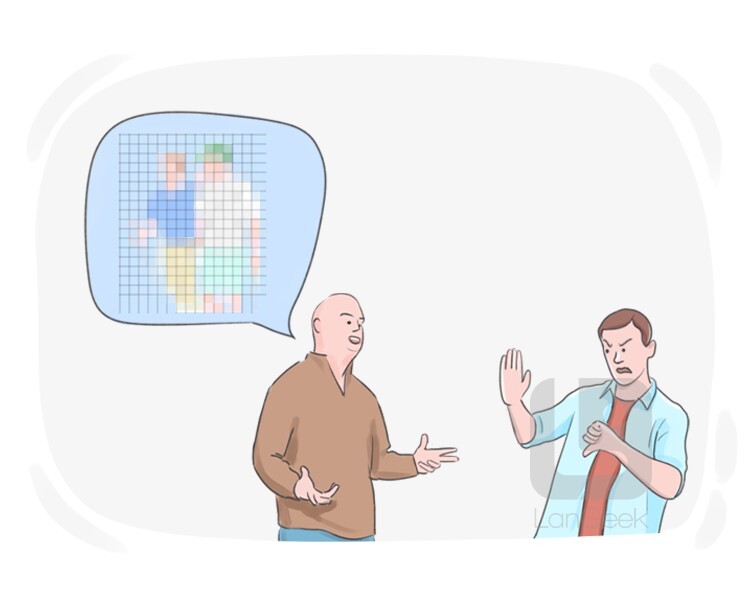
to firmly resist something
Transitive: to oppose a regulation
Exemple
The workers opposed the safety changes, pushing back against the new regulations.
Lucrătorii s-au opus modificărilor de siguranță, rezistând noilor reglementări.
03
opune, contrasta
to place something against another thing in order to create a contrast, balance, or counterbalance
Transitive: to oppose effect of something
Exemple
The dark colors of the walls oppose the bright furniture, creating a striking contrast.
Culorile închise ale pereților se opun mobilei luminoase, creând un contrast izbitor.
04
a înfrunta, a se opune
to engage in a contest or competition with someone, aiming to defeat them
Transitive: to oppose a rival
Exemple
He had to oppose his toughest rival in the final round of the tournament.
A trebuit să se opună celui mai dur rival al său în runda finală a turneului.
05
a se opune, a contesta
to counter or raise something or someone against another
Transitive: to oppose sth
Exemple
The lawyer opposed the defendant's argument by presenting new evidence.
Avocatul s-a opus argumentului inculpatului prezentând noi dovezi.
LanGeek
Descarcă aplicația noastră mobilă

Arbore Lexical
opposable
opposed
opposer
oppose

