

Keresés
Válassza ki a szótár nyelvét





























to oppose
01
ellenez, ellenáll
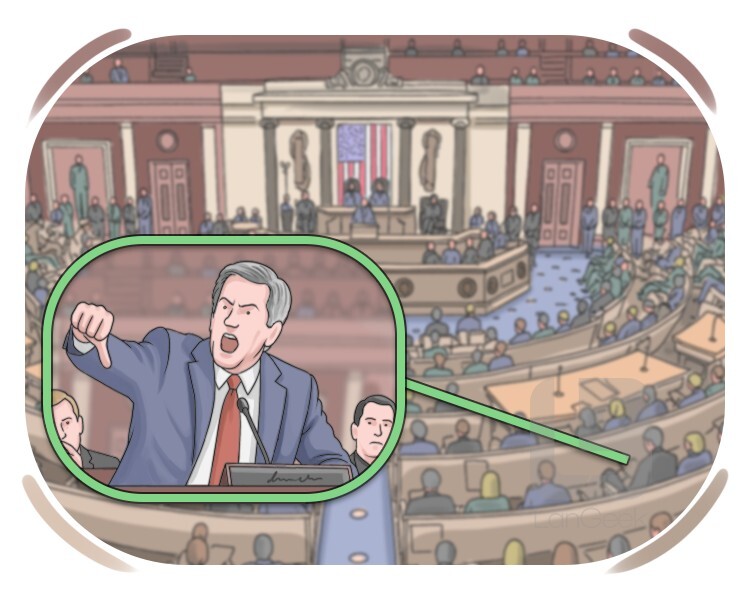
to strongly disagree with a policy, plan, idea, etc. and try to prevent or change it
Transitive: to oppose a plan or idea
nyelvtani információk
morfológiai összetétel
egyszerű
cselekvést jelentő ige
szabályos
jelen idő
oppose
egyes szám 3. személy
opposes
folyamatos melléknévi igenév
opposing
egyszerű múlt
opposed
befejezett melléknévi igenév
opposed
Példák
The local residents opposed the construction of the new factory due to environmental concerns.
A helyi lakosok ellenezték az új gyár építését a környezeti aggályok miatt.
02
ellenez, ellenáll
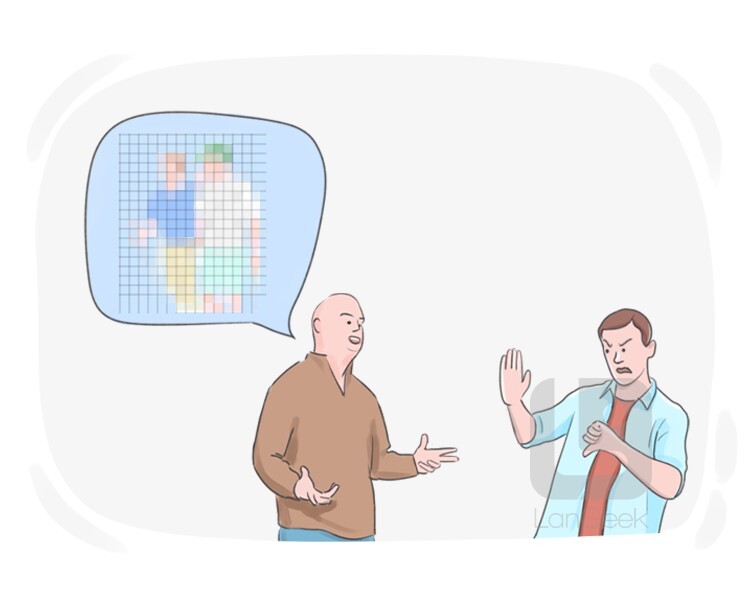
to firmly resist something
Transitive: to oppose a regulation
Példák
The workers opposed the safety changes, pushing back against the new regulations.
A munkások ellenezték a biztonsági változtatásokat, ellenálltak az új szabályozásoknak.
03
ellentétbe állít, kontrasztot képez
to place something against another thing in order to create a contrast, balance, or counterbalance
Transitive: to oppose effect of something
Példák
The dark colors of the walls oppose the bright furniture, creating a striking contrast.
A falak sötét színei ellentétben állnak a világos bútorokkal, ami feltűnő kontrasztot teremt.
04
szembeszáll, ellenez
to engage in a contest or competition with someone, aiming to defeat them
Transitive: to oppose a rival
Példák
He had to oppose his toughest rival in the final round of the tournament.
A torny döntőjében a legkeményebb ellenfelének kellett ellenszegülnie.
05
ellenez, szembeszáll
to counter or raise something or someone against another
Transitive: to oppose sth
Példák
The lawyer opposed the defendant's argument by presenting new evidence.
Az ügyvéd ellenezte a vádlott érvelését új bizonyítékok bemutatásával.
LanGeek
Töltse le mobilalkalmazásunkat

Lexikai Fa
opposable
opposed
opposer
oppose

