

Buscar
Selecciona el idioma del diccionario





























to oppose
01
oponerse a
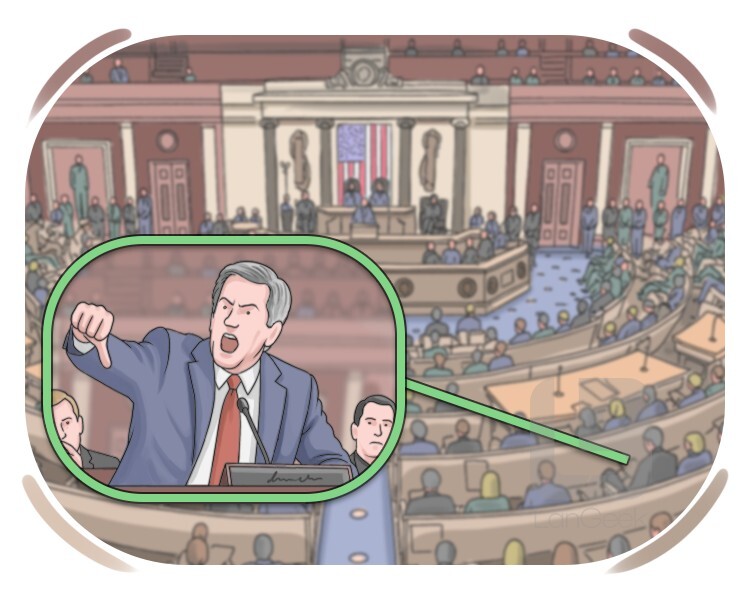
to strongly disagree with a policy, plan, idea, etc. and try to prevent or change it
Transitive: to oppose a plan or idea
información gramatical
composición morfológica
simple
verbo de acción
regular
presente
oppose
3.ª persona singular
opposes
participio presente
opposing
pretérito simple
opposed
participio pasado
opposed
Ejemplos
The local residents opposed the construction of the new factory due to environmental concerns.
Los residentes locales se opusieron a la construcción de la nueva fábrica debido a preocupaciones ambientales.
02
oponerse, resistir
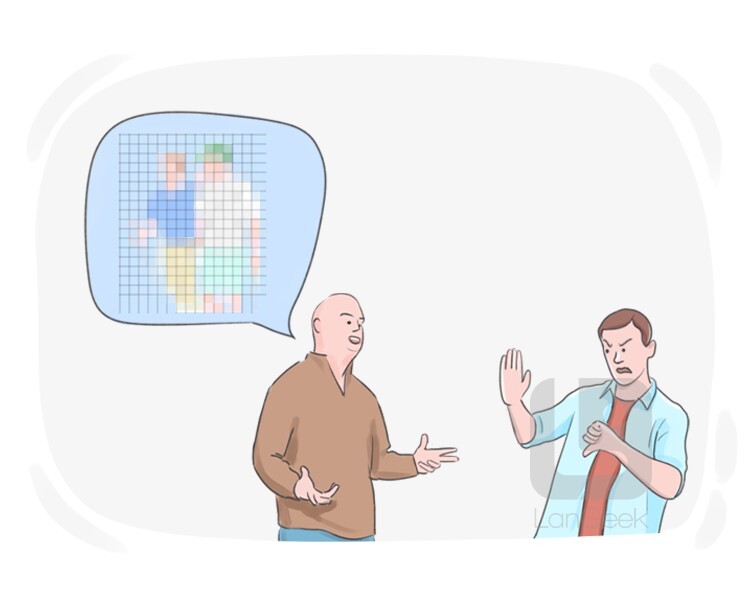
to firmly resist something
Transitive: to oppose a regulation
Ejemplos
The workers opposed the safety changes, pushing back against the new regulations.
Los trabajadores se opusieron a los cambios de seguridad, resistiendo las nuevas regulaciones.
03
oponer, contrastar
to place something against another thing in order to create a contrast, balance, or counterbalance
Transitive: to oppose effect of something
Ejemplos
The dark colors of the walls oppose the bright furniture, creating a striking contrast.
Los colores oscuros de las paredes se oponen a los muebles brillantes, creando un contraste llamativo.
04
enfrentar, oponerse a
to engage in a contest or competition with someone, aiming to defeat them
Transitive: to oppose a rival
Ejemplos
He had to oppose his toughest rival in the final round of the tournament.
Tuvo que oponerse a su rival más duro en la ronda final del torneo.
05
oponerse, contradecir
to counter or raise something or someone against another
Transitive: to oppose sth
Ejemplos
The lawyer opposed the defendant's argument by presenting new evidence.
El abogado opuso el argumento del acusado presentando nuevas pruebas.
LanGeek
Descarga nuestra aplicación móvil

Árbol Léxico
opposable
opposed
opposer
oppose

