

Hledat





























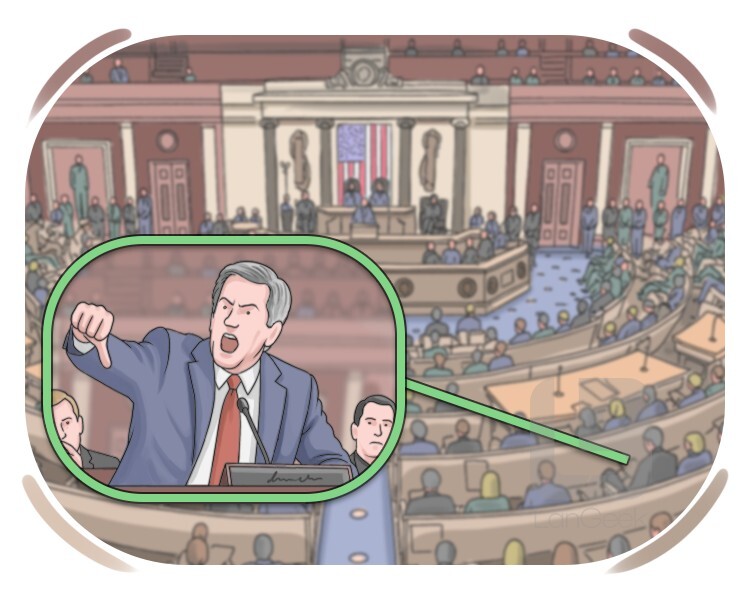
to oppose
01
odporovat, bránit se
to strongly disagree with a policy, plan, idea, etc. and try to prevent or change it
Transitive: to oppose a plan or idea
gramatické informace
morfologické složení
jednoduché
dějové sloveso
pravidelné
přítomný čas
oppose
3. osoba jednotného čísla
opposes
příčestí přítomné
opposing
minulý čas prostý
opposed
příčestí minulé
opposed
Příklady
The local residents opposed the construction of the new factory due to environmental concerns.
Místní obyvatelé se postavili proti výstavbě nové továrny kvůli obavám o životní prostředí.
02
odporovat, bránit se
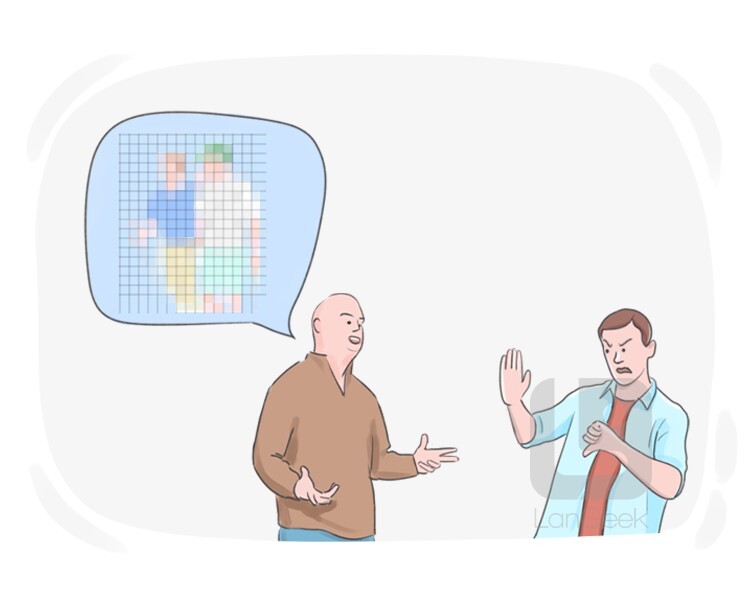
to firmly resist something
Transitive: to oppose a regulation
Příklady
The workers opposed the safety changes, pushing back against the new regulations.
Pracovníci odmítli bezpečnostní změny, bránili se novým předpisům.
03
postavit proti, kontrastovat
to place something against another thing in order to create a contrast, balance, or counterbalance
Transitive: to oppose effect of something
Příklady
The dark colors of the walls oppose the bright furniture, creating a striking contrast.
Tmavé barvy stěn odporují jasnému nábytku, čímž vytvářejí nápadný kontrast.
04
čelit, postavit se proti
to engage in a contest or competition with someone, aiming to defeat them
Transitive: to oppose a rival
Příklady
He had to oppose his toughest rival in the final round of the tournament.
Musel čelit svému nejtvrdšímu soupeři ve finálovém kole turnaje.
05
odporovat, namítat
to counter or raise something or someone against another
Transitive: to oppose sth
Příklady
The lawyer opposed the defendant's argument by presenting new evidence.
Advokát namítal proti argumentu obžalovaného předložením nových důkazů.
LanGeek
Stáhněte si naši mobilní aplikaci

Lexikální Strom
opposable
opposed
opposer
oppose

