






























to oppose
01
反对, 抵抗
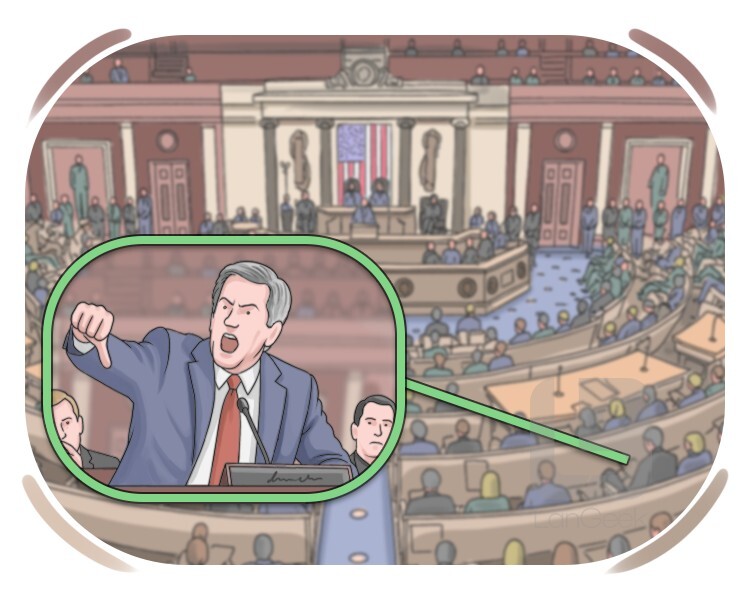
to strongly disagree with a policy, plan, idea, etc. and try to prevent or change it
Transitive: to oppose a plan or idea
语法信息
形态构成
简单词
动作动词
规则
现在时
oppose
第三人称单数
opposes
现在分词
opposing
一般过去时
opposed
过去分词
opposed
例子
The local residents opposed the construction of the new factory due to environmental concerns.
当地居民因环境问题反对建造新工厂。
02
反对, 抵抗
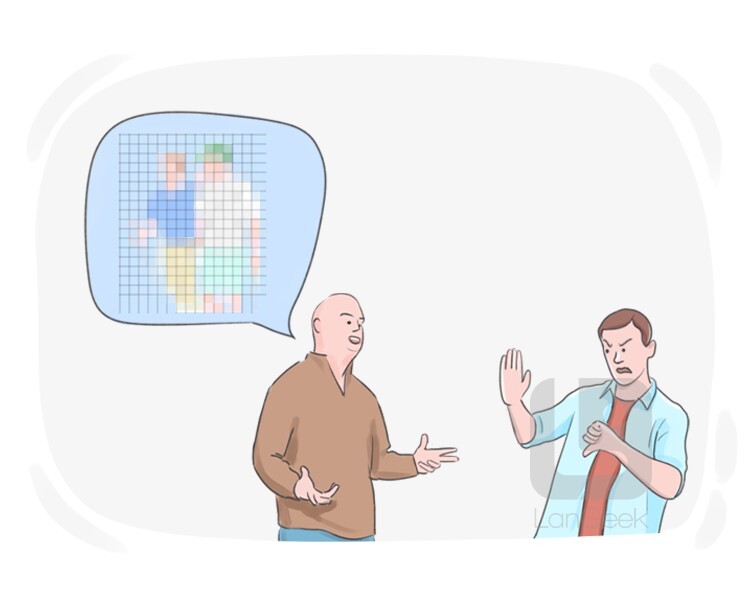
to firmly resist something
Transitive: to oppose a regulation
例子
The workers opposed the safety changes, pushing back against the new regulations.
工人们反对安全变更,抵制新规定。
03
对立, 对比
to place something against another thing in order to create a contrast, balance, or counterbalance
Transitive: to oppose effect of something
例子
The dark colors of the walls oppose the bright furniture, creating a striking contrast.
墙壁的深色与明亮的家具形成鲜明对比。
04
对抗, 反对
to engage in a contest or competition with someone, aiming to defeat them
Transitive: to oppose a rival
例子
He had to oppose his toughest rival in the final round of the tournament.
他不得不在锦标赛的最后一轮对抗他最强大的对手。
05
反对, 对抗
to counter or raise something or someone against another
Transitive: to oppose sth
例子
The lawyer opposed the defendant's argument by presenting new evidence.
律师通过提出新证据反对被告的论点。
LanGeek
下载我们的移动应用

词汇树
opposable
opposed
opposer
oppose

