






























to oppose
01
反対する, 抵抗する
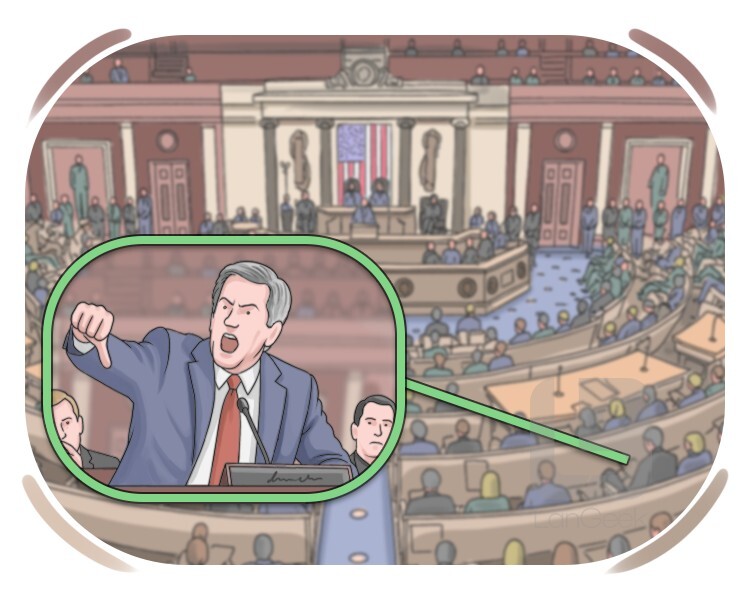
to strongly disagree with a policy, plan, idea, etc. and try to prevent or change it
Transitive: to oppose a plan or idea
文法情報
形態的構成
単純語
動作動詞
規則的
現在時制
oppose
三人称単数
opposes
現在分詞
opposing
単純過去
opposed
過去分詞
opposed
例
The local residents opposed the construction of the new factory due to environmental concerns.
地元住民は環境問題を理由に新工場の建設に反対した。
02
反対する, 抵抗する
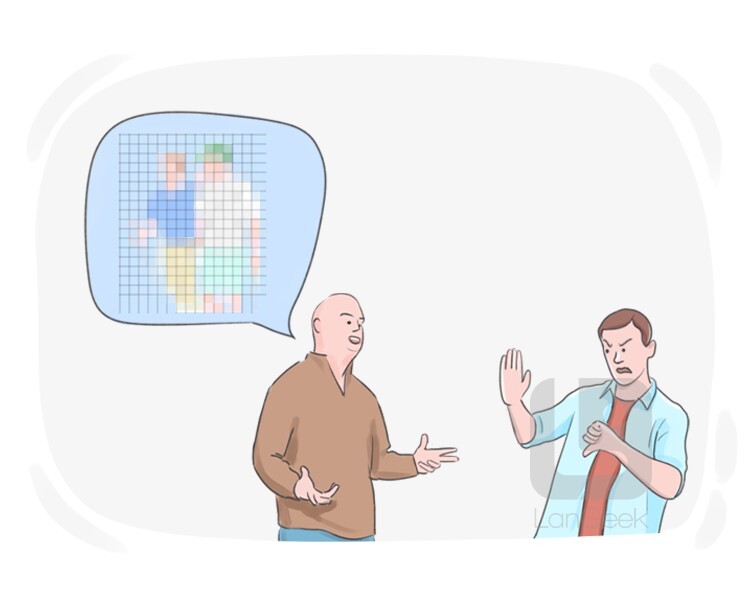
to firmly resist something
Transitive: to oppose a regulation
例
The workers opposed the safety changes, pushing back against the new regulations.
労働者は安全対策の変更に反対し、新しい規制に抵抗した。
03
対置する, 対比させる
to place something against another thing in order to create a contrast, balance, or counterbalance
Transitive: to oppose effect of something
例
The dark colors of the walls oppose the bright furniture, creating a striking contrast.
壁の暗い色は明るい家具と対照的で、印象的なコントラストを作り出しています。
04
対抗する, 反対する
to engage in a contest or competition with someone, aiming to defeat them
Transitive: to oppose a rival
例
He had to oppose his toughest rival in the final round of the tournament.
彼はトーナメントの最終ラウンドで最も手強いライバルに対抗しなければならなかった。
05
反対する, 抵抗する
to counter or raise something or someone against another
Transitive: to oppose sth
例
The lawyer opposed the defendant's argument by presenting new evidence.
弁護士は新しい証拠を提示することで被告の主張に反対した。
LanGeek
モバイルアプリをダウンロード

語彙ツリー
opposable
opposed
opposer
oppose

