

Search
Select the dictionary language





























to oppose
01
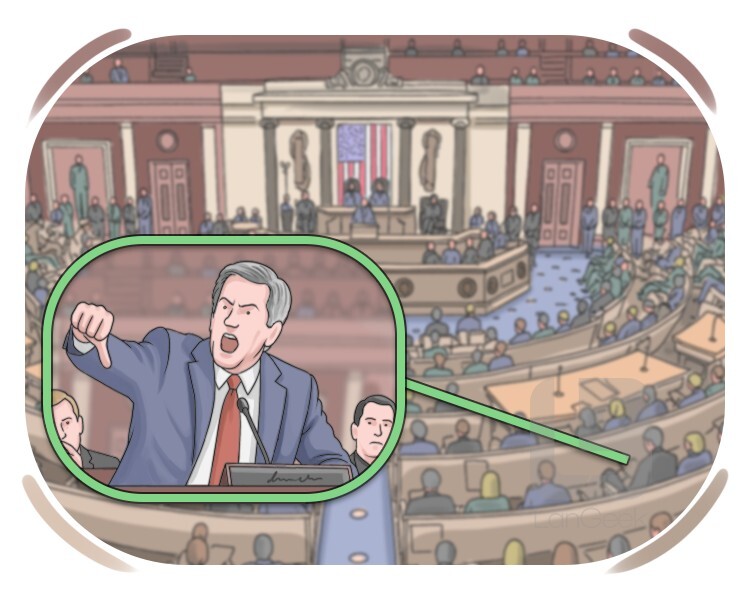
to strongly disagree with a policy, plan, idea, etc. and try to prevent or change it
Transitive: to oppose a plan or idea
Grammatical Information
Composition
Simple
Action verb
Regular
Present tense
oppose
3rd person singular
opposes
Present participle
opposing
Past simple
opposed
Past participle
opposed
Examples
The local residents opposed the construction of the new factory due to environmental concerns.
02
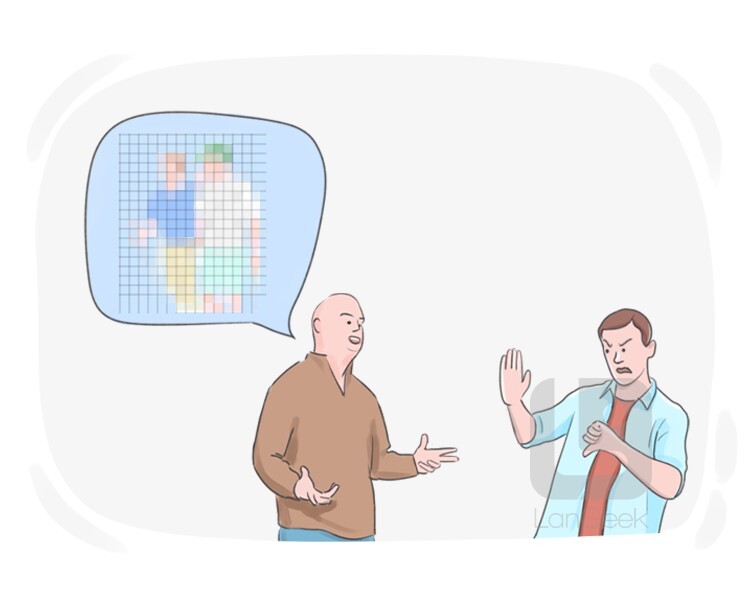
to firmly resist something
Transitive: to oppose a regulation
Examples
The workers opposed the safety changes, pushing back against the new regulations.
03
to place something against another thing in order to create a contrast, balance, or counterbalance
Transitive: to oppose effect of something
Examples
The dark colors of the walls oppose the bright furniture, creating a striking contrast.
04
to engage in a contest or competition with someone, aiming to defeat them
Transitive: to oppose a rival
Examples
He had to oppose his toughest rival in the final round of the tournament.
05
to counter or raise something or someone against another
Transitive: to oppose sth
Examples
The lawyer opposed the defendant's argument by presenting new evidence.
LanGeek
Download Our Mobile App

Lexical Tree
opposable
opposed
opposer
oppose

