

Keresés
Válassza ki a szótár nyelvét





























stale
01
állott, friss
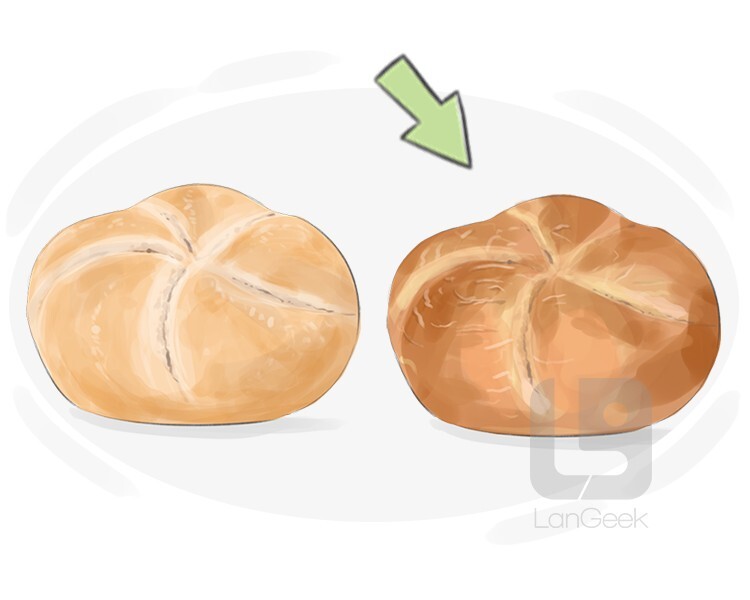
(of food, particularly cake and bread) not fresh anymore, due to exposure to air or prolonged storage
nyelvtani információk
morfológiai összetétel
egyszerű
minőségi
felsőfok
stalest
középfok
staler
fokozható
témakör
food, quality, time
Példák
The bread became stale after sitting out on the counter for several days.
A kenyér megkeményedett, miután több napig a pulton állt.
Példák
The party's playlist felt stale, with the same songs played repeatedly throughout the night.
A buli lejátszási listája elavultnak tűnt, ugyanazokkal a dalokkal, amelyek egész éjjel ismétlődtek.
2.1
lejárt, elavult
no longer valid or useful because it has not been acted on in time
Példák
The company rejected the stale application because it was submitted after the deadline.
A cég elutasította az elavult jelentkezést, mert a határidő után nyújtották be.
Példák
The room smelled of stale air after being closed for hours.
A szobában álló levegő szaga volt órákig zárva tartás után.
Példák
After years of handling the same projects, he felt stale and disconnected from his work.
Évekig ugyanazokon a projekteken dolgozva kimerültnek és elszakadtnak érezte magát a munkájától.
to stale
01
vizel, pisil
to urinate, especially used when referring to an animal, particularly a horse
nyelvtani információk
morfológiai összetétel
egyszerű
cselekvést jelentő ige
szabályos
jelen idő
stale
egyes szám 3. személy
stales
folyamatos melléknévi igenév
staling
egyszerű múlt
staled
befejezett melléknévi igenév
staled
Példák
The horse staled by the roadside during the ride.
A ló vizelt az út szélén a lovaglás alatt.
02
megavul, elveszíti a frissességét
to make something no longer fresh, often due to neglect or lack of use
Transitive
Példák
The warm weather staled the bread, making it lose its freshness.
A meleg idő megkönnyítette a kenyeret, ami elveszítette frissességét.
03
megszárad, elveszíti frissességét
to lose freshness and become dry over time
Intransitive
Példák
The bread staled overnight after being left uncovered.
A kenyér megkeményedett egy éjszaka alatt, miután fedetlenül hagyták.
LanGeek
Töltse le mobilalkalmazásunkat

Lexikai Fa
staleness
stale

