






























stale
01
신선하지 않은, 오래된
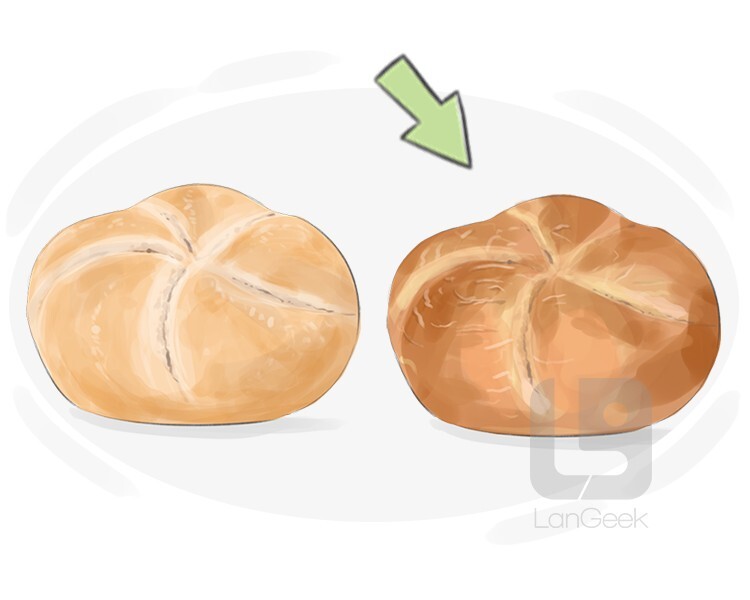
(of food, particularly cake and bread) not fresh anymore, due to exposure to air or prolonged storage
문법 정보
형태적 구성
단순어
성질형
최상급
stalest
비교급
staler
등급화 가능
분야
food, quality, time
예시들
The bread became stale after sitting out on the counter for several days.
빵이 여러 날 동안 카운터에 놓여 있다가 딱딱해졌다.
예시들
The party's playlist felt stale, with the same songs played repeatedly throughout the night.
파티의 플레이리스트는 진부한 느낌이 들었고, 같은 노래들이 밤새 반복적으로 재생되었습니다.
2.1
만료된, 낡은
no longer valid or useful because it has not been acted on in time
예시들
The company rejected the stale application because it was submitted after the deadline.
회사는 마감일 이후에 제출되었기 때문에 만료된 신청을 거부했습니다.
예시들
The room smelled of stale air after being closed for hours.
방은 몇 시간 동안 닫힌 후 탁한 공기 냄새가 났다.
to stale
01
오줌 누다, 소변을 보다
to urinate, especially used when referring to an animal, particularly a horse
문법 정보
형태적 구성
단순어
동작 동사
규칙
현재 시제
stale
3인칭 단수
stales
현재분사
staling
단순 과거
staled
과거분사
staled
예시들
The horse staled by the roadside during the ride.
말이 타는 동안 길가에서 소변을 보았다.
02
신선하지 않게 하다, 신선함을 잃다
to make something no longer fresh, often due to neglect or lack of use
Transitive
예시들
The warm weather staled the bread, making it lose its freshness.
따뜻한 날씨가 빵을 딱딱하게 만들어 신선함을 잃게 했습니다.
03
신선함을 잃다, 말라 비틀어지다
to lose freshness and become dry over time
Intransitive
예시들
The bread staled overnight after being left uncovered.
빵은 덮개 없이 방치된 후 하룻밤 사이에 딱딱해졌다.
LanGeek
모바일 앱 다운로드

어휘 나무
staleness
stale

