dry
dry
draÉĒ
drai
/draÉĒ/

āχāĻ‚āϰ⧇āϜāĻŋāϤ⧇ "dry"āĻāϰ āϏāĻ‚āĻœā§āĻžāĻž āĻ“ āĻ…āĻ°ā§āĻĨ

01

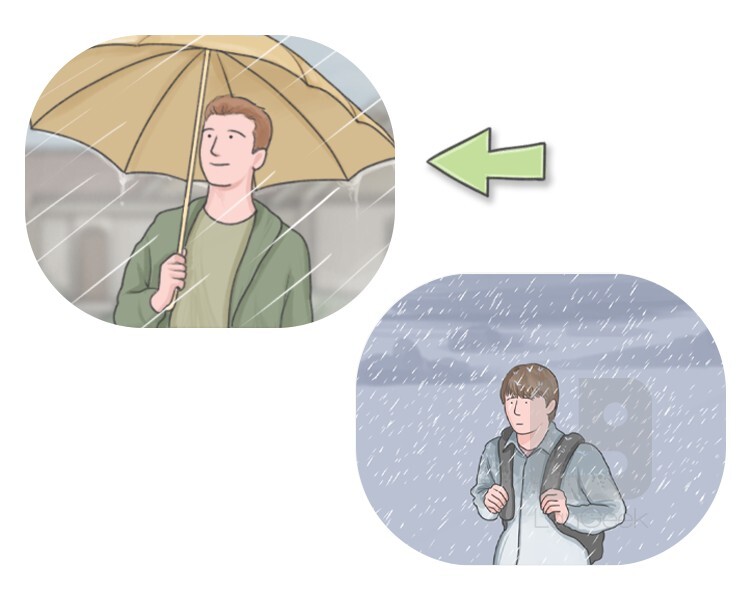
āĻļ⧁āĻˇā§āĻ•, āύāĻŋāϰāϏ

lacking moisture or liquid
dry definition and meaning
āωāĻĻāĻžāĻšāϰāĻŖ
The desert sand was dry and coarse beneath their feet.
āĻŽāϰ⧁āĻ­ā§‚āĻŽāĻŋāϰ āĻŦāĻžāϞāĻŋ āϤāĻžāĻĻ⧇āϰ āĻĒāĻžāϝāĻŧ⧇āϰ āύāĻŋāĻšā§‡ āĻļ⧁āĻ•āύ⧋ āĻāĻŦāĻ‚ āĻ–āĻĄāĻŧāĻ–āĻĄāĻŧ⧇ āĻ›āĻŋāϞāĨ¤
02

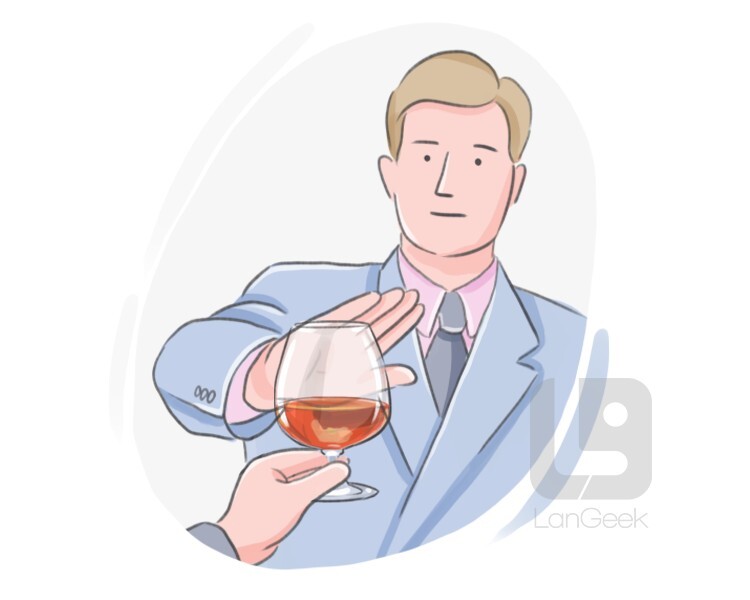
āĻŽāĻĻā§āϝāĻĒāĻžāύ āύāĻž āĻ•āϰāĻž, āϏāĻ‚āϝāĻŽā§€

(of a person) choosing not to consume alcohol
dry definition and meaning
āωāĻĻāĻžāĻšāϰāĻŖ
She has been dry for over a year and finds joy in socializing without alcohol.
āϏ⧇ āĻāĻ• āĻŦāĻ›āϰ⧇āϰāĻ“ āĻŦ⧇āĻļāĻŋ āϏāĻŽāϝāĻŧ āϧāϰ⧇ āĻŽāĻĻā§āϝāĻĒāĻžāύ āĻĨ⧇āϕ⧇ āĻŦāĻŋāϰāϤ āφāϛ⧇ āĻāĻŦāĻ‚ āĻ…ā§āϝāĻžāϞāϕ⧋āĻšāϞ āĻ›āĻžāĻĄāĻŧāĻž āϏāĻžāĻŽāĻžāϜāĻŋāϕ⧀āĻ•āϰāϪ⧇ āφāύāĻ¨ā§āĻĻ āϖ⧁āρāĻœā§‡ āĻĒāĻžāϝāĻŧāĨ¤
03

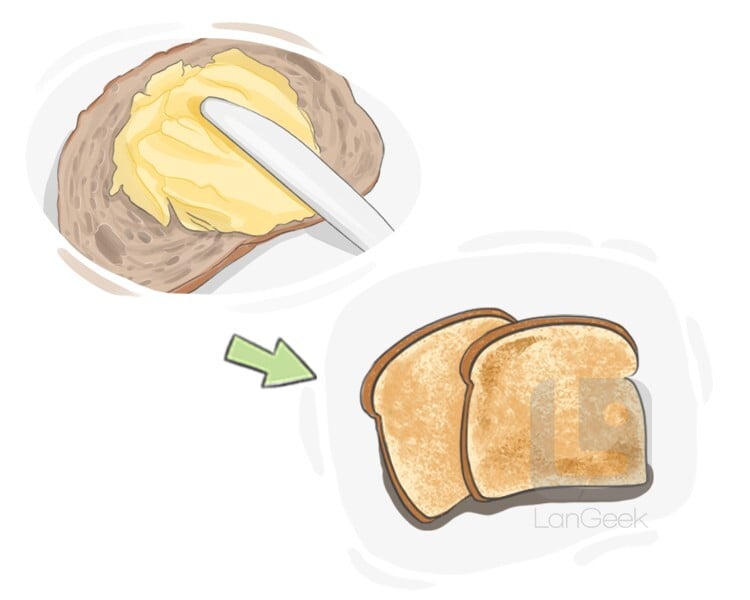
āĻļ⧁āĻ•āύ⧋, āĻ•āĻŋāϛ⧁ āĻ›āĻžāĻĄāĻŧāĻž

(of toast or bread) eaten without any jam, butter, etc. spread on it
dry definition and meaning
āωāĻĻāĻžāĻšāϰāĻŖ
The dry bread was served alongside the soup, allowing the flavors to shine through.
āĻ¸ā§āϝ⧁āĻĒ⧇āϰ āĻĒāĻžāĻļ⧇ āĻļ⧁āĻ•āύ⧋ āϰ⧁āϟāĻŋ āĻĒāϰāĻŋāĻŦ⧇āĻļāύ āĻ•āϰāĻž āĻšāϝāĻŧ⧇āĻ›āĻŋāϞ, āϝāĻžāϰ āĻĢāϞ⧇ āĻ¸ā§āĻŦāĻžāĻĻāϗ⧁āϞāĻŋ āωāĻœā§āĻœā§āĻŦāϞ āĻšāϝāĻŧ⧇ āωāϠ⧇āĻ›āĻŋāϞāĨ¤
04

āĻļ⧁āĻˇā§āĻ•, āĻŦā§āϝāĻ™ā§āĻ—āĻžāĻ¤ā§āĻŽāĻ•

(of humor) characterized by a subtle, understated, or serious delivery
āωāĻĻāĻžāĻšāϰāĻŖ
She has a talent for dry humor, often making jokes that are more amusing for their subtlety.
āϤāĻžāϰ āĻļ⧁āĻˇā§āĻ• āĻšāĻžāĻ¸ā§āϝāϰāϏ⧇āϰ āĻĒā§āϰāϤāĻŋāĻ­āĻž āφāϛ⧇, āĻĒā§āϰāĻžāϝāĻŧāχ āĻāĻŽāύ āĻŽāϜāĻž āĻ•āϰ⧇ āϝāĻž āϤāĻžāĻĻ⧇āϰ āϏ⧂āĻ•ā§āĻˇā§āĻŽāϤāĻžāϰ āϜāĻ¨ā§āϝ āφāϰāĻ“ āĻŽāϜāĻžāĻĻāĻžāϰāĨ¤
05

āĻļ⧁āĻ•āύ⧋, āĻĻ⧁āϧ āωāĻ¤ā§āĻĒāĻžāĻĻāύ āĻ•āϰ⧇ āύāĻž

(of an animal) not currently producing milk
āωāĻĻāĻžāĻšāϰāĻŖ
A dry goat can signal the end of its lactation cycle and readiness for the next phase.
āĻāĻ•āϟāĻŋ āĻļ⧁āĻ•āύ⧋ āĻ›āĻžāĻ—āϞ āϤāĻžāϰ āĻĻ⧁āĻ—ā§āϧāĻĻāĻžāύ āϚāĻ•ā§āϰ⧇āϰ āϏāĻŽāĻžāĻĒā§āϤāĻŋ āĻāĻŦāĻ‚ āĻĒāϰāĻŦāĻ°ā§āϤ⧀ āĻĒāĻ°ā§āϝāĻžāϝāĻŧ⧇āϰ āϜāĻ¨ā§āϝ āĻĒā§āϰāĻ¸ā§āϤ⧁āϤāĻŋāϰ āϏāĻ‚āϕ⧇āϤ āĻĻāĻŋāϤ⧇ āĻĒāĻžāϰ⧇āĨ¤
06

āĻļ⧁āĻˇā§āĻ•, āĻŽāĻŋāĻˇā§āϟāĻŋāĻšā§€āύ

(of alcohol, especially wine) having little to no sweetness
āωāĻĻāĻžāĻšāϰāĻŖ
The dry champagne had crisp flavors, making it a perfect choice for celebrations.
āĻļ⧁āĻˇā§āĻ• āĻļā§āϝāĻžāĻŽā§āĻĒ⧇āύ⧇āϰ āĻ•ā§āϰāĻŋāĻ¸ā§āĻĒ āĻ¸ā§āĻŦāĻžāĻĻ āĻ›āĻŋāϞ, āϝāĻž āĻāϟāĻŋāϕ⧇ āωāĻĻāϝāĻžāĻĒāύ⧇āϰ āϜāĻ¨ā§āϝ āĻāĻ•āϟāĻŋ āύāĻŋāϖ⧁āρāϤ āĻĒāĻ›āĻ¨ā§āĻĻ āĻ•āϰ⧇ āϤ⧁āϞ⧇āĻ›āĻŋāϞāĨ¤
07

āĻļ⧁āĻ•āύ⧋, āĻļ⧁āĻˇā§āĻ•

(of paint or ink) having lost moisture
āωāĻĻāĻžāĻšāϰāĻŖ
He tested the surface to ensure the ink was dry before handling the paper.
āĻ•āĻžāĻ—āϜāϟāĻŋ āĻšā§āϝāĻžāĻ¨ā§āĻĄā§‡āϞ āĻ•āϰāĻžāϰ āφāϗ⧇ āϤāĻŋāύāĻŋ āύāĻŋāĻļā§āϚāĻŋāϤ āĻ•āϰāϤ⧇ āĻĒ⧃āĻˇā§āĻ āϟāĻŋ āĻĒāϰ⧀āĻ•ā§āώāĻž āĻ•āϰ⧇āĻ›āĻŋāϞ⧇āύ āϝ⧇ āĻ•āĻžāϞāĻŋ āĻļ⧁āĻ•āύ⧋ āĻ›āĻŋāϞāĨ¤
08

āĻļ⧁āĻˇā§āĻ•, āĻ­āĻžāĻŦāύāĻžāĻšā§€āύ

lacking emotion or enthusiasm
āωāĻĻāĻžāĻšāϰāĻŖ
She maintained a dry tone throughout the presentation, focusing solely on the facts.
āϤāĻŋāύāĻŋ āωāĻĒāĻ¸ā§āĻĨāĻžāĻĒāύāĻž āϜ⧁āĻĄāĻŧ⧇ āĻāĻ•āϟāĻŋ āĻļ⧁āĻˇā§āĻ• āĻ¸ā§āĻŦāϰ āĻŦāϜāĻžāϝāĻŧ āϰ⧇āϖ⧇āĻ›āĻŋāϞ⧇āύ, āĻļ⧁āϧ⧁āĻŽāĻžāĻ¤ā§āϰ āϤāĻĨā§āϝ⧇āϰ āωāĻĒāϰ āĻĢā§‹āĻ•āĻžāϏ āĻ•āϰ⧇āĻ›āĻŋāϞ⧇āύāĨ¤
09

āĻŦāĻŋāϰāĻ•ā§āϤāĻŋāĻ•āϰ, āĻāĻ•āĻ˜ā§‡āϝāĻŧ⧇

lacking excitement or stimulation
āωāĻĻāĻžāĻšāϰāĻŖ
He found the movie's plot dry, with no compelling characters to engage him.
āϤāĻŋāύāĻŋ āϚāϞāĻšā§āϚāĻŋāĻ¤ā§āϰ⧇āϰ āĻĒā§āϞāϟāϟāĻŋ āĻļ⧁āĻˇā§āĻ• āĻŦāϞ⧇ āĻŽāύ⧇ āĻ•āϰ⧇āϛ⧇āύ, āϤāĻžāϕ⧇ āϜāĻĄāĻŧāĻŋāϤ āĻ•āϰāĻžāϰ āĻŽāϤ⧋ āϕ⧋āύāĻ“ āφāĻ•āĻ°ā§āώāĻŖā§€āϝāĻŧ āϚāϰāĻŋāĻ¤ā§āϰ āύ⧇āχāĨ¤
10

āĻļ⧁āĻˇā§āĻ•, āϏāĻžāĻĻāĻžāϏāĻŋāϧāĻž

lacking decoration or ornamental features
āωāĻĻāĻžāĻšāϰāĻŖ
The room had a dry aesthetic, featuring minimal furniture and neutral colors.
āϘāϰāϟāĻŋāϤ⧇ āĻāĻ•āϟāĻŋ āĻļ⧁āĻˇā§āĻ• āύāĻžāĻ¨ā§āĻĻāύāĻŋāĻ•āϤāĻž āĻ›āĻŋāϞ, āϝ⧇āĻ–āĻžāύ⧇ āĻ¨ā§āϝ⧂āύāϤāĻŽ āφāϏāĻŦāĻžāĻŦāĻĒāĻ¤ā§āϰ āĻāĻŦāĻ‚ āύāĻŋāϰāĻĒ⧇āĻ•ā§āώ āϰāĻ™ āĻ›āĻŋāϞāĨ¤
11

āϤ⧃āĻˇā§āĻŖāĻžāĻ°ā§āϤ, āĻļ⧁āĻˇā§āĻ•

(of a person) feeling thirsty or in need of hydration
āωāĻĻāĻžāĻšāϰāĻŖ
Her throat was dry from speaking all day, prompting her to drink more water.
āϏāĻžāϰāĻž āĻĻāĻŋāύ āĻ•āĻĨāĻž āĻŦāϞāĻžāϰ āĻĢāϞ⧇ āϤāĻžāϰ āĻ—āϞāĻž āĻļ⧁āĻ•āύ⧋ āĻšāϝāĻŧ⧇ āĻ—āĻŋāϝāĻŧ⧇āĻ›āĻŋāϞ, āϝāĻž āϤāĻžāϕ⧇ āφāϰāĻ“ āϜāϞ āĻĒāĻžāύ āĻ•āϰāϤ⧇ āĻĒā§āϰāϰ⧋āϚāĻŋāϤ āĻ•āϰ⧇āĻ›āĻŋāϞāĨ¤
12

āĻļ⧁āĻ•āύ⧋, āύāĻŋāĻ°ā§āĻŦā§€āϜ

(of sources or bodies of water) empty of water due to insufficient rainfall or other causes
āωāĻĻāĻžāĻšāϰāĻŖ
In summer, the lake often becomes dry, leaving behind only cracked mud.
āĻ—ā§āϰ⧀āĻˇā§āĻŽāĻ•āĻžāϞ⧇, āĻšā§āϰāĻĻāϟāĻŋ āĻĒā§āϰāĻžāϝāĻŧāĻļāχ āĻļ⧁āĻ•āĻŋāϝāĻŧ⧇ āϝāĻžāϝāĻŧ, āĻļ⧁āϧ⧁ āĻĢāĻžāϟāĻž āĻ•āĻžāĻĻāĻž āĻĒāĻŋāĻ›āύ⧇ āϰ⧇āϖ⧇āĨ¤
13

āĻļ⧁āĻˇā§āĻ•

(of weather) characterized by a lack of precipitation
āωāĻĻāĻžāĻšāϰāĻŖ
In the dry season, many regions experience significant drops in humidity.
āĻļ⧁āĻˇā§āĻ• āĻŽā§ŒāϏ⧁āĻŽā§‡, āĻ…āύ⧇āĻ• āĻ…āĻžā§āϚāϞ⧇ āφāĻ°ā§āĻĻā§āϰāϤāĻž āωāĻ˛ā§āϞ⧇āĻ–āϝ⧋āĻ—ā§āϝāĻ­āĻžāĻŦ⧇ āĻ•āĻŽā§‡ āϝāĻžāϝāĻŧāĨ¤
01

āĻļ⧁āĻ•āĻžāύ⧋, āĻŽā§āϛ⧇ āĻĢ⧇āϞāĻž

to take out the liquid from something in a way that it is not wet anymore
Transitive: to dry sth
to dry definition and meaning
āωāĻĻāĻžāĻšāϰāĻŖ
He used a hairdryer to quickly dry the paint on the wall.
āϤāĻŋāύāĻŋ āĻĻā§āϰ⧁āϤ āĻĻ⧇āϝāĻŧāĻžāϞ⧇āϰ āϰāĻ‚ āĻļ⧁āĻ•āĻžāύ⧋āϰ āϜāĻ¨ā§āϝ āĻāĻ•āϟāĻŋ āĻšā§‡āϝāĻŧāĻžāϰ āĻĄā§āϰāĻžāϝāĻŧāĻžāϰ āĻŦā§āϝāĻŦāĻšāĻžāϰ āĻ•āϰ⧇āĻ›āĻŋāϞ⧇āύāĨ¤
02

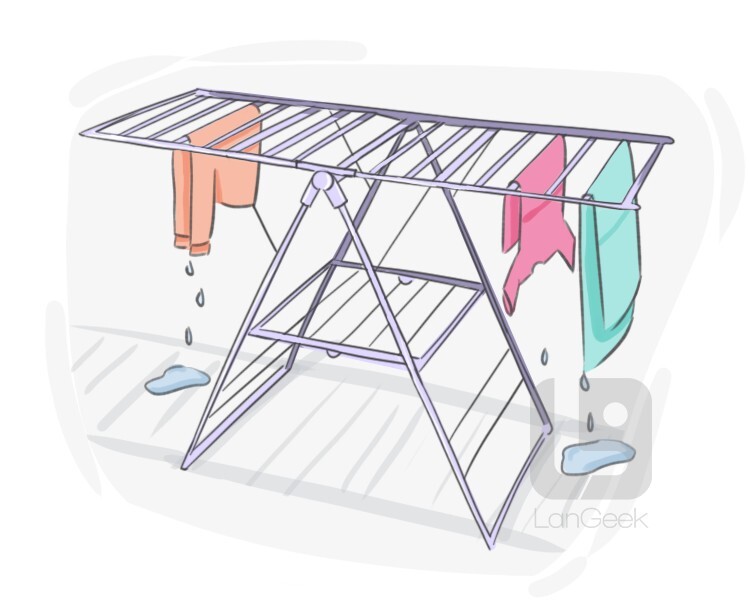
āĻļ⧁āĻ•āĻžāύ⧋, āĻļ⧁āĻ•āĻŋāϝāĻŧ⧇ āϝāĻžāĻ“āϝāĻŧāĻž

to lose wetness, by being exposed to heat or air
Intransitive
to dry definition and meaning
āωāĻĻāĻžāĻšāϰāĻŖ
As the sun came out, the muddy footprints began to dry on the porch.
āϏ⧂āĻ°ā§āϝ āĻŦ⧇āϰ āĻšāĻ“āϝāĻŧāĻžāϰ āϏāĻžāĻĨ⧇ āϏāĻžāĻĨ⧇ āĻŦāĻžāϰāĻžāĻ¨ā§āĻĻāĻžāϝāĻŧ āĻ•āĻžāĻĻāĻžāϰ āĻĒāĻžāϝāĻŧ⧇āϰ āĻ›āĻžāĻĒ āĻļ⧁āĻ•āĻŋāϝāĻŧ⧇ āϝ⧇āϤ⧇ āĻļ⧁āϰ⧁ āĻ•āϰ⧇āĨ¤
03

āĻļ⧁āĻ•āĻžāύ⧋, āĻļ⧁āĻˇā§āĻ• āĻ•āϰāĻž

to remove moisture from something, such as food or flowers, to preserve it, typically by exposing them to air, heat, or both
Transitive: to dry natural materials
āωāĻĻāĻžāĻšāϰāĻŖ
To dry fruits, slice them thinly and place them in a dehydrator or oven on low heat.
āĻĢāϞ āĻļ⧁āĻ•āĻžāύ⧋āϰ āϜāĻ¨ā§āϝ, āϏ⧇āϗ⧁āϞ⧋āϕ⧇ āĻĒāĻžāϤāϞāĻž āĻ•āϰ⧇ āϕ⧇āĻŸā§‡ āĻĄāĻŋāĻšāĻžāχāĻĄā§āϰ⧇āϟāϰ āĻŦāĻž āĻ“āϭ⧇āύ⧇ āĻ•āĻŽ āϤāĻžāĻĒ⧇ āϰāĻžāϖ⧁āύāĨ¤
04

āĻļ⧁āĻ•āĻžāύ⧋, āĻļ⧁āĻˇā§āĻ• āĻ•āϰāĻž

(of fruits, flowers, etc.) to lose moisture and become dry through preservation methods
Intransitive
āωāĻĻāĻžāĻšāϰāĻŖ
Fruits dry best when thinly sliced and placed in a dehydrator or oven.
āĻĢāϞāϗ⧁āϞāĻŋ āϏāĻŦāĻšā§‡āϝāĻŧ⧇ āĻ­āĻžāϞ⧋āĻ­āĻžāĻŦ⧇ āĻļ⧁āĻ•āĻžāϝāĻŧ āϝāĻ–āύ āϏ⧇āϗ⧁āϞāĻŋāϕ⧇ āĻĒāĻžāϤāϞāĻž āĻ•āϰ⧇ āϕ⧇āĻŸā§‡ āĻĄāĻŋāĻšāĻžāχāĻĄā§āϰ⧇āϟāϰ āĻŦāĻž āĻ“āϭ⧇āύ⧇ āϰāĻžāĻ–āĻž āĻšāϝāĻŧāĨ¤
05

āϭ⧁āϞ⧇ āϝāĻžāĻ“āϝāĻŧāĻž, āϜāĻŽā§‡ āϝāĻžāĻ“āϝāĻŧāĻž

to forget one's lines or actions during a performance
Intransitive
āωāĻĻāĻžāĻšāϰāĻŖ
The actor admitted he had a moment of panic when he dried in front of the audience.
āĻ…āĻ­āĻŋāύ⧇āϤāĻž āĻ¸ā§āĻŦā§€āĻ•āĻžāϰ āĻ•āϰ⧇āĻ›āĻŋāϞ⧇āύ āϝ⧇ āϤāĻŋāύāĻŋ āĻĻāĻ°ā§āĻļāĻ•āĻĻ⧇āϰ āϏāĻžāĻŽāύ⧇ āϞāĻžāχāύ āϭ⧁āϞ⧇ āϗ⧇āϞ⧇ āĻāĻ•āϟāĻŋ āφāϤāĻ™ā§āϕ⧇āϰ āĻŽā§āĻšā§‚āĻ°ā§āϤ āĻ…āύ⧁āĻ­āĻŦ āĻ•āϰ⧇āĻ›āĻŋāϞ⧇āύāĨ¤
01

āĻļ⧁āĻˇā§āĻ•āϤāĻž, āĻ–āϰāĻž

the condition of lacking moisture
āωāĻĻāĻžāĻšāϰāĻŖ
The region faced a severe dry that threatened local agriculture.
āĻ…āĻžā§āϚāϞāϟāĻŋ āĻāĻ•āϟāĻŋ āϗ⧁āϰ⧁āϤāϰ āĻ–āϰāĻžāϰ āϏāĻŽā§āĻŽā§āĻ–ā§€āύ āĻšāϝāĻŧ⧇āĻ›āĻŋāϞ āϝāĻž āĻ¸ā§āĻĨāĻžāύ⧀āϝāĻŧ āĻ•ā§ƒāώāĻŋāϕ⧇ āĻšā§āĻŽāĻ•āĻŋāϰ āĻŽā§āϖ⧇ āĻĢ⧇āϞ⧇āĻ›āĻŋāϞāĨ¤
02

āĻ–āϰāĻž, āĻļ⧁āĻˇā§āĻ• āϏāĻŽāϝāĻŧ

a period characterized by little or no rainfall
āωāĻĻāĻžāĻšāϰāĻŖ
Many animals migrate during the dry in search of water sources.
āϜāϞ⧇āϰ āĻ‰ā§ŽāϏ⧇āϰ āϏāĻ¨ā§āϧāĻžāύ⧇ āĻ…āύ⧇āĻ• āĻĒā§āϰāĻžāĻŖā§€ āĻ–āϰāĻžāĻ•āĻžāϞ⧇ āĻ¸ā§āĻĨāĻžāύāĻžāĻ¨ā§āϤāϰāĻŋāϤ āĻšāϝāĻŧāĨ¤

āĻļāĻŦā§āĻĻāϤāĻžāĻ¤ā§āĻ¤ā§āĻŦāĻŋāĻ• āĻ—āĻžāĻ›

drily
dryly
dryness
dry
App
LanGeek
āĻ…ā§āϝāĻžāĻĒ āĻĄāĻžāωāύāϞ⧋āĻĄ āĻ•āϰ⧁āύ