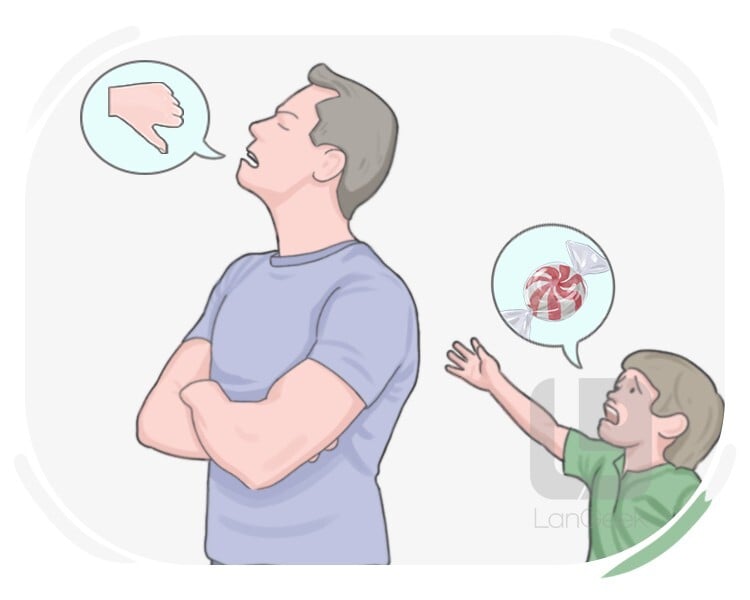
reject
re
rÉĒ
ri
ject
ˈʤɛkt
jekt
/rÉĒˈdʒɛkt/

āχāĻ‚āϰ⧇āϜāĻŋāϤ⧇ "reject"āĻāϰ āϏāĻ‚āĻœā§āĻžāĻž āĻ“ āĻ…āĻ°ā§āĻĨ

01

āĻĒā§āϰāĻ¤ā§āϝāĻžāĻ–ā§āϝāĻžāύ āĻ•āϰāĻž, āĻ…āĻ¸ā§āĻŦā§€āĻ•āĻžāϰ āĻ•āϰāĻž

to refuse to accept a proposal, idea, person, etc.

no

Transitive: to reject a proposal or idea
to reject definition and meaning
āωāĻĻāĻžāĻšāϰāĻŖ
I had to reject the job offer due to the low salary.
āφāĻŽāĻžāϕ⧇ āĻ•āĻŽ āĻŦ⧇āϤāύ⧇āϰ āĻ•āĻžāϰāϪ⧇ āϚāĻžāĻ•āϰāĻŋāϰ āĻĒā§āϰāĻ¸ā§āϤāĻžāĻŦ āĻĒā§āϰāĻ¤ā§āϝāĻžāĻ–ā§āϝāĻžāύ āĻ•āϰāϤ⧇ āĻšāϝāĻŧ⧇āĻ›āĻŋāϞāĨ¤
02

āĻĒā§āϰāĻ¤ā§āϝāĻžāĻ–ā§āϝāĻžāύ āĻ•āϰāĻž, āĻ—ā§āϰāĻšāĻŖ āύāĻž āĻ•āϰāĻž

to show an immune response and not accept a new organ in the body
Transitive: to reject a transplanted organ
āωāĻĻāĻžāĻšāϰāĻŖ
Despite initial success, the recipient 's immune system eventually started to reject the new heart.
āĻĒā§āϰāĻžāĻĨāĻŽāĻŋāĻ• āϏāĻžāĻĢāĻ˛ā§āϝ āϏāĻ¤ā§āĻ¤ā§āĻŦ⧇āĻ“, āĻ—ā§āϰāĻšā§€āϤāĻžāϰ āχāĻŽāĻŋāωāύ āϏāĻŋāĻ¸ā§āĻŸā§‡āĻŽ āĻ…āĻŦāĻļ⧇āώ⧇ āύāϤ⧁āύ āĻšā§ƒāĻĻāϝāĻŧ āĻĒā§āϰāĻ¤ā§āϝāĻžāĻ–ā§āϝāĻžāύ āĻļ⧁āϰ⧁ āĻ•āϰ⧇āĻ›āĻŋāϞāĨ¤
03

āĻĒā§āϰāĻ¤ā§āϝāĻžāĻ–ā§āϝāĻžāύ āĻ•āϰāĻž, āĻ…āĻ¸ā§āĻŦā§€āĻ•āĻžāϰ āĻ•āϰāĻž

to refuse to believe in or abide by the rules, principles, or norms of a particular system, ideology, or belief structure
Transitive: to reject a belief system or its norms
āωāĻĻāĻžāĻšāϰāĻŖ
The rebel group decided to reject the government's authority and establish their own independent state.
āĻŦāĻŋāĻĻā§āϰ⧋āĻšā§€ āĻĻāϞāϟāĻŋ āϏāϰāĻ•āĻžāϰ⧇āϰ āĻ•āĻ°ā§āϤ⧃āĻ¤ā§āĻŦ āĻĒā§āϰāĻ¤ā§āϝāĻžāĻ–ā§āϝāĻžāύ āĻ•āϰ⧇ āϤāĻžāĻĻ⧇āϰ āύāĻŋāϜāĻ¸ā§āĻŦ āĻ¸ā§āĻŦāĻžāϧ⧀āύ āϰāĻžāĻˇā§āĻŸā§āϰ āĻĒā§āϰāϤāĻŋāĻˇā§āĻ āĻž āĻ•āϰāĻžāϰ āϏāĻŋāĻĻā§āϧāĻžāĻ¨ā§āϤ āύāĻŋāϝāĻŧ⧇āϛ⧇āĨ¤
04

āĻĒā§āϰāĻ¤ā§āϝāĻžāĻ–ā§āϝāĻžāύ āĻ•āϰāĻž, āĻĒāϰāĻŋāĻ¤ā§āϝāĻžāĻ— āĻ•āϰāĻž

to fail to provide enough affection or care to a person or animal
Transitive: to reject sb/sth
āωāĻĻāĻžāĻšāϰāĻŖ
Children can be deeply affected when parents reject them emotionally.
āĻĒāĻŋāϤāĻžāĻŽāĻžāϤāĻž āϝāĻ–āύ āϏāĻ¨ā§āϤāĻžāύāĻĻ⧇āϰ āφāĻŦ⧇āĻ—āĻĒā§‚āĻ°ā§āĻŖāĻ­āĻžāĻŦ⧇ āĻĒā§āϰāĻ¤ā§āϝāĻžāĻ–ā§āϝāĻžāύ āĻ•āϰ⧇ āϤāĻ–āύ āĻļāĻŋāĻļ⧁āϰāĻž āĻ—āĻ­ā§€āϰāĻ­āĻžāĻŦ⧇ āĻĒā§āϰāĻ­āĻžāĻŦāĻŋāϤ āĻšāϤ⧇ āĻĒāĻžāϰ⧇āĨ¤
05

āĻĒā§āϰāĻ¤ā§āϝāĻžāĻ–ā§āϝāĻžāύ āĻ•āϰāĻž, āĻŦāĻžāϤāĻŋāϞ āĻ•āϰāĻž

to dismiss or decide against using or distributing something
Transitive: to reject a work or product
āωāĻĻāĻžāĻšāϰāĻŖ
The factory had to reject a batch of products due to defects in manufacturing.
āĻ•āĻžāϰāĻ–āĻžāύāĻžāϟāĻŋāϕ⧇ āωāĻ¤ā§āĻĒāĻžāĻĻāύ⧇ āĻ¤ā§āϰ⧁āϟāĻŋāϰ āĻ•āĻžāϰāϪ⧇ āĻĒāĻŖā§āϝ⧇āϰ āĻāĻ•āϟāĻŋ āĻŦā§āϝāĻžāϚ āĻĒā§āϰāĻ¤ā§āϝāĻžāĻ–ā§āϝāĻžāύ āĻ•āϰāϤ⧇ āĻšāϝāĻŧ⧇āĻ›āĻŋāϞāĨ¤
06

āĻĒā§āϰāĻ¤ā§āϝāĻžāĻ–ā§āϝāĻžāύ āĻ•āϰāĻž, āĻŦāĻžāϤāĻŋāϞ āĻ•āϰāĻž

to decline or turn down someone's application or request for a specific opportunity or position
Transitive: to reject a candidate or applicant
āωāĻĻāĻžāĻšāϰāĻŖ
She felt disappointed when they rejected her for the promotion she had been aiming for.
āϤāĻŋāύāĻŋ āϝāĻ–āύ āϤāĻžāϕ⧇ āϞāĻ•ā§āĻˇā§āϝ āĻ•āϰāĻž āĻĒāĻĻā§‹āĻ¨ā§āύāϤāĻŋāϰ āϜāĻ¨ā§āϝ āĻĒā§āϰāĻ¤ā§āϝāĻžāĻ–ā§āϝāĻžāύ āĻ•āϰ⧇āĻ›āĻŋāϞ⧇āύ āϤāĻ–āύ āϤāĻŋāύāĻŋ āĻšāϤāĻžāĻļ āĻŦā§‹āϧ āĻ•āϰ⧇āĻ›āĻŋāϞ⧇āύāĨ¤
01

āĻĒā§āϰāĻ¤ā§āϝāĻžāĻ–ā§āϝāĻžāϤ, āĻ…āĻĒāĻĻāĻžāĻ°ā§āĻĨ

the person or thing that is rejected or set aside as inferior in quality

āĻļāĻŦā§āĻĻāϤāĻžāĻ¤ā§āĻ¤ā§āĻŦāĻŋāĻ• āĻ—āĻžāĻ›

rejected
rejection
rejective
reject
App
āύāĻŋāĻ•āϟāĻŦāĻ°ā§āϤ⧀ āĻļāĻŦā§āĻĻ
LanGeek
āĻ…ā§āϝāĻžāĻĒ āĻĄāĻžāωāύāϞ⧋āĻĄ āĻ•āϰ⧁āύ