






























Exit
01
出口
a way that enables someone to get out of a room, building, or a vehicle of large capacity

语法信息
有生性状态
无生命
形态构成
简单词
可数
singular
not gender specific
复数形式
exits
例子
In case of an emergency, please locate the nearest exit and follow the evacuation signs.
在紧急情况下,请找到最近的出口并遵循疏散标志。
02
出口, 出路
a part of a road through which vehicles can move on to another

例子
She took the exit to the city center to reach her destination.
她走了通往市中心的出口以到达目的地。
2.1
出口, 交汇处
(New Jersey) a way of giving directions or identifying location by referencing a highway or turnpike exit number
例子
He said he's from Exit 9 on the Turnpike.
他说他来自收费公路的出口9。
03
退场, 离开舞台
the act of leaving the stage by an actor
例子
The actor made a dramatic exit at the end of the scene.
演员在场景结束时做了一个戏剧性的退场。
04
出口
the act of going out or leaving a place
例子
She made a quick exit from the meeting room when the fire alarm sounded.
当火警警报响起时,她迅速从会议室退出。
05
离世, 逝世
the act of leaving life
委婉
例子
His sudden exit shocked the entire community.
他突如其来的离世震惊了整个社区。
to exit
01
离开, 退出
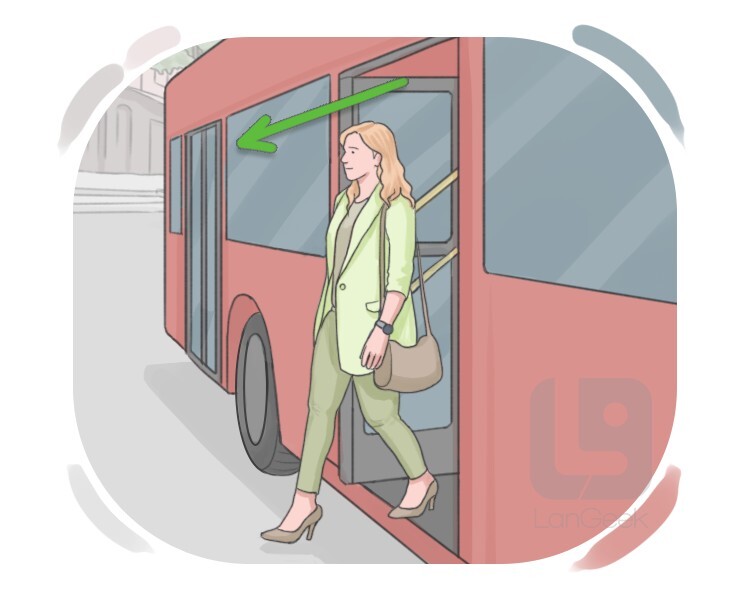
to leave a place, vehicle, etc.
Transitive: to exit a place or vehicle
语法信息
形态构成
简单词
运动动词
规则
现在时
exit
第三人称单数
exits
现在分词
exiting
一般过去时
exited
过去分词
exited
例子
After the movie ended, the audience began to exit the theater.
电影结束后,观众开始离开剧院。
02
离开, 去世
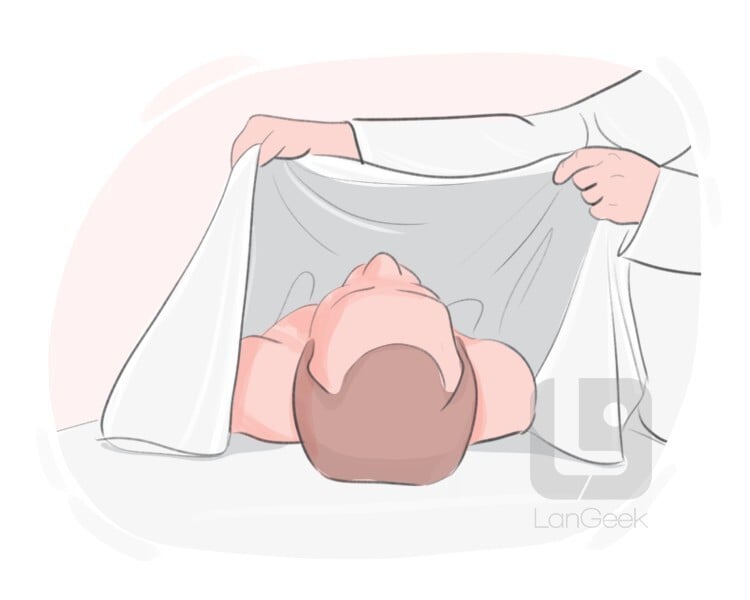
to die or pass away
Intransitive
例子
After a long battle with illness, the elderly man peacefully exited surrounded by his loved ones.
在与疾病进行了长时间的斗争后,这位老人在亲人的陪伴下安详地离世了。
03
退出, 失去优势
to withdraw or fall behind in a competition, race, or contest, losing a previously held advantageous position
Transitive: to exit a position or competition
例子
The candidate's controversial statement caused him to quickly exit the lead position in the polls.
候选人有争议的声明使他迅速退出了民意调查的领先位置。


