






























Subject
01
主題, 話題
someone or something that is being described, discussed, or dealt with
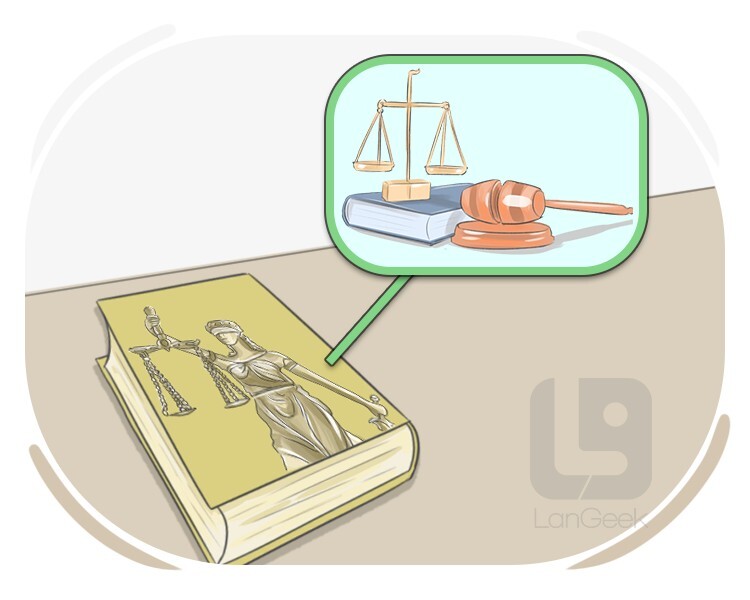
文法情報
有生性の状態
抽象的
形態的構成
複合語
可算
singular
not gender specific
複数形
subjects
例
The main subject of today's lecture is the French Revolution.
今日の講義の主なテーマはフランス革命です。
02
科目, 学問分野
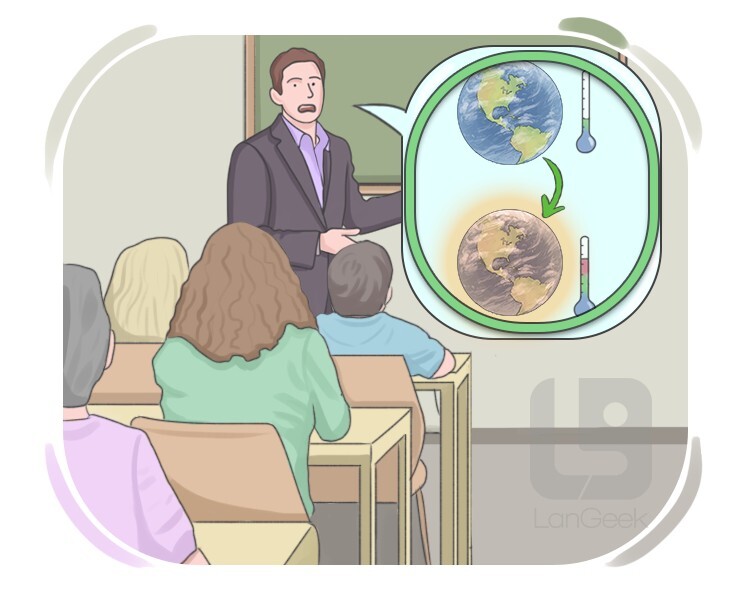
a branch or an area of knowledge that we study at a school, college, or university
例
At university, Jane specialized in the subject of linguistics, studying various languages and their structures.
大学で、ジェーンは言語学の科目を専門とし、さまざまな言語とその構造を研究しました。
03
被写体, 主題
a person, object, or scene chosen as the focus for artistic or photographic representation
例
The painter chose a rural landscape as her subject.
画家は田舎の風景を主題として選びました。
04
主語, 文法的主語
(grammar) the noun, pronoun, or entity that performs the action or is described in a sentence
例
In "The dog barked," the dog is the subject.
「犬が吠えた」という文では、犬が主語です。
05
臣民, 国民
a person who is under the rule or authority of a monarch, government, or leader
例
The king's subjects admired him for his wisdom.
王の臣民は彼の知恵を称賛した。
06
被験者, 参加者
someone or something on which a study or experiment is performed
例
The subjects in the clinical trial were closely monitored for any adverse effects of the new medication.
臨床試験の被験者は、新薬の副作用について綿密に監視されました。
07
主語, 主題
the first term of a proposition, about which something is asserted
例
The subject of the proposition is what the claim refers to.
命題の主語は、主張が参照するものです。
to subject
01
さらす
to make someone experience something unpleasant
Ditransitive: to subject sb/sth to something unpleasant
文法情報
形態的構成
派生語
動作動詞
規則的
現在時制
subject
三人称単数
subjects
現在分詞
subjecting
単純過去
subjected
過去分詞
subjected
例
The strict policies of the company subjected employees to intense scrutiny, leading to a tense work environment.
会社の厳格な方針により、従業員は厳しい監視にさらされ、緊張した職場環境が生まれた。
02
従属させる, 支配する
to assert dominance or control over a person, group, or nation
Transitive: to subject a group or region
例
Throughout history, powerful empires sought to subject weaker nations.
歴史を通じて、強力な帝国は弱い国々を支配しようとしました。
subject
01
影響を受けやすい, さらされている
likely to be influenced, affected, or exposed to something
文法情報
形態的構成
単純語
関係形容詞
程度表現不可
分野
condition, vulnerability, exposure
例
Areas near the coast are subject to flooding.
海岸付近の地域は洪水の 影響を受けやすい。
02
従属する, 支配下にある
under the authority, control, or sovereignty of another
例
The villagers were subject to the king's rule.
村人たちは王の支配に従属していました。
03
従属する, 条件付きの
possibly dependent on, accepting, or allowing something to happen
例
The plan is subject to approval by management.
計画は経営陣による承認にかかっている。
LanGeek
モバイルアプリをダウンロード

語彙ツリー
subjective
subject

