






























to repel
01
撃退する, 追い払う
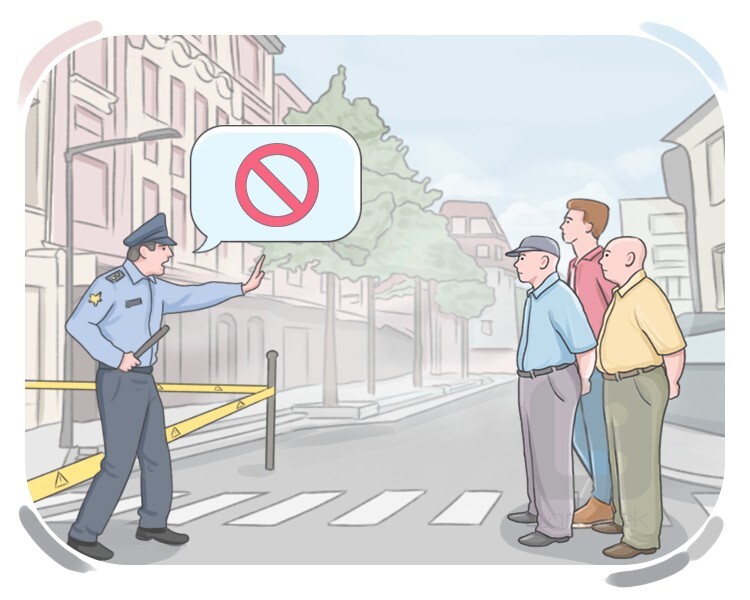
to push away or cause something or someone to retreat or withdraw
Transitive: to repel sth
例
The goalkeeper managed to repel every attempt at scoring during the match.
ゴールキーパーは試合中に得点しようとする全ての試みをはねのけることができた。
02
撃退する, 嫌悪感を引き起こす
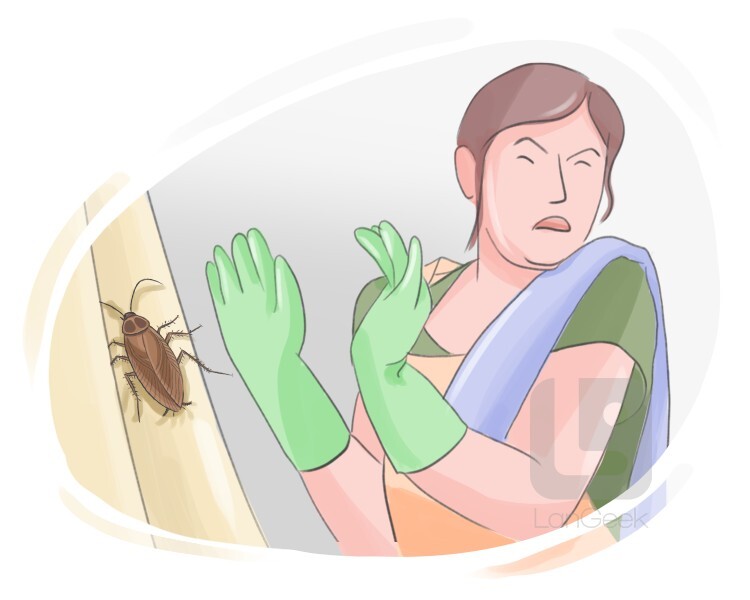
to cause someone to feel a strong dislike or aversion towards something
Transitive: to repel sb
例
The foul smell of the garbage repels visitors to the alley.
ゴミの悪臭が路地の訪問者を遠ざける。
03
反発する, 遠ざける
(of magnetic or electric fields) to force something with a similar charge or magnetic polarity away from itself
Transitive: to repel a charged particle
文法情報
形態的構成
単純語
動作動詞
規則的
現在時制
repel
三人称単数
repels
現在分詞
repelling
単純過去
repelled
過去分詞
repelled
例
The two magnets repelled each other with great force when their like poles faced each other.
同じ極が向き合ったとき、2つの磁石は非常に強い力で互いを反発しました。
04
拒絶する, 退ける
to reject or dismiss something, especially an idea, argument, or theory
Transitive: to repel an idea or theory
例
The scientist repelled the hypothesis, arguing that the evidence did not support it.
科学者は、証拠がそれを支持していないと主張して、仮説を退けました。
05
嫌悪感を引き起こす, 不快感を与える
to cause a feeling of aversion or dislike
Intransitive
例
The bitter taste of the medicine repelled, making it hard to finish the dose.
薬の苦い味が嫌悪感を引き起こし、服用を終えるのが難しくなった。
LanGeek
モバイルアプリをダウンロード

語彙ツリー
repellent
repelling
repel

