Hledat
Vyberte jazyk slovníku
to have
Příklady
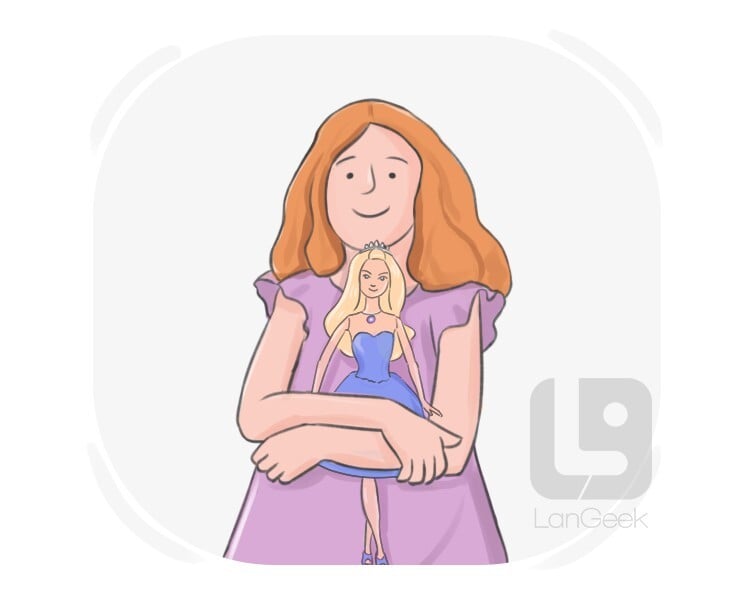
I have a collection of antique coins that I inherited from my grandfather.
Mám sbírku starožitných mincí, kterou jsem zdědil po dědečkovi.
They used to have a beach house.
Mívali plážový dům.
1.1
mít, dostat
to get or receive something
Transitive: to have sth
Příklady
Waiter, can I have the menu, please?
Číšníku, mohu dostat jídelní lístek, prosím?
Can I have your email address for the registration?
Mohu mít vaši e-mailovou adresu pro registraci?
1.2
mít, vlastnit
used to indicate the relationships between people, as in family members, friends, or acquaintances
Transitive: to have a family or acquaintance
Příklady
Do you have a coworker named Johnson?
Máte kolegu jménem Johnson?
She's got four aunts and two uncles.
Ona má čtyři tety a dva strýce.
1.3
mít, vlastnit
to possess a feature or quality
Transitive: to have a quality or feature
Příklady
She has a remarkable talent for playing the violin.
Ona má pozoruhodný talent na hraní na housle.
He has a great sense of humor that lightens the mood.
Má skvělý smysl pro humor, který zlepšuje náladu.
1.4
přijímat, hostit
to receive someone as a guest
Transitive: to have | to have for a meal
Příklady
I 'm having a few friends for brunch; would you like to join us?
Pozval jsem pár přátel na brunch; chtěl by ses k nám připojit?
They had us for dinner at their new place.
Pozvali nás na večeři do svého nového bydlení.
1.5
mít, přijmout
to accept or take a particular person for a specific position or role
Transitive: to have sb as a role
Příklady
Who are we going to have as the new project manager?
Koho budeme mít jako nového projektového manažera?
The team is considering who to have as the spokesperson.
Tým uvažuje, koho mít jako mluvčího.
1.6
mít, způsobit
to cause a specific effect on a person or thing
Transitive: to have an impact | to have an impact on sb/sth
Příklady
The speech had a profound impact on the audience, inspiring change.
Projev měl hluboký dopad na publikum, inspiroval změnu.
The new policy has a positive influence on workplace morale.
Nová politika má pozitivní vliv na morálku na pracovišti.
1.7
mít, zahrnovat
to contain or include a specific item, number, or group
Transitive: to have a component or item
Příklady
The conference had 500 attendees from around the world.
Konference měla 500 účastníků z celého světa.
The book has 20 chapters, each exploring a different aspect.
Kniha má 20 kapitol, z nichž každá zkoumá jiný aspekt.
1.8
mít, vlastnit
to possess the ability or opportunity to make use of something that is available
Transitive: to have a resource or opportunity
Příklady
We have no access to the restricted area.
Nemáme přístup do omezené oblasti.
You have only one chance to solve the puzzle.
Máš jen jednu šanci vyřešit hádanku.
1.9
přijmout, vzít si
to accept to marry someone
Transitive: to have sb
Příklady
I 'll gladly have him as my husband if he proposes.
Rád bych ho přijal za manžela, pokud mě požádá o ruku.
He was thrilled when she said she would have him as her husband.
Byl nadšený, když řekla, že si ho vezme za muže.
02
mít, zažít
to undergo or experience something
Transitive: to have a particular experience
Příklady
They had difficulties adjusting to the new city.
Měli potíže přizpůsobit se novému městu.
She had a wonderful experience during her travels.
Měla skvělý zážitek během svých cest.
2.1
mít, trpět
to suffer from a disease, injury, or pain
Transitive: to have a disease
Příklady
She had the flu last week and had to take time off work.
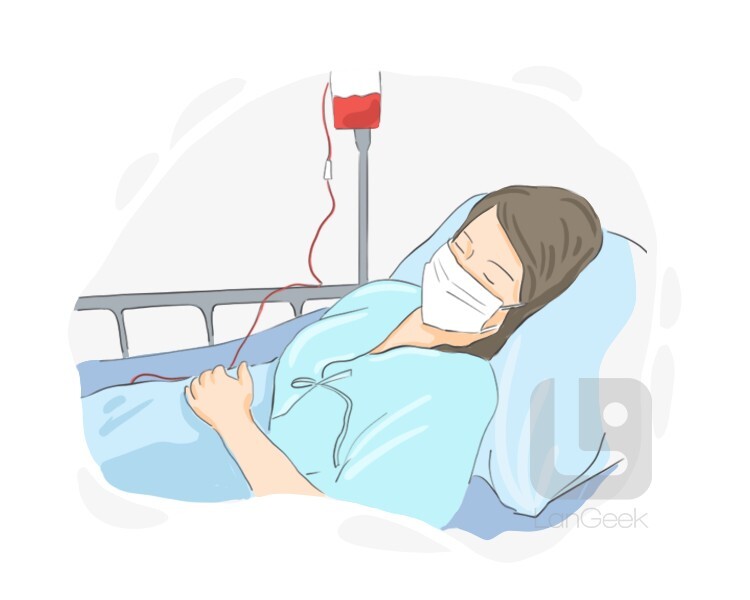
Minulý týden měla chřipku a musela si vzít volno z práce.
Many children had chickenpox before the vaccine became widespread.
Mnoho dětí mělo plané neštovice, než se vakcína rozšířila.
2.2
udělat, mít
to cause someone or something to undergo or experience something
Ditransitive: to have sb/sth doing sth
Příklady
The restaurant has customers waiting for their tables to be cleared.
Restaurace má zákazníky čekající na uklizení jejich stolů.
She has her inbox overflowing with emails from clients.
Ona má svou doručenou poštu přeplněnou e-maily od klientů.
2.3
tolerovat, dovolit
to allow or accept with no complaint
Transitive: to have sth
Ditransitive: to have sb doing sth
Příklady
We ca n't have employees ignoring safety protocols in the workplace.
Nemůžeme mít zaměstnance, kteří ignorují bezpečnostní protokoly na pracovišti.
We 'll have no more of your disruptive behavior in the office.
Nebudeme již tolerovat vaše rušivé chování v kanceláři.
2.4
mít, muset
to be in a position in which one needs or is required to do something
Transitive: to have a task or errand
Příklady
I have a meeting in the morning, so I ca n't stay out too late.
Mám schůzku ráno, takže nemůžu zůstat venku příliš dlouho.
We have a presentation to prepare for next week.
Máme prezentaci, kterou musíme připravit na příští týden.
2.5
podlehnout, mít
to be affected by an action someone else does to one
Complex Transitive: to have sb/sth [adj]
Příklady
He had his car vandalized while it was parked on the street.
Měl své auto vandalizované, když bylo zaparkované na ulici.
The patient had his appendix removed in the emergency surgery.
Pacientovi byl při nouzové operaci odstraněn apendix.
2.6
mít, cítit
to express the occurrence of thoughts, feelings, or ideas in one's mind
Transitive: to have an idea or feeling
Příklady
He had an unsettling suspicion that something was n't quite right.
Měl znepokojující podezření, že něco není úplně v pořádku.
I had a nagging feeling that I had forgotten something important.
Měl jsem neodbytný pocit, že jsem měl něco důležitého zapomenout.
2.7
mít, podvést
to trick someone and make them believe something untrue
Transitive: to have sb
Příklady
I ca n't believe you fell for that story; you 've been had by the con artist.
Nemůžu uvěřit, že jsi na ten příběh skočil; byl jsi podveden podvodníkem.
It 's important to verify information to ensure you 're not being had by misinformation.
Je důležité ověřit informace, abyste se ujistili, že vás dezinformace neoblafnou.
2.8
přimět, mít
to cause someone to react in a certain manner
Complex Transitive: to have sb doing sth
Příklady
They had the audience laughing throughout the performance.
Oni měli publikum smát se po celou dobu představení.
The speaker had the crowd applauding enthusiastically.
Řečník přiměl dav nadšeně tleskat.
2.9
mít, být s
to be with a particular person
Transitive: to have sb with sb
Příklady
He had his family with him at the event.
Měl svou rodinu s sebou na akci.
Do you mind if I have a friend with me for the dinner?
Vadí vám, když si k večeři vezmu přítele?
2.10
udělat, mít
to make someone or something be in a specific state or condition
Complex Transitive: to have sb/sth [adj] | to have sb/sth doing sth
Příklady
The engineer had the machine running smoothly again.
Inženýr zajistil, aby stroj opět běžel hladce.
The chef had the dish seasoned to perfection.
Šéfkuchař měl jídlo dochuceno k dokonalosti.
03
mít, dělat
(dummy verb) to perform an action that is specified by a noun
Transitive: to have sth
Příklady
He had a laugh with his friends at the comedy show.
On se zasmál se svými přáteli na komediální show.
He had a go at solving the challenging puzzle.
Měl pokus vyřešit náročnou hádanku.
3.1
porodit, přivést na svět
to give birth to a baby
Transitive: to have one's child
Příklady
She 's excited to have her first child in a few months.
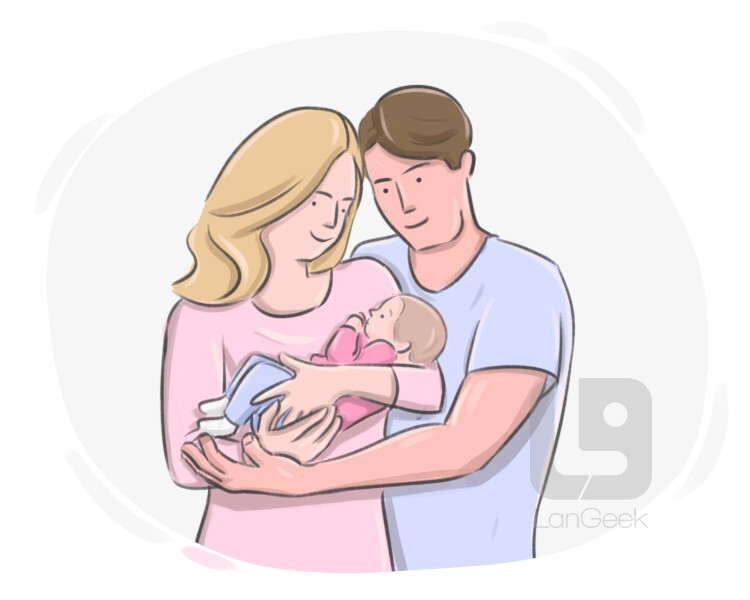
Těší se, že za několik měsíců porodí své první dítě.
The couple had their second child yesterday.
Pár měl včera své druhé dítě.
3.2
přimět k činnosti, požádat někoho
to make someone do a particular task or action by asking or instructing them
Ditransitive: to have sb do sth
Příklady
She had me complete various tasks for her.
Nechala mě pro ni dokončit různé úkoly.
I 'll have Jack guide you to your room.
Požádám Jacka, aby vás dovedl do vašeho pokoje.
3.3
brát, jíst
to eat or drink something
Transitive: to have food or a meal
Příklady
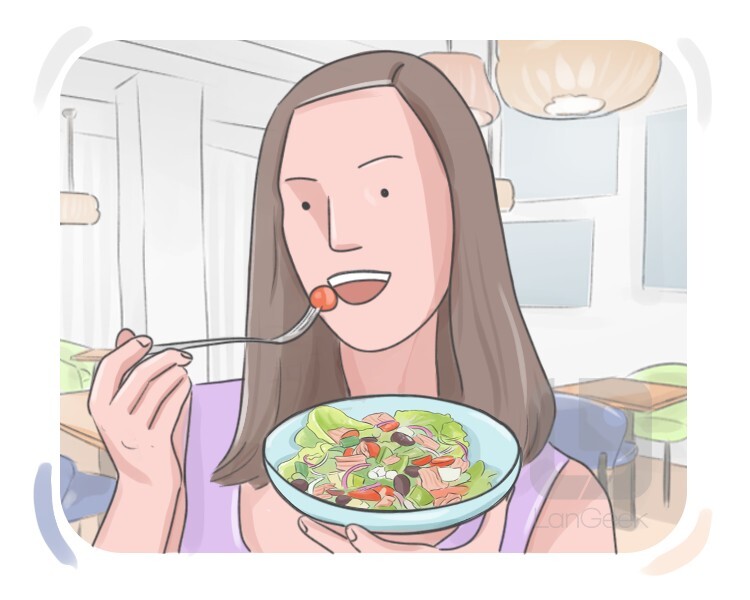
Let 's have breakfast together before we start our day.
Pojďme se společně nasnídat, než začneme náš den.
Would you like to have a cup of tea with me?
Chtěl by sis se mnou vypít šálek čaje?
3.4
šukat, píchat
to have sexual intercourse with someone

Transitive: to have sb
Příklady
She had him on her desk.
Měla ho na svém stole.
He looks like he ’s had lots of men.
Vypadá to, že měl spoustu mužů.
3.5
mít, pořádat
to hold or arrange an event
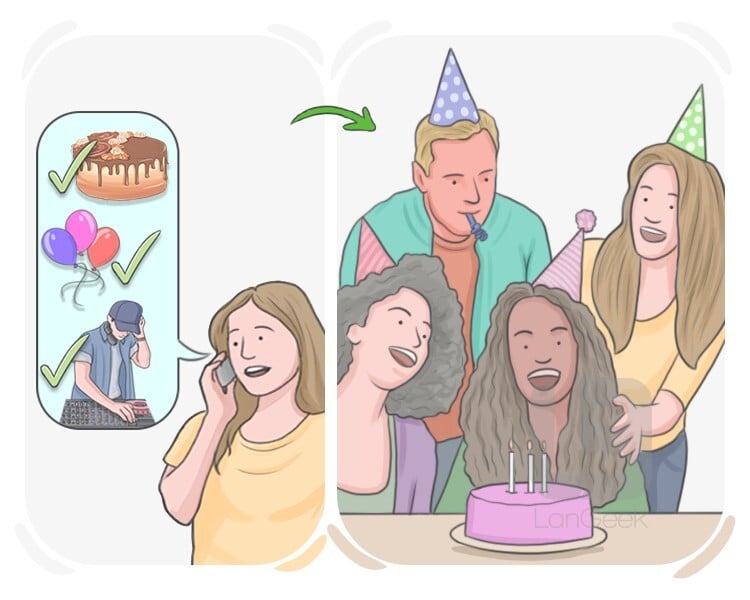
Transitive: to have an event
Příklady
She had a birthday party for her son last weekend.
Minulý víkend uspořádala narozeninovou oslavu pro svého syna.
We 're planning to have a family reunion this summer.
Plánujeme uspořádat rodinné setkání letos v létě.
3.6
mít, dostat do obtížné situace
to make someone be at a position of disadvantage in an argument
Transitive: to have sb
Příklady
Well, you 've got me there. I ca n't argue with that logic.
No, tady jsi mě dostal. S tou logikou nemůžu argumentovat.
I must admit, you have me there — I did n't consider that aspect.
Musím přiznat, že mě tam máš—nepřemýšlel jsem o tom aspektu.
3.7
kouřit, potáhnout
to smoke a tobacco or similar product
Transitive: to have a smoke
Příklady
He had a cigar to celebrate the occasion.
Měl doutník, aby oslavil tuto příležitost.
We had a hookah during the gathering.
Měli jsme vodní dýmku během setkání.
3.8
být těhotná, očekávat dítě
to be pregnant
Transitive: to have a baby
Příklady
She just found out she 's going to have a baby.
Právě zjistila, že bude mít dítě.
They have been trying to have a baby for a while.
Už nějakou dobu se snaží otěhotnět.
3.9
zdřímnout si, odpočinout si
to take a short rest or sleep
Transitive: to have a period of rest
Příklady
After a busy morning, she decided to have a nap to recharge her energy.
Po rušném ránu se rozhodla si zdřímnout, aby dobila energii.
I like to have a lie down in the afternoon to refresh my mind.
Rád se položím odpoledne, abych osvěžil svou mysl.
3.10
mýt se, umýt se
to clean oneself using water
Transitive: to have a shower or bath
Příklady
I need to have a quick wash before heading out.
Potřebuji se rychle umýt, než vyjdu ven.
She has a bath every evening to relax.
Ona se každý večer koupe, aby relaxovala.
3.11
dělat, podniknout
to experience or undertake a travel
Transitive: to have a trip
Příklady
We decided to have a spontaneous road trip to explore the scenic countryside.
Rozhodli jsme se podniknout spontánní cestu, abychom prozkoumali malebný venkov.
She had a thrilling adventure backpacking through the Amazon rainforest.
Měla vzrušující dobrodružství, když prožila backpacking přes amazonský deštný prales.
3.12
mít, vést
to engage in communication with others
Transitive: to have an act of communication | to have an act of communication with sb
Příklady
We decided to have a conversation about our future plans.
Rozhodli jsme se mít rozhovor o našich budoucích plánech.
She had a chat with her friend over a cup of coffee.
Měla rozhovor se svým přítelem u šálku kávy.
3.13
mít, hádat se
to verbally express opposing views or differences with someone
Transitive: to have a disagreement | to have a disagreement with sb
Příklady
They had a heated dispute over the property boundaries.
Měli prudký spor o hranice nemovitosti.
We had a minor argument about who should do the dishes.
Měli jsme malou hádku o tom, kdo by měl umýt nádobí.
04
mít, vlastnit
used for saying that something is in a specific position or state
Complex Transitive: to have sth [adj]
Transitive: to have sth somewhere
Příklady
He had his hands on his hips, waiting for a response.
Měl ruce v bok a čekal na odpověď.
We had the car parked in the shade to avoid the sun.
Měli jsme auto zaparkované ve stínu, abychom se vyhnuli slunci.
4.1
držet, mít
to hold something or someone in a certain way
Transitive: to have sb/sth in a specific manner
Příklady
The security guard had the intruder by the arm, preventing escape.
Ochránce držel vetřelce za ruku a zabránil tak útěku.
She had the misbehaving child by the ear, leading him to the principal's office.
Měla zlobivé dítě za ucho a vedla ho do ředitelny.
05
mít
(auxiliary) used with a past participle in forming perfect tenses
Příklady
I have visited that museum before.
Já jsem to muzeum navštívil dříve.
They have already eaten dinner.
Už se najedli.
06
nechat, objednat
to arrange for something to be done by someone for one
Complex Transitive: to have sth [adj]
Příklady
They 're having their house painted next week.
Příští týden si nechají natřít dům.
I had my computer fixed by a technician.
Nechal jsem technika opravit můj počítač.
07
mít, nosit u sebe
to carry an item with oneself
Transitive: to have sth
Příklady
Do you have a pen I can borrow?
Máš tužku, kterou si mohu půjčit?
Have you got a map of the city with you?
Máš u sebe mapu města ?
08
mít, projevovat
to show kindness or understanding toward someone in a difficult situation
Transitive: to have kindness or mercy on sb | to have empathy for sb
Příklady
May the judge have mercy on your soul during the trial.
Ať soudce má slitování s tvou duší během soudu.
The teacher chose to have pity on the student and overlooked the mistake.
Učitel se rozhodl mít soucit se studentem a přehlédl chybu.
09
získat, dostat
to acquire a favorable result by offering money or incentives, typically in an unethical manner
Příklady
Information about the competitor 's strategy can be had for a price.
Informace o strategii konkurenta lze získat za cenu.
Some officials can be had if you offer the right incentive.
Někteří úředníci mohou být získáni, pokud nabídnete správnou motivaci.
10
účastnit se, dělat
to participate in a physical activity
Transitive: to have a physical activity
Příklady
She 's planning on having a swim at the beach this afternoon.
Plánuje si dnes odpoledne zaplavat na pláži.
Let 's have a hike in the mountains this weekend.
Pojďme tento víkend na túru do hor.
Have
01
vlastník, bohatý
a person who possesses great material wealth