






























to go off
01
爆炸, 发射
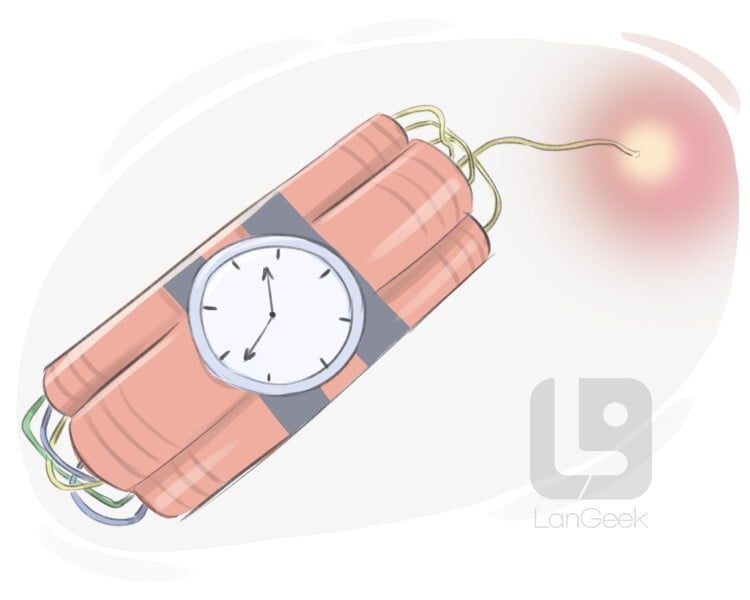
(of a gun, bomb, etc.) to be fired or to explode
Intransitive
语法信息
形态构成
短语
动作动词
规则
不可分离
小品词
off
基本动词
go
现在时
go off
第三人称单数
goes off
现在分词
going off
一般过去时
went off
过去分词
gone off
例子
The fireworks are scheduled to go off at midnight for the New Year's celebration.
烟花计划在午夜时分爆炸以庆祝新年。
02
逃跑, 突然离开
to run away or leave abruptly, especially to avoid an unpleasant situation or person
Intransitive
例子
The deer sensed danger and went off into the woods to escape from the approaching hunters.
鹿感觉到了危险,跑进树林以躲避接近的猎人。
03
启动, 触发
to be activated and start functioning
Intransitive
例子
The car's airbag went off upon impact, protecting the driver.
汽车的安全气囊在撞击时弹出,保护了司机。
04
进行, 发生
to take place or occur in a particular way or manner
Intransitive: to go off in a specific manner
例子
The party went off without a hitch, and everyone had a great time.
派对顺利进行,每个人都玩得很开心。
05
关闭, 停止工作
to stop working or functioning
Intransitive
例子
The power went off during the storm, leaving us in the dark.
暴风雨中电源断了,让我们陷入了黑暗。
06
对...失去兴趣, 不再喜欢
to experience a loss of interest or liking towards someone or something
Dialect British
BritishTransitive: to go off sb/sth
例子
Jenny went off her ex-boyfriend when she discovered he had been dishonest with her.
珍妮发现前男友对她不诚实后,对他失去了兴趣。
07
变质, 变坏
(of food and drinks) to become spoiled or rotten and no longer be safe to consume
Intransitive
例子
The milk went off because I left it out of the refrigerator for too long, and it started to smell sour.
牛奶变质了,因为我把它放在冰箱外太久了,它开始闻起来有酸味。
08
响起, 触发
(of alarms) to start making a lot of noise as a warning or signal
Intransitive
例子
My alarm clock goes off at 6:00 AM sharp every morning.
我的闹钟每天早上6点整响。
09
变坏, 下降
to decline in condition or quality
Intransitive
例子
The once beautiful garden has gone off due to neglect, with overgrown weeds and dying plants.
曾经美丽的花园由于疏忽而衰败,杂草丛生,植物濒临死亡。
10
出发, 离开
to depart from a place, usually for a specific purpose or activity
Intransitive: to go off | to go off somewhere
例子
He went off to buy some groceries.
他出发去买一些杂货。
11
入睡, 进入梦乡
to enter a state of sleep
Intransitive
例子
The baby finally went off after a lullaby and some rocking in the crib.
在摇篮曲和一些摇篮的摇晃之后,婴儿终于睡着了。
12
爆发, 发泄
to express one's anger or irritation toward the person who caused it
Intransitive: to go off on sb
例子
When I mentioned his mistake, he went off on me, shouting and pointing fingers.
当我提到他的错误时,他对我大发雷霆,大喊大叫并指指点点。


