
























ΠΡΠΊΠ°ΡΡ
ΠΡΠ±Π΅ΡΠΈΡΠ΅ ΡΠ·ΡΠΊ ΡΠ»ΠΎΠ²Π°ΡΡ
ΠΡΠ±Π΅ΡΠΈΡΠ΅ ΡΠ²ΠΎΠΉ ΡΠ·ΡΠΊ
standΒ up
/stΛand ΛΚp/
to stand up
[phrase form: stand]
01
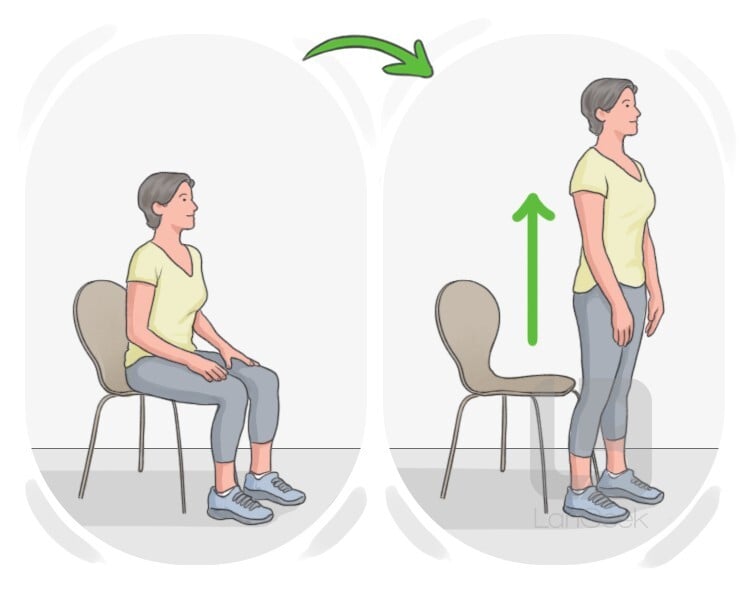
Π²ΡΡΠ°ΡΡ
to rise to a standing position from a seated or lying position
Intransitive
ΠΡΠΈΠΌΠ΅ΡΡ
She stood up when the speaker entered the room.
ΠΠ½Π° Π²ΡΡΠ°Π»Π°, ΠΊΠΎΠ³Π΄Π° Π²Π΅Π΄ΡΡΠΈΠΉ Π²ΠΎΡΠ΅Π» Π² ΠΊΠΎΠΌΠ½Π°ΡΡ.
02
ΠΎΡΡΡΠ°ΠΈΠ²Π°ΡΡ, ΡΡΠΎΡΡΡ Π½Π° ΡΠ²ΠΎΠ΅ΠΌ
to keep one's position or beliefs, especially when facing criticism
Transitive: to stand up one's position or beliefs
ΠΡΠΈΠΌΠ΅ΡΡ
The politician stood up his stance on climate change despite facing opposition from other party members.
ΠΠΎΠ»ΠΈΡΠΈΠΊ ΠΎΡΡΡΠΎΡΠ» ΡΠ²ΠΎΡ ΠΏΠΎΠ·ΠΈΡΠΈΡ ΠΏΠΎ ΠΈΠ·ΠΌΠ΅Π½Π΅Π½ΠΈΡ ΠΊΠ»ΠΈΠΌΠ°ΡΠ°, Π½Π΅ΡΠΌΠΎΡΡΡ Π½Π° ΠΏΡΠΎΡΠΈΠ²ΠΎΠ΄Π΅ΠΉΡΡΠ²ΠΈΠ΅ Π΄ΡΡΠ³ΠΈΡ
ΡΠ»Π΅Π½ΠΎΠ² ΠΏΠ°ΡΡΠΈΠΈ.
03
ΡΠΎΠ·Π΄Π°ΡΡ, ΠΎΡΠ³Π°Π½ΠΈΠ·ΠΎΠ²Π°ΡΡ
to organize a unit so that it can fulfill its duties and responsibilities
Transitive: to stand up an operational unit
ΠΡΠΈΠΌΠ΅ΡΡ
The commanding officer stood up a new special forces unit, ensuring it had trained personnel, necessary equipment, and clear mission objectives.
ΠΠΎΠΌΠ°Π½Π΄ΠΈΡ ΡΡΠΎΡΠΌΠΈΡΠΎΠ²Π°Π» Π½ΠΎΠ²ΠΎΠ΅ ΠΏΠΎΠ΄ΡΠ°Π·Π΄Π΅Π»Π΅Π½ΠΈΠ΅ ΡΠΏΠ΅ΡΠΈΠ°Π»ΡΠ½ΡΡ
ΡΠΈΠ», ΠΎΠ±Π΅ΡΠΏΠ΅ΡΠΈΠ² Π΅Π³ΠΎ ΠΎΠ±ΡΡΠ΅Π½Π½ΡΠΌ ΠΏΠ΅ΡΡΠΎΠ½Π°Π»ΠΎΠΌ, Π½Π΅ΠΎΠ±Ρ
ΠΎΠ΄ΠΈΠΌΡΠΌ ΠΎΠ±ΠΎΡΡΠ΄ΠΎΠ²Π°Π½ΠΈΠ΅ΠΌ ΠΈ ΡΠ΅ΡΠΊΠΈΠΌΠΈ Π·Π°Π΄Π°ΡΠ°ΠΌΠΈ.
04
ΠΏΠΎΠ΄Π½ΠΈΠΌΠ°ΡΡ, ΡΡΠ°Π²ΠΈΡΡ Π²Π΅ΡΡΠΈΠΊΠ°Π»ΡΠ½ΠΎ
to raise something or someone from a lowered position to an upright position
Transitive: to stand up sth
ΠΡΠΈΠΌΠ΅ΡΡ
The workers stood the ladder up against the wall to reach the high shelves.
Π Π°Π±ΠΎΡΠΈΠ΅ ΠΏΠΎΡΡΠ°Π²ΠΈΠ»ΠΈ Π»Π΅ΡΡΠ½ΠΈΡΡ ΠΊ ΡΡΠ΅Π½Π΅, ΡΡΠΎΠ±Ρ Π΄ΠΎΠ±ΡΠ°ΡΡΡΡ Π΄ΠΎ Π²ΡΡΠΎΠΊΠΈΡ
ΠΏΠΎΠ»ΠΎΠΊ.
05
Π²ΡΠ΄Π΅ΡΠΆΠΈΠ²Π°ΡΡ ΠΏΡΠΎΠ²Π΅ΡΠΊΡ, ΠΏΠΎΠ΄ΡΠ²Π΅ΡΠΆΠ΄Π°ΡΡΡΡ
to confirm the truth or validity of something when subjected to close examination
Intransitive
ΠΡΠΈΠΌΠ΅ΡΡ
The historical documents stood up as reliable sources for the events of that time.
ΠΡΡΠΎΡΠΈΡΠ΅ΡΠΊΠΈΠ΅ Π΄ΠΎΠΊΡΠΌΠ΅Π½ΡΡ Π²ΡΠ΄Π΅ΡΠΆΠ°Π»ΠΈ ΠΏΡΠΎΠ²Π΅ΡΠΊΡ Π² ΠΊΠ°ΡΠ΅ΡΡΠ²Π΅ Π½Π°Π΄Π΅ΠΆΠ½ΡΡ
ΠΈΡΡΠΎΡΠ½ΠΈΠΊΠΎΠ² ΡΠΎΠ±ΡΡΠΈΠΉ ΡΠΎΠ³ΠΎ Π²ΡΠ΅ΠΌΠ΅Π½ΠΈ.
06
ΠΎΡΡΠ°Π²ΠΈΡΡ Π² Π΄ΡΡΠ°ΠΊΠ°Ρ , ΠΊΠΈΠ½ΡΡΡ
to fail to appear for a scheduled romantic meeting
Transitive: to stand up sb
ΠΡΠΈΠΌΠ΅ΡΡ
He stood up his date by not showing up at the agreed-upon location.
ΠΠ½ ΠΎΡΡΠ°Π²ΠΈΠ» Π² Π΄ΡΡΠ°ΠΊΠ°Ρ
ΡΠ²ΠΎΡ ΠΏΠ°ΡΡ, Π½Π΅ ΡΠ²ΠΈΠ²ΡΠΈΡΡ Π² ΡΡΠ»ΠΎΠ²Π»Π΅Π½Π½ΠΎΠ΅ ΠΌΠ΅ΡΡΠΎ.
07
ΠΏΡΠΈΠ±Π»ΠΈΠΆΠ°ΡΡΡΡ, ΡΡΠΎΡΡΡ Π±Π»ΠΈΠΆΠ΅ ΠΊ ΠΊΠ°Π»ΠΈΡΠΊΠ°ΠΌ
(of a wicket-keeper in cricket) to move closer to the area behind the batsman to be in a better position to catch the ball, especially when the bowler is delivering the ball
Transitive: to stand up to the stump
ΠΡΠΈΠΌΠ΅ΡΡ
The wicket-keeper's strategy involved standing up to the stumps against the fast bowler to minimize the batsman's reaction time.
Π‘ΡΡΠ°ΡΠ΅Π³ΠΈΡ Π²ΡΠ°ΡΠ°ΡΡ Π²ΠΊΠ»ΡΡΠ°Π»Π° Π² ΡΠ΅Π±Ρ ΡΡΠΎΡΡΡ Π²ΠΏΠ»ΠΎΡΠ½ΡΡ ΠΊ ΠΊΠ°Π»ΠΈΡΠΊΠ°ΠΌ ΠΏΡΠΎΡΠΈΠ² Π±ΡΡΡΡΠΎΠ³ΠΎ Π±ΠΎΡΠ»Π΅ΡΠ°, ΡΡΠΎΠ±Ρ ΠΌΠΈΠ½ΠΈΠΌΠΈΠ·ΠΈΡΠΎΠ²Π°ΡΡ Π²ΡΠ΅ΠΌΡ ΡΠ΅Π°ΠΊΡΠΈΠΈ Π±ΡΡΡΠΌΠ΅Π½Π°.