

Szukaj





























blunt
01
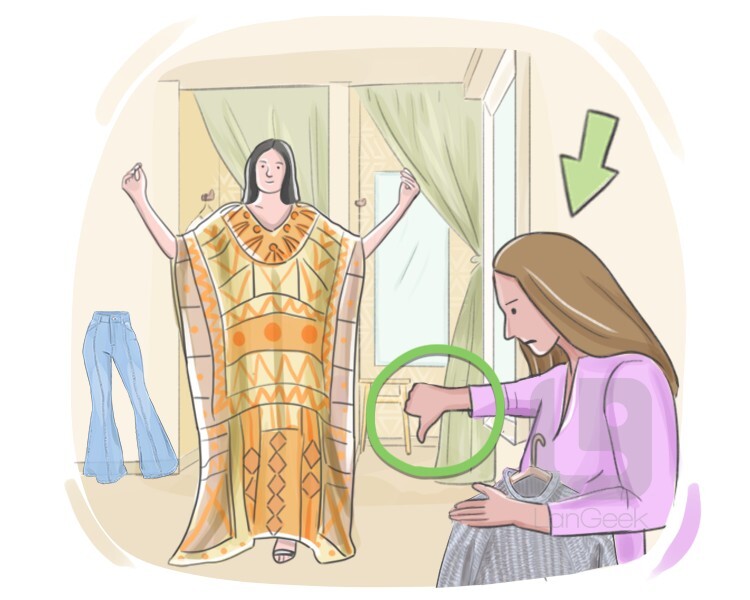
bezpośredni, szczery
having a plain and sometimes harsh way of expressing thoughts or opinions
informacje gramatyczne
budowa morfologiczna
prosty
jakościowy
stopień najwyższy
bluntest
stopień wyższy
blunter
stopniowalne
dziedzina
communication, behavior, personality
Przykłady
Instead of sugarcoating the feedback, she gave a blunt assessment of the project's shortcomings.
Zamiast lukrować opinię, przedstawiła szczerą ocenę niedociągnięć projektu.
02
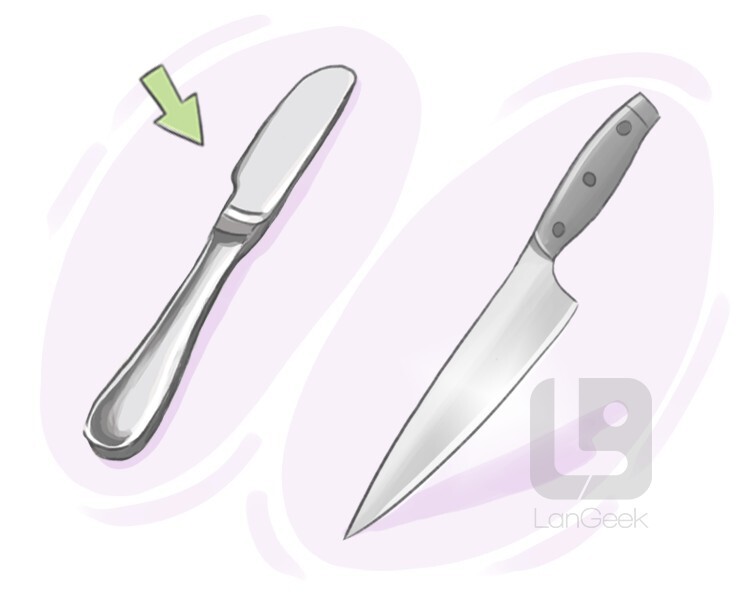
tępy, nieostry
not sharp or having a dull edge, making it ineffective for cutting or piercing
Przykłady
The blunt knife struggled to slice through the tough meat.
Tępy nóż z trudem przecinał twarde mięso.
03
tępy, nieostry
lacking a sharp or pointed edge
Przykłady
The toddler's crayon had a blunt end, making it safe for coloring.
Kredka malucha miała tępe zakończenie, co czyniło ją bezpieczną do kolorowania.
04
bezpośredni, otwarty
devoid of any qualifications or disguise or adornment
to blunt
01
tępić, łagodzić
to make something less strong, forceful, or extreme
informacje gramatyczne
budowa morfologiczna
prosty
czasownik czynnościowy
regularny
czas teraźniejszy
blunt
3. osoba liczby pojedynczej
blunts
imiesłów czynny
blunting
czas przeszły prosty
blunted
imiesłów bierny
blunted
Przykłady
Repetition can blunt the impact of a shocking story.
Powtarzanie może stępić wpływ szokującej historii.
02
tępić, stępiać
to make something less sharp, often referring to an edge or point, resulting in a decreased ability to cut or pierce
Transitive
Przykłady
The chef had to blunt the knife's edge after it became dull from frequent use.
Szef kuchni musiał stępić ostrze noża po tym, jak stało się tępe od częstego użytkowania.
03
stępić, osłabić
to reduce liveliness, force, or energy
Przykłady
The long illness blunted her physical vigor.
Długa choroba stępiła jej fizyczną energię.
04
tępić się, tracić ostrość
to become less sharp or to lose the ability to cut or pierce effectively over time or through use
Intransitive
Przykłady
The knife began to blunt after repeated use on tough meats.
Nóż zaczął tępić się po wielokrotnym użyciu na twardym mięsie.
Blunt
01
blunt, gruby joint
a cigar hollowed out and refilled with marijuana
slangowe
informacje gramatyczne
status żywotności
nieżywotny
budowa morfologiczna
złożenie
policzalny
singular
not gender specific
forma liczby mnogiej
blunts
Przykłady
He rolled a blunt and passed it around the circle.
Zwinął blunta i podał go dookoła kręgu.
LanGeek
Pobierz naszą aplikację mobilną

Drzewo Leksykalne
bluntly
bluntness
blunt

