






























blunt
01
직설적인, 직접적인
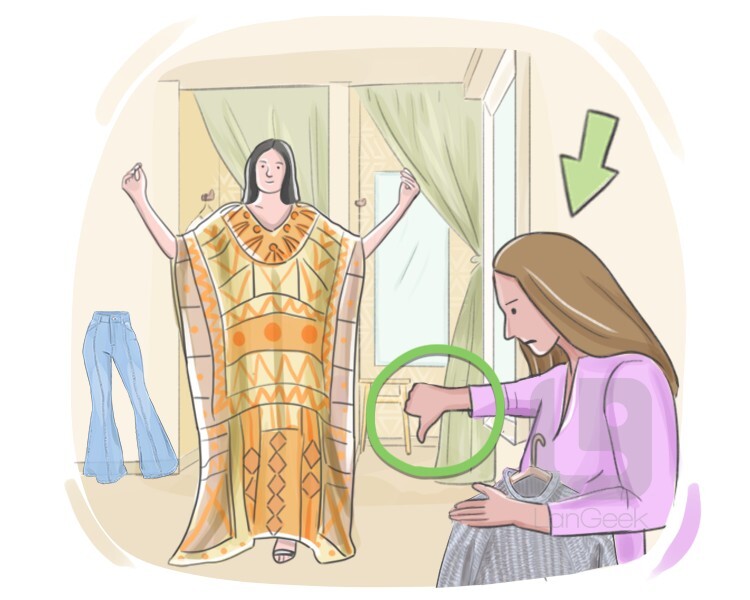
having a plain and sometimes harsh way of expressing thoughts or opinions
문법 정보
형태적 구성
단순어
성질형
최상급
bluntest
비교급
blunter
등급화 가능
분야
communication, behavior, personality
예시들
Instead of sugarcoating the feedback, she gave a blunt assessment of the project's shortcomings.
피드백을 달게 하는 대신, 그녀는 프로젝트의 단점에 대해 직설적인 평가를 내렸다.
02
무딘, 날카롭지 않은
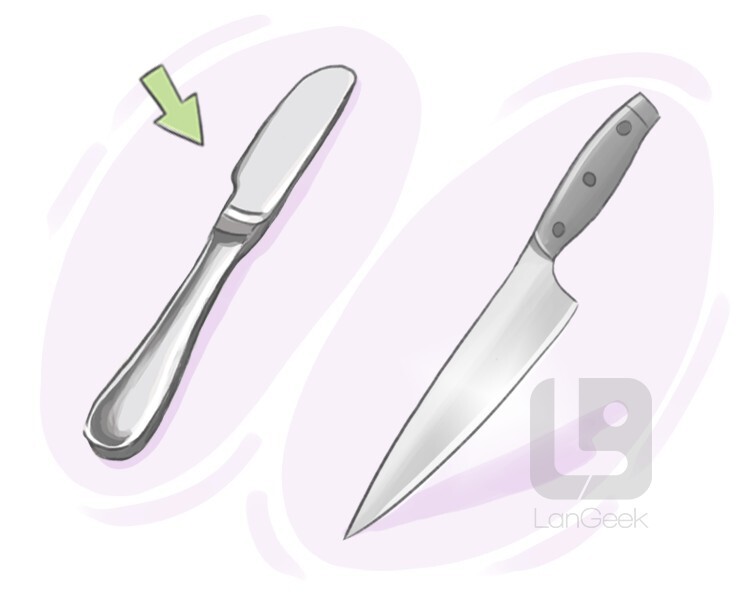
not sharp or having a dull edge, making it ineffective for cutting or piercing
예시들
The blunt knife struggled to slice through the tough meat.
무딘 칼은 질긴 고기를 자르기 위해 고군분투했다.
03
무딘, 날카롭지 않은
lacking a sharp or pointed edge
예시들
The toddler's crayon had a blunt end, making it safe for coloring.
유아의 크레용은 무딘 끝을 가지고 있어 색칠하기에 안전했습니다.
04
직설적인, 꾸밈없는
devoid of any qualifications or disguise or adornment
to blunt
01
무디게 하다, 완화하다
to make something less strong, forceful, or extreme
문법 정보
형태적 구성
단순어
동작 동사
규칙
현재 시제
blunt
3인칭 단수
blunts
현재분사
blunting
단순 과거
blunted
과거분사
blunted
예시들
Repetition can blunt the impact of a shocking story.
반복은 충격적인 이야기의 영향을 무디게 할 수 있습니다.
02
무디게 하다, 날을 무디게 하다
to make something less sharp, often referring to an edge or point, resulting in a decreased ability to cut or pierce
Transitive
예시들
The chef had to blunt the knife's edge after it became dull from frequent use.
셰프는 자주 사용하여 무뎌진 칼날을 무디게 해야 했습니다.
03
무디게 하다, 약화시키다
to reduce liveliness, force, or energy
예시들
The long illness blunted her physical vigor.
오랜 병이 그녀의 신체적 활력을 무디게 했다.
04
무뎌지다, 날카로움을 잃다
to become less sharp or to lose the ability to cut or pierce effectively over time or through use
Intransitive
예시들
The knife began to blunt after repeated use on tough meats.
단단한 고기를 반복해서 자르다 보니 칼이 무뎌지기 시작했다.
Blunt
01
블런트, 두꺼운 대마초 담배
a cigar hollowed out and refilled with marijuana
속어
문법 정보
유생성 상태
무생물
형태적 구성
합성어
가산
singular
not gender specific
복수형
blunts
예시들
He rolled a blunt and passed it around the circle.
그는 블런트를 말아서 원형으로 돌렸습니다.
LanGeek
모바일 앱 다운로드

어휘 나무
bluntly
bluntness
blunt

