






























to go off
01
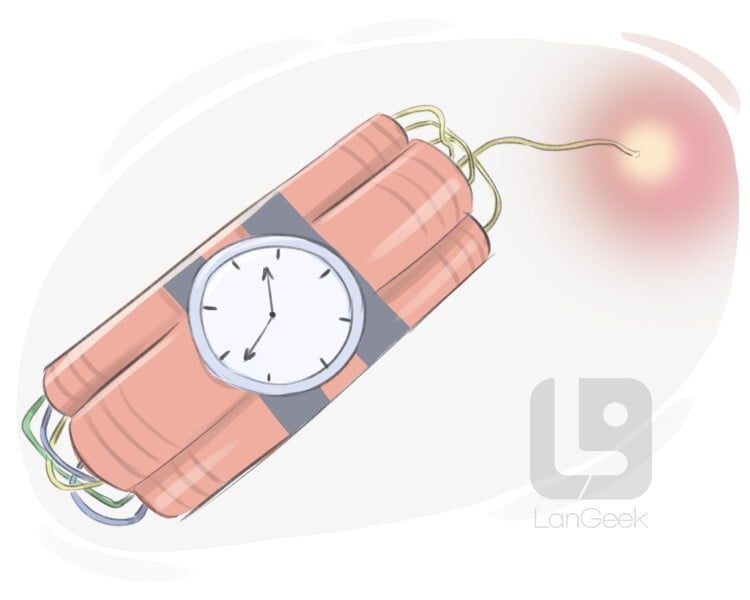
爆発する, 発射する
(of a gun, bomb, etc.) to be fired or to explode
Intransitive
文法情報
形態的構成
句動詞
動作動詞
規則的
分離不可
不変化詞
off
基本動詞
go
現在時制
go off
三人称単数
goes off
現在分詞
going off
単純過去
went off
過去分詞
gone off
例
The fireworks are scheduled to go off at midnight for the New Year's celebration.
花火は新年のお祝いのために真夜中に打ち上げられる予定です。
02
逃げる, 突然去る
to run away or leave abruptly, especially to avoid an unpleasant situation or person
Intransitive
例
The deer sensed danger and went off into the woods to escape from the approaching hunters.
鹿は危険を感じ、近づいてくる狩人から逃れるために森に逃げた。
03
作動する, 発動する
to be activated and start functioning
Intransitive
例
The car's airbag went off upon impact, protecting the driver.
車のエアバッグが衝突時に作動し、運転手を守った。
04
進行する, 起こる
to take place or occur in a particular way or manner
Intransitive: to go off in a specific manner
例
The party went off without a hitch, and everyone had a great time.
パーティーは問題なく進行し、みんなが楽しい時間を過ごしました。
05
消える, 機能しなくなる
to stop working or functioning
Intransitive
例
The power went off during the storm, leaving us in the dark.
嵐の最中に電気が消え、私たちは暗闇に取り残された。
06
興味を失う, 好きではなくなる
to experience a loss of interest or liking towards someone or something
Dialect British
BritishTransitive: to go off sb/sth
例
Jenny went off her ex-boyfriend when she discovered he had been dishonest with her.
ジェニーは元彼が彼女に不誠実だったと知ったとき、彼に興味を失った。
07
腐る, 傷む
(of food and drinks) to become spoiled or rotten and no longer be safe to consume
Intransitive
例
The milk went off because I left it out of the refrigerator for too long, and it started to smell sour.
牛乳は冷蔵庫の外に置きすぎたので腐ってしまい、酸っぱい臭いがし始めました。
08
鳴る, 作動する
(of alarms) to start making a lot of noise as a warning or signal
Intransitive
例
My alarm clock goes off at 6:00 AM sharp every morning.
私の目覚まし時計は毎朝6時ちょうどに鳴ります。
09
悪化する, 低下する
to decline in condition or quality
Intransitive
例
The once beautiful garden has gone off due to neglect, with overgrown weeds and dying plants.
かつて美しかった庭は、手入れ不足で荒れ果て、雑草が生い茂り、植物が枯れかけています。
10
出かける, 立ち去る
to depart from a place, usually for a specific purpose or activity
Intransitive: to go off | to go off somewhere
例
He went off to buy some groceries.
彼は食料品を買いに出かけた。
11
眠りにつく, 眠りに落ちる
to enter a state of sleep
Intransitive
例
The baby finally went off after a lullaby and some rocking in the crib.
子守唄と揺りかごでの少しの揺れの後、赤ちゃんはついに眠りについた。
12
爆発する, 怒りをぶつける
to express one's anger or irritation toward the person who caused it
Intransitive: to go off on sb
例
When I mentioned his mistake, he went off on me, shouting and pointing fingers.
私が彼の間違いに言及したとき、彼は私に怒りを爆発させ、叫びながら指をさしました。


