to stand off
01
距離を保つ, 撃退する
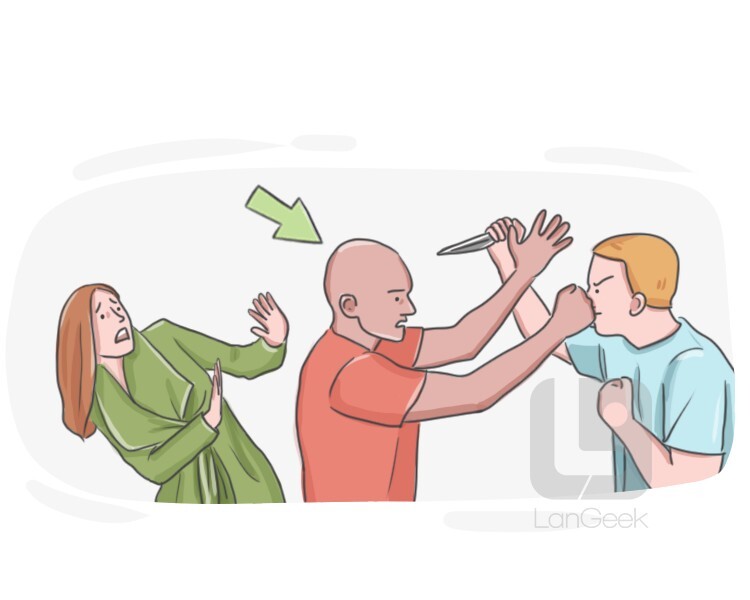
to prevent a potential attacker from approaching by taking on a defensive posture
文法情報
形態的構成
句動詞
動作動詞
規則的
分離可能
不変化詞
off
基本動詞
stand
現在時制
stand off
三人称単数
stands off
現在分詞
standing off
単純過去
stood off
過去分詞
stood off
例
The security guards were trained to stand off any intruders with a strong and assertive presence.
警備員は、強くて断定的な存在感でどんな侵入者も寄せ付けないように訓練されていました。
02
距離を置く, 離れて立つ
to remain at a certain distance away from something or someone
例
As a safety precaution, spectators were instructed to stand off from the racetrack during the car race.
安全対策として、観客はカーレースの間、レーストラックから離れて立つように指示されました。
03
一時解雇する, 仕事から外す
to let go of a worker, whether temporarily or permanently, due to a lack of available work
Dialect British
British例
Due to a sudden decline in orders, the factory had to stand off several workers until production picked up again.
注文の急激な減少により、工場は生産が再び増加するまで何人かの労働者を一時解雇しなければならなかった。
04
離れる, 遠ざかる
to move one's watercraft away from the sea coast
例
As the storm approached, the captain decided to stand off from the coast to ensure the safety of the ship and its crew.
嵐が近づくにつれ、船長は船と乗組員の安全を確保するために海岸から離れることを決めた。