






























sense
英語での「sense」の定義と意味
Sense
01
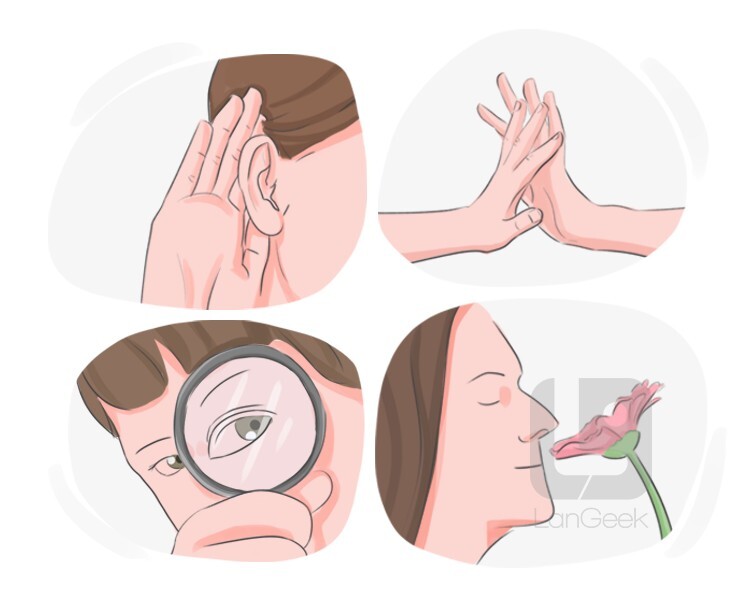
感覚,知覚
any of the five natural abilities of sight, hearing, smell, touch, and taste
perceptionsensory faculty
文法情報
有生性の状態
抽象的
形態的構成
単純語
可算
singular
not gender specific
複数形
senses
例
Sight is a sense that allows us to see the world around us.
02
感覚,意識
an overall, conscious recognition or understanding of a situation, feeling, or environment
awarenessfeeling
例
She had the sense of being a political outsider.
03
意味,意義
the meaning or interpretation of a word, expression, or situation
interpretationmeaning
専門的
例
The word "set" has multiple senses, depending on the context in which it is used.
04
良識,判断
the ability to make sound, practical judgments and decisions
good sensejudgment
例
She demonstrated great sense in handling the crisis calmly and effectively.
05
感覚,直感
an inherent talent or instinctive understanding of a particular skill or quality
flairinstinct
例
Her sense of design is evident in the beautiful interiors she creates.
sense
01
"to sense"感じる,感知する
to feel the existence of something by touch or other sensory perceptions, excluding sight or hearing
detectfeel
transitive: to sense a sensory stimulus

文法情報
形態的構成
単純語
動作動詞
規則的
例
The blindfolded person could sense the texture of the object by running their fingers over it.
02
"to sense"感じる,理解する
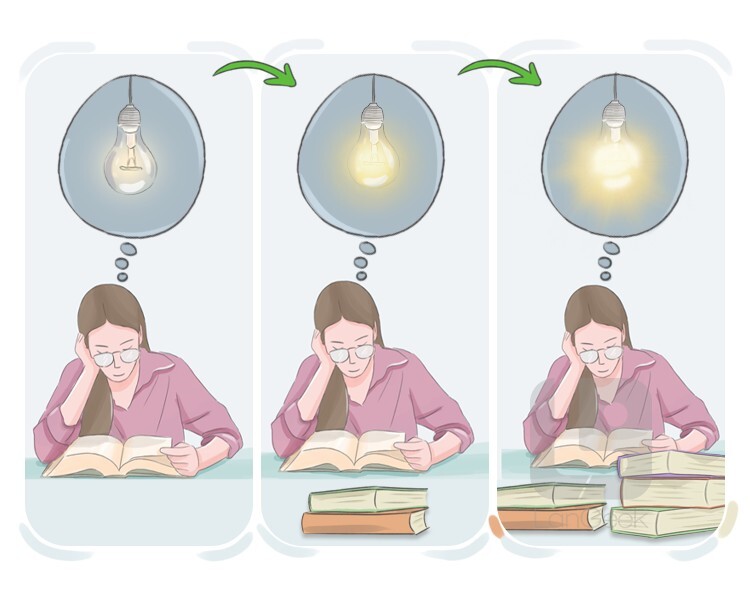
to comprehend or interpret the meaning of something
graspunderstand
transitive: to sense the meaning of something
例
He couldn't sense the underlying message in the letter at first.
例
She could sense his hesitation even though he didn't say a word.
04
"to sense"感知する,検知する
to notice or recognize something through automatic sensors or technology
detectregister
transitive: to sense sth
例
The security camera can sense movement in the dark.
LanGeek
モバイルアプリをダウンロード
語彙ツリー
nonsense
sensate
senseless
sense

