






























to rank
01
ランク付けする, 評価する
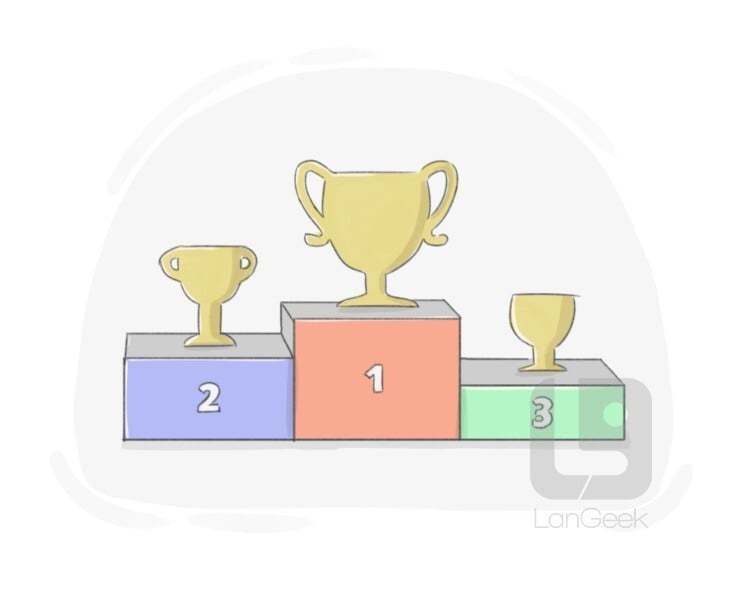
to position someone or something on a scale based on importance, quality, etc.
Transitive: to rank sb/sth
例
The competition judges will rank the dancers based on their technique and performance.
競技の審判は、ダンサーを彼らの技術とパフォーマンスに基づいてランク付けします。
文法情報
形態的構成
単純語
動作動詞
規則的
現在時制
rank
三人称単数
ranks
現在分詞
ranking
単純過去
ranked
過去分詞
ranked
例
She ranked first in her class based on her outstanding academic performance.
彼女は優れた学業成績に基づいてクラスで1位にランクされました。
03
ランク付けする, 上回る
to be more important or higher in status than someone else
Transitive: to rank sb
例
In the army, the general ranks the colonel.
軍隊では、将軍が大佐をランク付けします。
Rank
01
列, 横隊
a row or line of people, especially soldiers or police, standing side by side
文法情報
有生性の状態
人間
形態的構成
単純語
可算
singular
not gender specific
複数形
ranks
例
The soldiers stood in rank, ready for inspection.
兵士たちは列に並び、点検の準備ができていた。
02
階級, ランク
a person's relative status, position, or level of authority within an organization or society
例
The diplomat's rank determined his privileges at the conference.
外交官の階級が会議での彼の特権を決定した。
03
階級, ランク
members of the armed forces involving those who have a lower position
例
Communication between ranks is vital for operational success in military missions.
軍事作戦の成功のためには、階級間のコミュニケーションが不可欠です。
04
階級, 地位
a person's position within a social hierarchy or class
例
Nobility held the highest rank in medieval society.
中世社会において、貴族は最高の階級を保持していました。
05
階級, メンバー
(plural) the people who collectively form a particular group or organization
例
The charity relies on volunteers within its ranks to help carry out its mission.
その慈善団体は、その使命を果たすのを助けるために、その階級内のボランティアに依存しています。
06
列, ライン
a horizontal line of spaces across a game board, typically at a right angle to the columns
例
The chess pieces were arranged in the back rank at the start of the game.
チェスの駒はゲーム開始時に後ろの列に配置されていた。
rank
01
非常に肥沃な, 極めて肥沃な
extremely fertile
文法情報
形態的構成
単純語
性質形容詞
最上級
rankest
比較級
ranker
程度表現可
分野
soil, agriculture, fertility
例
The farm's rank soil yielded record harvests.
農場の肥沃な土壌が記録的な収穫をもたらした。
02
密集した, 繁茂した
growing thickly, densely, or luxuriantly
例
The jungle was rank with undergrowth.
ジャングルは下生えで生い茂っていた。
03
完全な, 絶対的な
complete or extreme, often used to intensify
例
That was rank nonsense—utterly without sense or reason.
それは完全なナンセンスだった—全く意味や理由がない。
04
明白な, 露骨な
obviously and outrageously bad or offensive
例
The company faced backlash for its rank mistreatment of workers.
同社は、労働者に対する露骨な虐待で反発に直面した。
LanGeek
モバイルアプリをダウンロード

語彙ツリー
ranked
ranker
ranking
rank

