






























to leave behind
01
置き去りにする, 捨てる
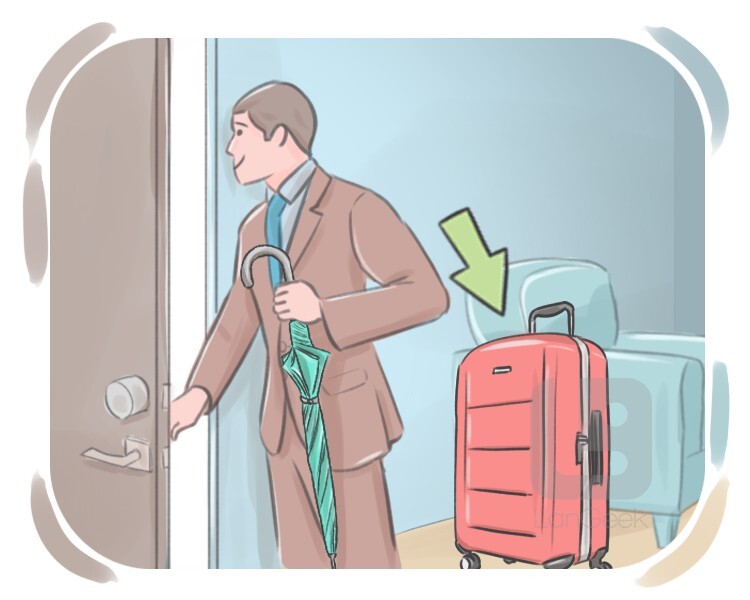
to leave without taking someone or something with one
Transitive: to leave behind sb/sth | to leave behind sb/sth somewhere
文法情報
形態的構成
句動詞
動作動詞
規則的
分離可能
不変化詞
behind
基本動詞
leave
現在時制
leave behind
三人称単数
leaves behind
現在分詞
leaving behind
単純過去
left behind
過去分詞
left behind
例
The explorer left his trusty compass behind in the cave.
探検家は洞窟で彼の信頼できるコンパスを置き去りにした。
02
後ろに残す, 遺産を残す
to leave a lasting impact on the world or people through one's memories, legacy, and influence
Transitive: to leave behind a legacy
例
The beloved musician has left a legacy of inspiring music behind that will touch generations to come.
愛された音楽家は、これからの世代に触れるであろう感動的な音楽の遺産を残しました。
03
追い越す, 後ろに残す
to surpass someone or something in development, achievement, or advancement
Transitive: to leave behind sb/sth
例
The company's innovative technology left behind its competitors in the market.
同社の革新的な技術は、市場で競合他社を置き去りにした。
04
後ろに残す, 痕跡を残す
to leave a mark or sign of something's presence, existence, or occurrence
Transitive: to leave behind a sign
例
The author left a trail of breadcrumbs behind in their story, subtly hinting at future revelations or plot twists.
作者は物語の中にパンくずの跡を残し、将来の啓示やプロットのねじれをほのめかした。
05
置き去りにする, 捨てる
to discard or abandon someone or something as no longer relevant or important to one's present or future
Transitive: to leave behind sth
例
The artist left behind their childhood dreams of becoming a doctor, embracing their passion for painting instead.
そのアーティストは医者になるという子供の頃の夢を捨て、代わりに絵画への情熱を受け入れた。
06
後ろに残す, 乗り越える
to move past a person or thing
Transitive: to leave behind sth
例
With each step, the exhausted hiker left the steep mountain trail behind.
一歩ごとに、疲れ切ったハイカーは険しい山道を後ろに残した。
07
残す, 後に残す
to be survived by individuals after one's death
Transitive: to leave behind family members
例
Despite his untimely demise, John left behind a loving family who cherished his memory.
彼の時期尚早な死にもかかわらず、ジョンは彼の記憶を大切にする愛する家族を残しました。


