
leave behind
leave
ˈli:v
liv
be
bi
hind
haɪnd
haind
British pronunciation
/lˈiːv bɪhˈaɪnd/

Định nghĩa và ý nghĩa của "leave behind"trong tiếng Anh

to leave behind
[phrase form: leave]
01

bỏ lại phía sau, từ bỏ
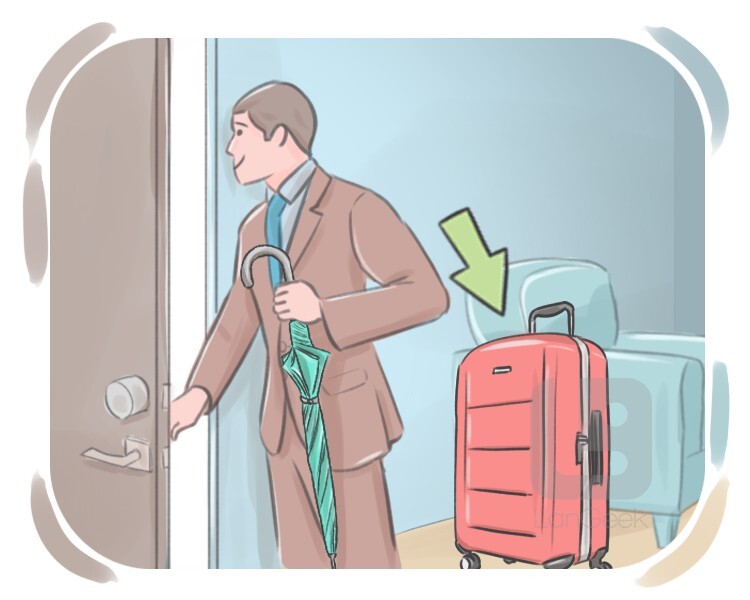
to leave without taking someone or something with one
Transitive: to leave behind sb/sth | to leave behind sb/sth somewhere
to leave behind definition and meaning
example
Các ví dụ
The soldier had left behind his comrades in the battle.
Người lính đã bỏ lại phía sau đồng đội của mình trong trận chiến.
02

để lại phía sau, để lại di sản

to leave a lasting impact on the world or people through one's memories, legacy, and influence
Transitive: to leave behind a legacy
example
Các ví dụ
The entrepreneur succumbed to illness, leaving behind a thriving business for his capable team.
Doanh nhân đã qua đời vì bệnh tật, để lại một doanh nghiệp phát triển mạnh cho đội ngũ có năng lực của mình.
03

vượt qua, bỏ lại phía sau

to surpass someone or something in development, achievement, or advancement
Transitive: to leave behind sb/sth
example
Các ví dụ
The economic growth of the region left many neighboring countries behind, creating a disparity in living standards.
Tăng trưởng kinh tế của khu vực đã bỏ lại phía sau nhiều quốc gia láng giềng, tạo ra sự chênh lệch về mức sống.
04

để lại phía sau, để lại dấu vết

to leave a mark or sign of something's presence, existence, or occurrence
Transitive: to leave behind a sign
example
Các ví dụ
The explorer 's campfire left behind a circle of charred stones as evidence of their overnight stay.
Lửa trại của nhà thám hiểm để lại phía sau một vòng tròn đá cháy đen như bằng chứng về đêm nghỉ lại của họ.
05

bỏ lại phía sau, từ bỏ

to discard or abandon someone or something as no longer relevant or important to one's present or future
Transitive: to leave behind sth
example
Các ví dụ
The traveler left behind the familiar comforts of home, venturing into the unknown in search of new adventures.
Kẻ lữ hành bỏ lại phía sau những tiện nghi quen thuộc của nhà, dấn thân vào nơi xa lạ để tìm kiếm những cuộc phiêu lưu mới.
06

bỏ lại phía sau, vượt qua

to move past a person or thing
Transitive: to leave behind sth
example
Các ví dụ
As the train departed, he waved to the platform, leaving the familiar sights behind.
Khi đoàn tàu khởi hành, anh ấy vẫy tay chào sân ga, bỏ lại phía sau những cảnh quen thuộc.
07

để lại phía sau, để lại sau khi qua đời

to be survived by individuals after one's death
Transitive: to leave behind family members
example
Các ví dụ
The soldier sacrificed his life in the line of duty, leaving behind a proud but grieving family.
Người lính đã hy sinh tính mạng của mình khi làm nhiệm vụ, để lại phía sau một gia đình tự hào nhưng đau buồn.
LanGeek
Tải Ứng Dụng
langeek application

Download Mobile App

stars

app store


























