

Search
Select the dictionary language





























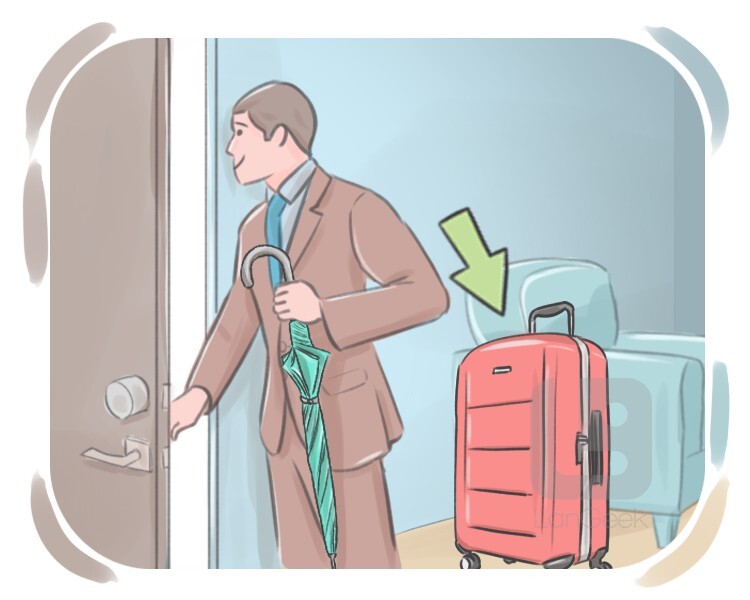
to leave behind
01
to leave without taking someone or something with one
Transitive: to leave behind sb/sth | to leave behind sb/sth somewhere
Grammatical Information
Composition
phrasal
Action verb
Regular
Separable
Particle
behind
Base verb
leave
Present tense
leave behind
3rd person singular
leaves behind
Present participle
leaving behind
Past simple
left behind
Past participle
left behind
Examples
The explorer left his trusty compass behind in the cave.
02
to leave a lasting impact on the world or people through one's memories, legacy, and influence
Transitive: to leave behind a legacy
Examples
The beloved musician has left a legacy of inspiring music behind that will touch generations to come.
03
to surpass someone or something in development, achievement, or advancement
Transitive: to leave behind sb/sth
Examples
The company's innovative technology left behind its competitors in the market.
04
to leave a mark or sign of something's presence, existence, or occurrence
Transitive: to leave behind a sign
Examples
The author left a trail of breadcrumbs behind in their story, subtly hinting at future revelations or plot twists.
05
to discard or abandon someone or something as no longer relevant or important to one's present or future
Transitive: to leave behind sth
Examples
The artist left behind their childhood dreams of becoming a doctor, embracing their passion for painting instead.
06
to move past a person or thing
Transitive: to leave behind sth
Examples
With each step, the exhausted hiker left the steep mountain trail behind.
07
to be survived by individuals after one's death
Transitive: to leave behind family members
Examples
Despite his untimely demise, John left behind a loving family who cherished his memory.


