

অনুসন্ধান করুন
অভিধানের ভাষা নির্বাচন করুন





























ভাঁজ করা, মোড়ানো
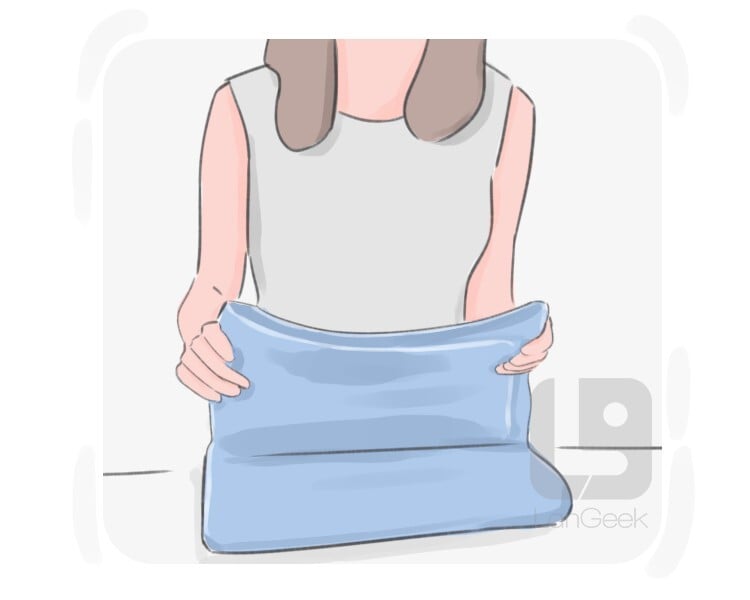
মেইল করার জন্য খামে রাখার আগে সে সতর্কতার সাথে চিঠিটি ভাঁজ করেছিল।
ভাঁজ করা, হার মানা
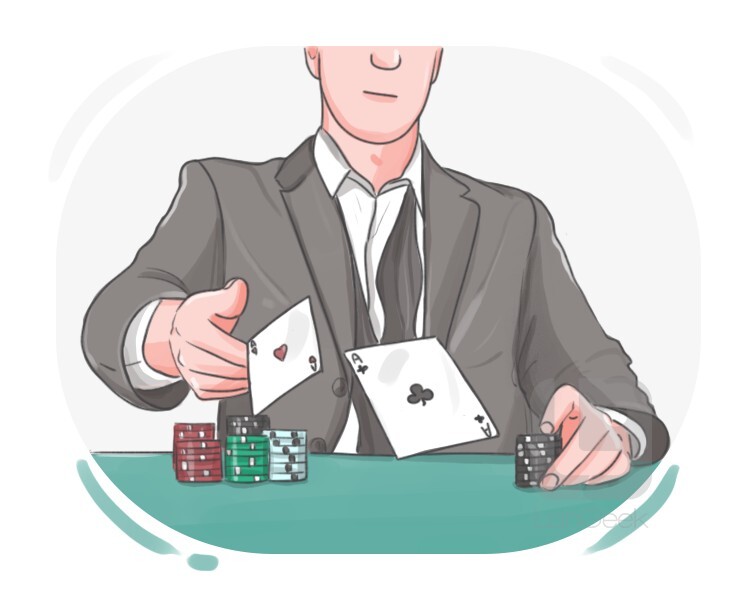
জন তার কার্ডগুলি সাবধানে অধ্যয়ন করেছিলেন, কিন্তু বুঝতে পেরেছিলেন যে তার হাত দুর্বল, তিনি রাউন্ডের শুরুতে ফোল্ড করার সিদ্ধান্ত নিয়েছিলেন।
বন্ধ করা, ব্যবসা বন্ধ করা
বাজারে প্রতিযোগিতা করার জন্য বছরের পর বছর সংগ্রাম করার পর, ছোট বইয়ের দোকানটিকে বন্ধ করতে হয়েছিল।
ভাঁজ করা, সহজে মিশ্রিত করা
ক্রিম ফেটানোর পর, গলানো চকোলেটটি ফেটানো ক্রিমে আলতো করে মিশিয়ে নিন।
ভাঁজ করা, বাঁকানো
কাপড় ঠান্ডা হওয়ার সাথে সাথে এটি ভাঁজ হতে শুরু করে, শার্টে স্পষ্ট pleats তৈরি করে।
আটকানো, ঘেরা
সূর্য অস্ত যেতে শুরু করলে, রাখাল ভেড়ার পালকে বেষ্টনীতে বন্ধ করে দিল।
ভেড়ার বেড়া, খোয়াড়
মেষপালক রাতের জন্য ভেড়াগুলোকে বেড়াতে নিয়ে এলেন।
ভাঁজ, মোড়
বারবার ব্যবহারের কারণে মানচিত্রটি কুঁচকানো এবং ভাঁজ-এ ভরা ছিল।
মণ্ডলী, সম্প্রদায়
পুরোহিত নতুন সদস্যদের পালে স্বাগত জানালেন।
ভাঁজ, মোড়
চিঠির ভাঁজ ভিতরে একটি লুকানো নোট প্রকাশ করে।
ভাঁজ, কুঁচ
শল্য চিকিৎসক রোগীর ত্বকের ভাঁজগুলি সাবধানে পরীক্ষা করলেন।
পশুপাল, খোঁয়াড়
মেষপালক তাদের চরতে দেওয়ার আগে পাল গণনা করেছিলেন।
ভাঁজ, বাঁক
ভূতত্ত্ববিদরা পর্বতশ্রেণীতে ভাঁজ অধ্যয়ন করেছিলেন।
ভাঁজ, মোড়
পোশাকের নীচে সুন্দর ভাঁজ ছিল।


