






























to leverage
01
利用借入资金, 杠杆化
to utilize borrowed funds or financial resources to increase one's capacity for investment or acquisition
Transitive: to leverage funds
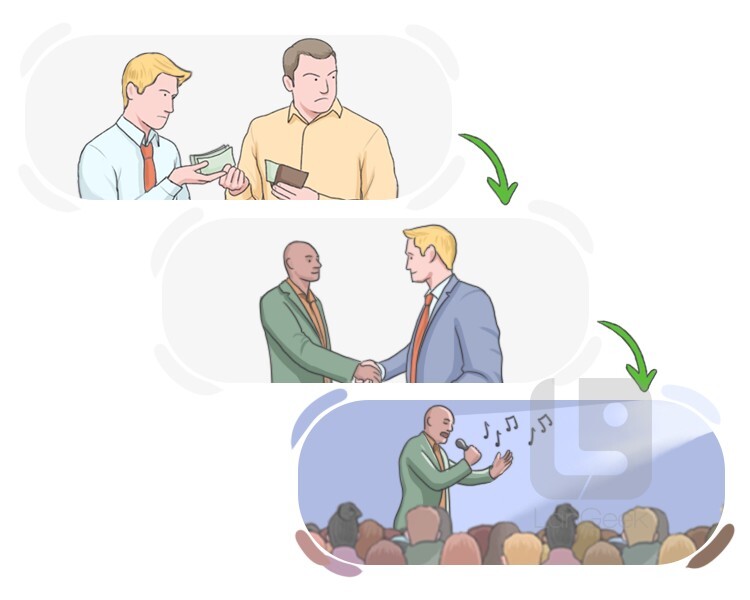
语法信息
形态构成
派生
动作动词
规则
现在时
leverage
第三人称单数
leverages
现在分词
leveraging
一般过去时
leveraged
过去分词
leveraged
例子
The ambitious entrepreneur leveraged capital from investors to fund the expansion of the startup.
这位雄心勃勃的企业家利用投资者的资金来资助初创企业的扩张。
02
利用, 发挥
to use something to its maximum advantage
Transitive: to leverage sth
例子
The entrepreneur aimed to leverage social media platforms to promote the brand and reach a wider audience.
企业家旨在利用社交媒体平台来推广品牌并覆盖更广泛的受众。
Leverage
01
杠杆, 财务杠杆
(finance) the using of credit or someone else's money to raise earning potential of shares
语法信息
有生性状态
抽象
形态构成
复合词
不可数
singular
not gender specific
02
影响力, 谈判力
the ability to influence a person or situation through the strategic use of resources to achieve a desired outcome
例子
The politician's strong public support gave him leverage in policy negotiations.
这位政治家强大的公众支持使他在政策谈判中获得了杠杆。
03
杠杆, 机械优势
the mechanical advantage gained by being in a position to use a lever
04
财务杠杆, 杠杆效应
(finance) the value of a company's shares in relation to its debts
LanGeek
下载我们的移动应用
词汇树
leveraging
leverage

