






























to leverage
01
차입금을 활용하다, 레버리지를 활용하다
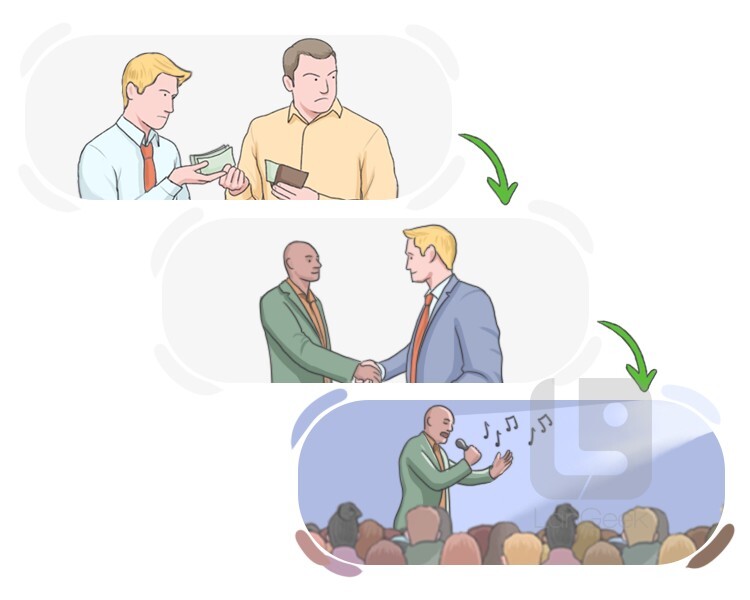
to utilize borrowed funds or financial resources to increase one's capacity for investment or acquisition
Transitive: to leverage funds
문법 정보
형태적 구성
파생어
동작 동사
규칙
현재 시제
leverage
3인칭 단수
leverages
현재분사
leveraging
단순 과거
leveraged
과거분사
leveraged
예시들
The ambitious entrepreneur leveraged capital from investors to fund the expansion of the startup.
야심 찬 기업가는 스타트업의 확장을 자금 조달하기 위해 투자자들로부터 자본을 활용했습니다.
02
활용하다, 이용하다
to use something to its maximum advantage
Transitive: to leverage sth
예시들
The entrepreneur aimed to leverage social media platforms to promote the brand and reach a wider audience.
기업가는 소셜 미디어 플랫폼을 활용하여 브랜드를 홍보하고 더 넓은 관객에게 도달하는 것을 목표로 했습니다.
Leverage
01
레버리지, 재무 레버리지
(finance) the using of credit or someone else's money to raise earning potential of shares
문법 정보
유생성 상태
추상
형태적 구성
합성어
불가산
singular
not gender specific
02
영향력, 협상력
the ability to influence a person or situation through the strategic use of resources to achieve a desired outcome
예시들
The politician's strong public support gave him leverage in policy negotiations.
정치인의 강력한 대중적 지지는 정책 협상에서 그에게 레버리지를 주었다.
03
지렛대, 기계적 이점
the mechanical advantage gained by being in a position to use a lever
04
재무 레버리지, 레버리지 효과
(finance) the value of a company's shares in relation to its debts
LanGeek
모바일 앱 다운로드

어휘 나무
leveraging
leverage

