






























to leave behind
01
留下, 抛弃
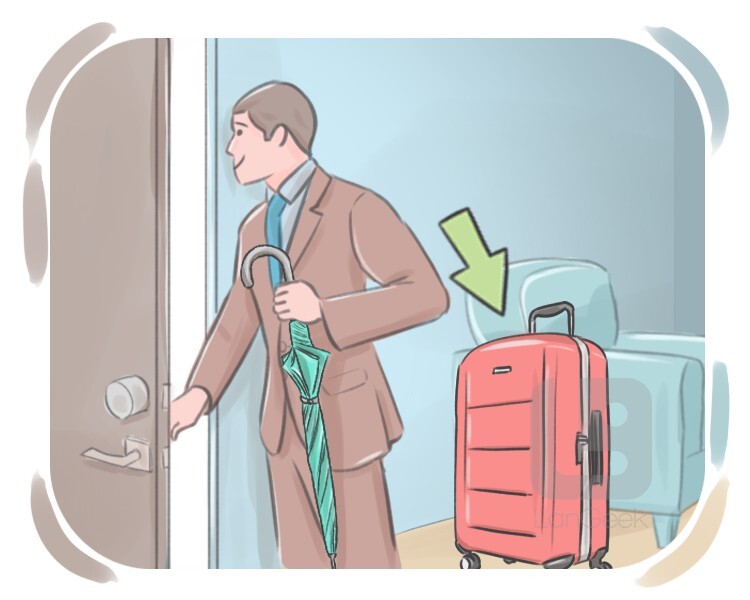
to leave without taking someone or something with one
Transitive: to leave behind sb/sth | to leave behind sb/sth somewhere
语法信息
形态构成
短语
动作动词
规则
可分离
小品词
behind
基本动词
leave
现在时
leave behind
第三人称单数
leaves behind
现在分词
leaving behind
一般过去时
left behind
过去分词
left behind
例子
The explorer left his trusty compass behind in the cave.
探险者把他的可靠指南针留在了洞穴里。
02
留下, 留下遗产
to leave a lasting impact on the world or people through one's memories, legacy, and influence
Transitive: to leave behind a legacy
例子
The beloved musician has left a legacy of inspiring music behind that will touch generations to come.
这位受人爱戴的音乐家留下了激励人心的音乐遗产,将感动未来的世代。
03
超越, 甩在后面
to surpass someone or something in development, achievement, or advancement
Transitive: to leave behind sb/sth
例子
The company's innovative technology left behind its competitors in the market.
该公司的创新技术超越了市场上的竞争对手。
04
留下, 留下痕迹
to leave a mark or sign of something's presence, existence, or occurrence
Transitive: to leave behind a sign
例子
The author left a trail of breadcrumbs behind in their story, subtly hinting at future revelations or plot twists.
作者在故事中留下了一条面包屑的痕迹,巧妙地暗示了未来的启示或情节转折。
05
抛弃, 放弃
to discard or abandon someone or something as no longer relevant or important to one's present or future
Transitive: to leave behind sth
例子
The artist left behind their childhood dreams of becoming a doctor, embracing their passion for painting instead.
这位艺术家抛弃了他们童年时成为医生的梦想,转而拥抱了对绘画的热情。
06
留在后面, 超越
to move past a person or thing
Transitive: to leave behind sth
例子
With each step, the exhausted hiker left the steep mountain trail behind.
每走一步,疲惫的徒步旅行者都会把陡峭的山路抛在身后。
07
留下, 遗留下
to be survived by individuals after one's death
Transitive: to leave behind family members
例子
Despite his untimely demise, John left behind a loving family who cherished his memory.
尽管英年早逝,约翰留下了一个珍视他记忆的充满爱的家庭。


