






























to haunt
01
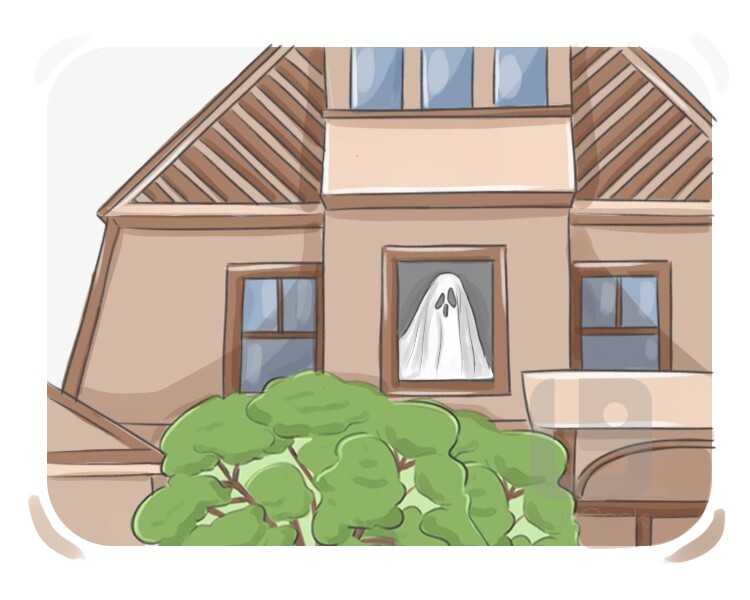
유령으로 나타나다, 떠돌다
(of a ghost) to appear or be seen repeatedly in a building
Transitive: to haunt a place
문법 정보
형태적 구성
단순어
동작 동사
규칙
현재 시제
haunt
3인칭 단수
haunts
현재분사
haunting
단순 과거
haunted
과거분사
haunted
예시들
The old mansion was said to be haunted by the ghost of a former resident.
그 오래된 저택은 전 주민의 유령에게 시달린다고 했다.
02
괴롭히다, 따라다니다
to persistently seek or follow someone, often in a way that is unwanted or bothersome
Transitive: to haunt sb
예시들
He haunted her every weekend, always showing up at the places she visited.
그는 매주 주말 그녀를 괴롭혔고, 그녀가 방문한 장소에 항상 나타났다.
03
자주 들르다, 정기적으로 방문하다
to visit a place regularly or repeatedly
Transitive: to haunt a place
예시들
The old man haunted the park every morning, sitting on the same bench to read his newspaper.
그 노인은 매일 아침 공원을 자주 찾아 같은 벤치에 앉아 신문을 읽었다.
04
떠나지 않다, 괴롭히다
to stay in the thoughts of someone for a long time
Transitive: to haunt sb/sth
예시들
The memory of the accident continued to haunt her for years.
사고의 기억은 수년 동안 그녀를 괴롭혔다.
05
괴롭히다, 계속 따라다니다
to keep creating problems for someone for a long time
Transitive: to haunt sb/sth
예시들
The mistake on his record continued to haunt him, affecting every job interview.
그의 기록상의 실수는 계속 그를 괴롭혔고, 모든 취업 면접에 영향을 미쳤다.
Haunt
01
단골 장소, 자주 가는 곳
a place someone visits regularly or favors as a usual spot
문법 정보
유생성 상태
무생물
형태적 구성
합성어
가산
singular
not gender specific
복수형
haunts
예시들
This café is her favorite haunt.
이 카페는 그녀가 가장 좋아하는 단골 장소입니다.


