



























to haunt
01
幽霊として現れる, つきまとう
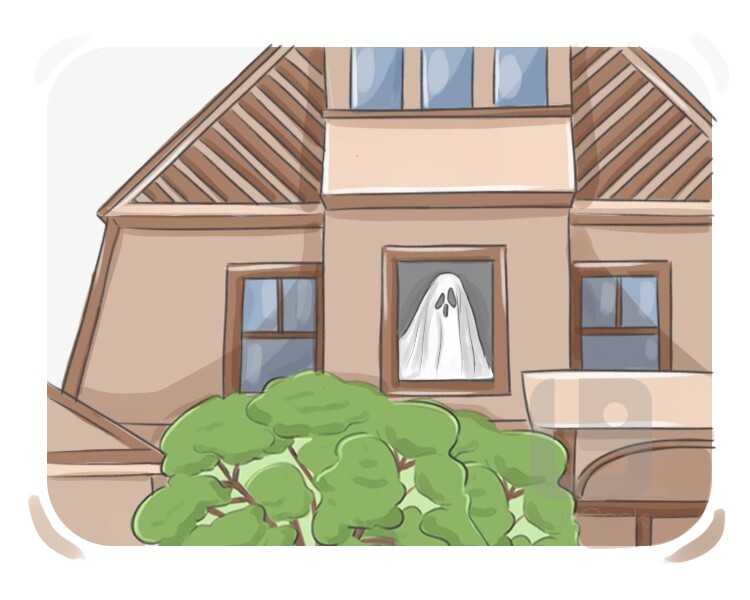
(of a ghost) to appear or be seen repeatedly in a building
Transitive: to haunt a place
文法情報
形態的構成
単純語
動作動詞
規則的
現在時制
haunt
三人称単数
haunts
現在分詞
haunting
単純過去
haunted
過去分詞
haunted
例
The old mansion was said to be haunted by the ghost of a former resident.
その古い邸宅は、元住人の幽霊に取り憑かれていると言われていた。
02
つきまとう, 追い回す
to persistently seek or follow someone, often in a way that is unwanted or bothersome
Transitive: to haunt sb
例
He haunted her every weekend, always showing up at the places she visited.
彼は毎週末彼女をつきまとった、彼女が訪れる場所にいつも現れた。
03
頻繁に訪れる, 定期的に通う
to visit a place regularly or repeatedly
Transitive: to haunt a place
例
The old man haunted the park every morning, sitting on the same bench to read his newspaper.
その老人は毎朝公園に通い、同じベンチに座って新聞を読んでいた。
04
つきまとう, 悩ませる
to stay in the thoughts of someone for a long time
Transitive: to haunt sb/sth
例
The memory of the accident continued to haunt her for years.
事故の記憶は何年も彼女をつきまとった。
05
つきまとう, 悩ませる
to keep creating problems for someone for a long time
Transitive: to haunt sb/sth
例
The mistake on his record continued to haunt him, affecting every job interview.
彼の記録上のミスは、すべての就職面接に影響を与え、彼を悩ませ続けた。
Haunt
01
たまり場, お気に入りの場所
a place someone visits regularly or favors as a usual spot
文法情報
有生性の状態
無生物
形態的構成
複合語
可算
singular
not gender specific
複数形
haunts
例
This café is her favorite haunt.
このカフェは彼女のお気に入りのたまり場です。