






























to haunt
01
闹鬼, 萦绕
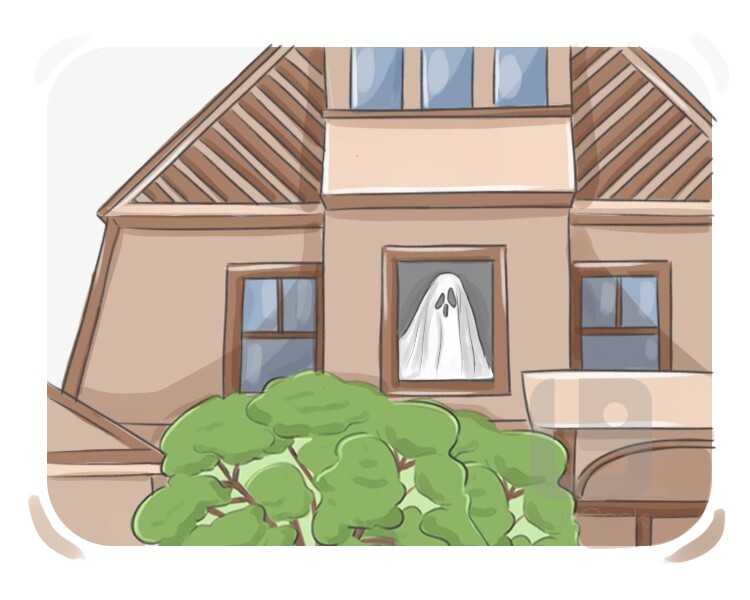
(of a ghost) to appear or be seen repeatedly in a building
Transitive: to haunt a place
语法信息
形态构成
简单词
动作动词
规则
现在时
haunt
第三人称单数
haunts
现在分词
haunting
一般过去时
haunted
过去分词
haunted
例子
The old mansion was said to be haunted by the ghost of a former resident.
据说老宅被一位前住户的鬼魂萦绕。
02
纠缠, 尾随
to persistently seek or follow someone, often in a way that is unwanted or bothersome
Transitive: to haunt sb
例子
He haunted her every weekend, always showing up at the places she visited.
他每个周末都纠缠她,总是出现在她去过的地方。
03
常去, 频繁造访
to visit a place regularly or repeatedly
Transitive: to haunt a place
例子
The old man haunted the park every morning, sitting on the same bench to read his newspaper.
老人每天早上都会光顾公园,坐在同一张长椅上看报纸。
04
萦绕, 困扰
to stay in the thoughts of someone for a long time
Transitive: to haunt sb/sth
例子
The memory of the accident continued to haunt her for years.
那次事故的记忆多年来一直困扰着她。
05
困扰, 纠缠
to keep creating problems for someone for a long time
Transitive: to haunt sb/sth
例子
The mistake on his record continued to haunt him, affecting every job interview.
他记录上的错误继续困扰着他,影响每一次工作面试。
Haunt
01
常去的地方, 据点
a place someone visits regularly or favors as a usual spot
语法信息
有生性状态
无生命
形态构成
复合词
可数
singular
not gender specific
复数形式
haunts
例子
This café is her favorite haunt.
这家咖啡馆是她最喜欢的常去之处。


