






























to idle
01
怠ける, のんびりする
to be at rest or not actively doing anything
Intransitive

例
During the afternoon, he chose to idle by the river and enjoy the scenery.
午後、彼は川辺で何もしないでいることを選び、風景を楽しんだ。
02
アイドリングする, 空転する
to run an engine slowly without being engaged in any work or gear
Intransitive
文法情報
形態的構成
単純語
動作動詞
規則的
現在時制
idle
三人称単数
idles
現在分詞
idling
単純過去
idled
過去分詞
idled
例
The car idled at the traffic light, waiting for the signal to change.
車は信号待ちでアイドリング状態でした、信号が変わるのを待っていました。
idle
01
怠惰な, 無為な
lacking responsibility or purposeful direction
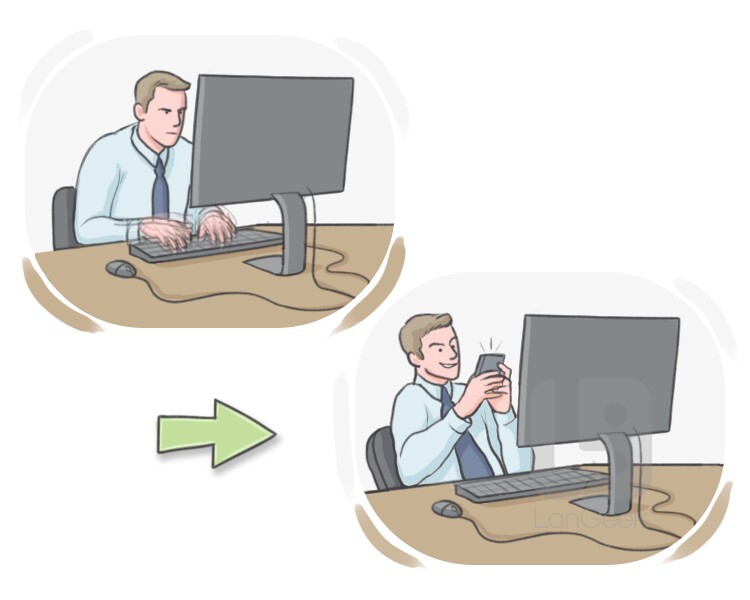
例
The young heir led an idle life of indulgence.
若い相続人は、怠惰な贅沢な生活を送っていた。
02
アイドル状態の, 稼働していない
(of a machine, factory, or similar system) not operating or in active use
文法情報
形態的構成
単純語
性質形容詞
最上級
idlest
比較級
idler
程度表現可
分野
machinery, industry, operation
例
The factory has been idle since last month's power outage.
工場は先月の停電以来アイドル状態です。
03
根拠のない, 理由のない
lacking reason or foundation
例
She laughed off the idle threats from her classmates.
彼女はクラスメートからの根拠のない脅しを笑い飛ばした。
04
取るに足らない, 無意味な
having little or no significance
例
They spent the afternoon in idle chatter.
彼らは午後を無駄なおしゃべりに費やした。
05
遊んでいる, 暇な
not engaged in any occupation
例
Many workers were idle after the factory closed.
工場が閉鎖された後、多くの労働者が暇だった。
例
The idle investment earned no interest.
遊休投資は利息を全く稼がなかった。
Idle
01
アイドリング, アイドル状態
the condition of an engine or machine when it is running without performing work
文法情報
有生性の状態
無生物
形態的構成
複合語
可算
singular
not gender specific
複数形
idles
例
The engine runs at idle while the car is stopped at a traffic light.
車が信号で止まっている間、エンジンはアイドリング状態で作動します。
LanGeek
モバイルアプリをダウンロード

語彙ツリー
idler
idling
idle

