Keresés
Vålassza ki a szótår nyelvét
come on
01
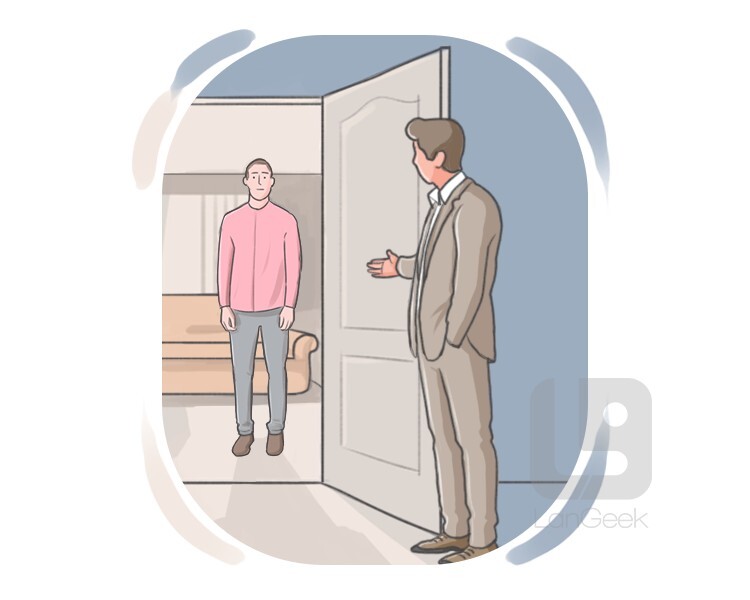
used for encouraging someone to hurry
Példåk
The train is about to leave. Come on!
to come on
[phrase form: come]
01
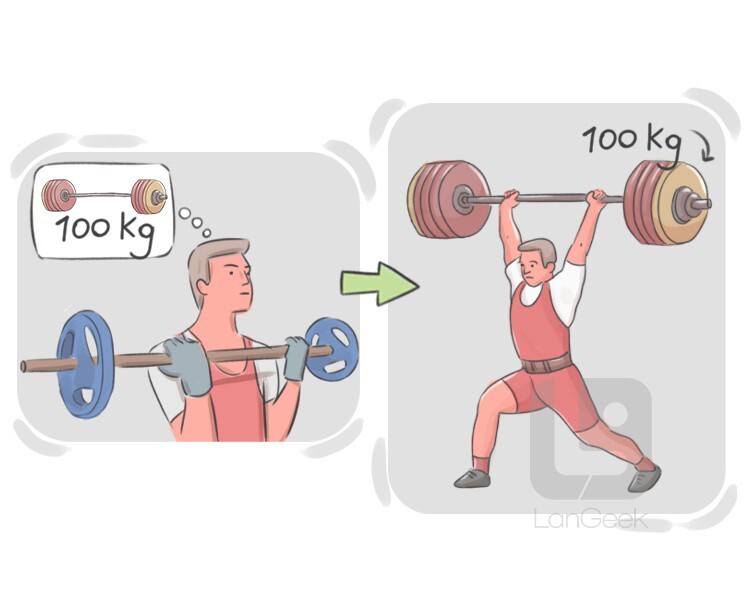
halad, javul
to make progress or improve
Intransitive: to come on | to come on in a specific manner
Példåk
Her piano playing is really coming on. She's getting better with each practice.
A zongorajĂĄtĂ©ka valĂłban fejlĆdik. Minden gyakorlattal jobb lesz.
02
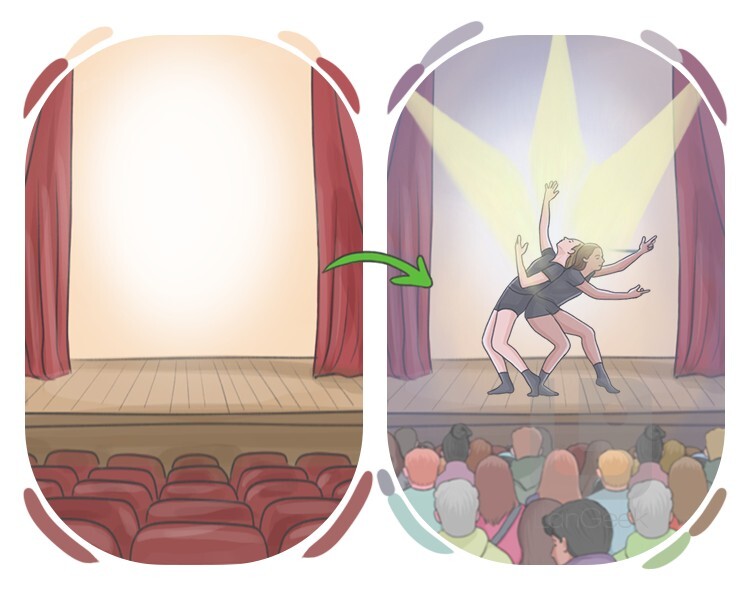
kezdĆdik, megjelenik
to begin doing something in a manner that is sudden and unexpected
Intransitive
Példåk
As soon as the lights dimmed, the music came on, and the performance began.
Amint a fĂ©nyek elhalvĂĄnyodtak, a zene beindult, Ă©s a elĆadĂĄs elkezdĆdött.
03
jön, közeledik
to move or advance in the direction of someone or something
Intransitive: to come on somewhere
Példåk
The child hesitated for a moment but then came on to her mother's outstretched arms.
A gyermek egy pillanatig habozott, de aztĂĄn odament anyja kinyĂșjtott karjaihoz.
04
megjelenik, jön
to become accessible or available for use or participation
Intransitive
Példåk
I 've been waiting for this sale to come on, so I can buy the item at a discounted price.
Vårtam, hogy ez az akció elinduljon, hogy kedvezményes åron meg tudjam våsårolni a terméket.
05
elindul, bekapcsol
to begin functioning, especially after a period of inactivity or being turned off
Intransitive
Példåk
The lights in the theater came on, signaling the start of the performance.
A szĂnhĂĄzban felgyulladtak a fĂ©nyek, jelezve az elĆadĂĄs kezdetĂ©t.
06
flörtöl, romantikus Ă©rdeklĆdĂ©st mutat
to show attraction or romantic interest
Intransitive: to come on | to come on to sb
Példåk
She did n't appreciate his advances; he was coming on too strong.
Nem Ă©rtĂ©kelte a közeledĂ©sĂ©t; tĂșl erĆszakos volt.
07
megjelenik, részt vesz
to make an appearance or be featured in a television or radio program, especially as a guest or performer
Intransitive
Transitive: to come on a show
Példåk
I'm excited to see the band come on and perform their new song on the music show.
Izgatott vagyok, hogy lĂĄthatom a bandĂĄt fellĂ©pni Ă©s elĆadni az Ășj dalukat a zenei mƱsorban.
08
rĂĄakad, vĂ©letlenĂŒl talĂĄlkozik
to come across or encounter someone or something unexpectedly
Transitive: to come on sth
Példåk
While cleaning out the attic, I came on an old box filled with my childhood toys.
A padlĂĄs takarĂtĂĄsa közben rĂĄbukkantam egy rĂ©gi dobozra, tele gyermekkori jĂĄtĂ©kaimmal.
09
megjelenik, mutatkozik
to become visible or make an appearance, often in a noticeable manner
Intransitive
Példåk
As the fog lifted, the stunning landscape came on, revealing its beauty.
Ahogy a köd feloszlott, a lenyƱgözĆ tĂĄj elĆbukkant, felfedve szĂ©psĂ©gĂ©t.
10
kezd kialakulni, megjelenik
to begin to develop or appear, especially in the context of a condition, illness, or feeling
Példåk
He could feel a cold coming on after being out in the rain.
Ărezte, hogy egy megfĂĄzĂĄs közeledik, miutĂĄn esĆben volt.
come on
01
GyerĂŒnk, Ugyan mĂĄr
used to express disbelief or disagreement with someone, especially when they are making a statement or argument that the speaker finds implausible or questionable