come on

āχāĻ‚āϰ⧇āϜāĻŋāϤ⧇ "come on"āĻāϰ āϏāĻ‚āĻœā§āĻžāĻž āĻ“ āĻ…āĻ°ā§āĻĨ

01

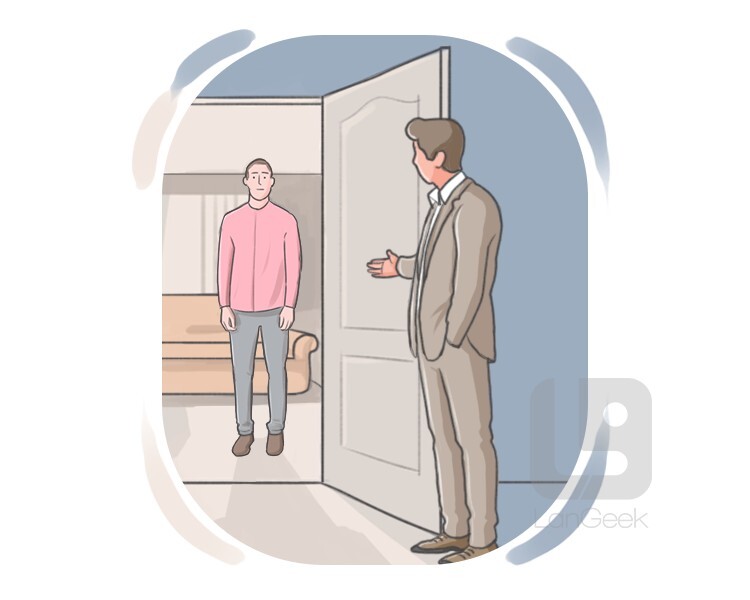
used for encouraging someone to hurry
come on definition and meaning
āωāĻĻāĻžāĻšāϰāĻŖ
The show starts in ten minutes. Come on, we need to hurry!
to come on
[phrase form: come]
01

āωāĻ¨ā§āύāϤāĻŋ āĻ•āϰāĻž, āωāĻ¨ā§āύāϤ āĻšāĻ“āϝāĻŧāĻž

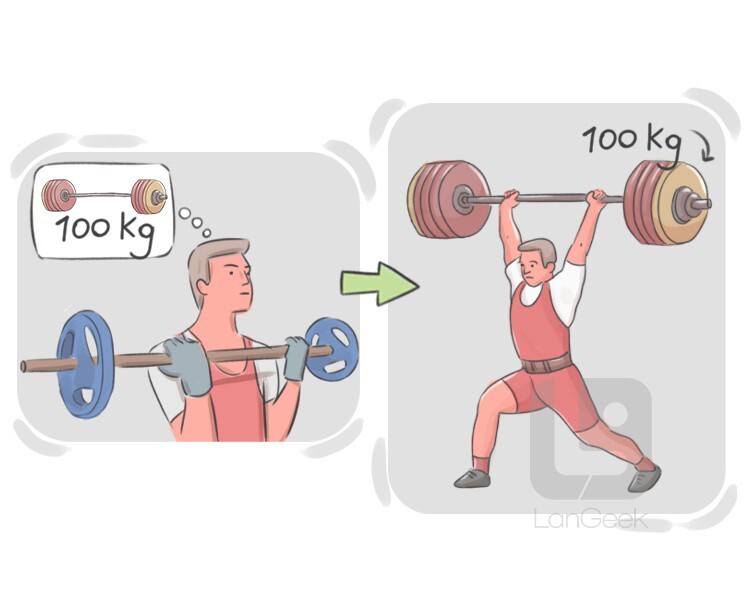
to make progress or improve
Intransitive: to come on | to come on in a specific manner
to come on definition and meaning
āωāĻĻāĻžāĻšāϰāĻŖ
Her piano playing is really coming on. She's getting better with each practice.
āϤāĻžāϰ āĻĒāĻŋāϝāĻŧāĻžāύ⧋ āĻŦāĻžāϜāĻžāύ⧋ āϏāĻ¤ā§āϝāĻŋāχ āωāĻ¨ā§āύāϤāĻŋ āĻ•āϰāϛ⧇āĨ¤ āϏ⧇ āĻĒā§āϰāϤāĻŋāϟāĻŋ āĻ…āύ⧁āĻļā§€āϞāύ⧇āϰ āϏāĻžāĻĨ⧇ āĻ­āĻžāϞ āĻšāϝāĻŧ⧇ āωāĻ āϛ⧇āĨ¤
02

āĻļ⧁āϰ⧁ āĻ•āϰāĻž, āĻĒā§āϰāĻ•āĻžāĻļ āĻ•āϰāĻž

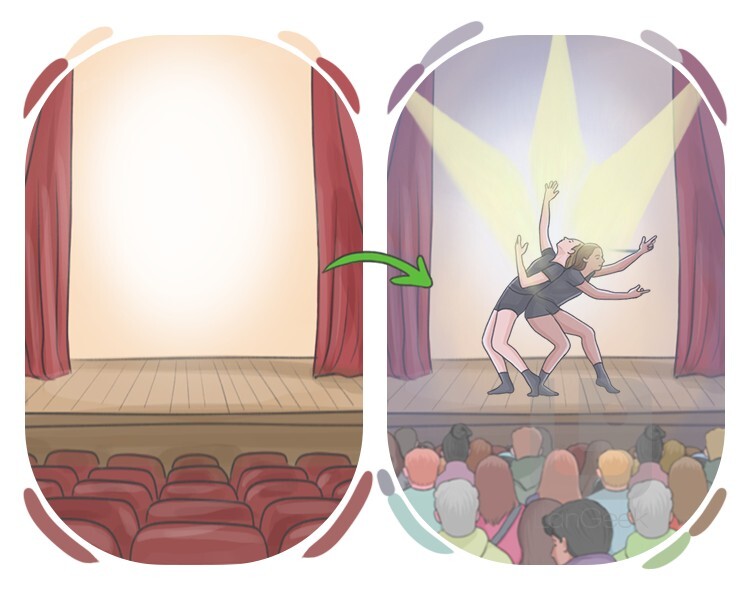
to begin doing something in a manner that is sudden and unexpected
Intransitive
to come on definition and meaning
āωāĻĻāĻžāĻšāϰāĻŖ
As soon as the lights dimmed, the music came on, and the performance began.
āφāϞ⧋ āύāĻŋāϭ⧇ āϝāĻžāĻ“āϝāĻŧāĻžāϰ āϏāĻžāĻĨ⧇ āϏāĻžāĻĨ⧇āχ āϏāĻ™ā§āĻ—ā§€āϤ āĻļ⧁āϰ⧁ āĻšāϝāĻŧ, āĻāĻŦāĻ‚ āĻĒāĻžāϰāĻĢāϰāĻŽā§āϝāĻžāĻ¨ā§āϏ āĻļ⧁āϰ⧁ āĻšāϝāĻŧāĨ¤
03

āφāϏāĻž, āύāĻŋāĻ•āĻŸā§‡ āφāϏāĻž

to move or advance in the direction of someone or something
Intransitive: to come on somewhere
āωāĻĻāĻžāĻšāϰāĻŖ
The child hesitated for a moment but then came on to her mother's outstretched arms.
āĻļāĻŋāĻļ⧁āϟāĻŋ āĻāĻ• āĻŽā§āĻšā§‚āĻ°ā§āϤ⧇āϰ āϜāĻ¨ā§āϝ āĻĻā§āĻŦāĻŋāϧāĻž āĻ•āϰāϞ āĻ•āĻŋāĻ¨ā§āϤ⧁ āϤāĻžāϰāĻĒāϰ āĻŽāĻžāϝāĻŧ⧇āϰ āĻĒā§āϰāϏāĻžāϰāĻŋāϤ āĻŦāĻžāĻšā§āϰ āĻĻāĻŋāϕ⧇ āĻāĻ—āĻŋāϝāĻŧ⧇ āĻāϞāĨ¤
04

āĻšāĻžāϜāĻŋāϰ āĻšāĻ“āϝāĻŧāĻž, āφāϏāĻž

to become accessible or available for use or participation
Intransitive
āωāĻĻāĻžāĻšāϰāĻŖ
I 've been waiting for this sale to come on, so I can buy the item at a discounted price.
āφāĻŽāĻŋ āĻāχ āĻŦāĻŋāĻ•ā§āϰāϝāĻŧ āĻļ⧁āϰ⧁ āĻšāĻ“āϝāĻŧāĻžāϰ āϜāĻ¨ā§āϝ āĻ…āĻĒ⧇āĻ•ā§āώāĻž āĻ•āϰāĻ›āĻŋāϞāĻžāĻŽ, āϝāĻžāϤ⧇ āφāĻŽāĻŋ āφāχāĻŸā§‡āĻŽāϟāĻŋ āĻĄāĻŋāϏāĻ•āĻžāωāĻ¨ā§āϟ āĻŽā§‚āĻ˛ā§āϝ⧇ āĻ•āĻŋāύāϤ⧇ āĻĒāĻžāϰāĻŋāĨ¤
05

āϚāĻžāϞ⧁ āĻšāĻ“āϝāĻŧāĻž, āĻļ⧁āϰ⧁ āĻ•āϰāĻž

to begin functioning, especially after a period of inactivity or being turned off
Intransitive
āωāĻĻāĻžāĻšāϰāĻŖ
I turned the faucet, and after a moment, the water finally came on.
āφāĻŽāĻŋ āĻ•āϞāϟāĻŋ āϘ⧁āϰāĻžāϞāĻžāĻŽ, āĻāĻŦāĻ‚ āĻ•āĻŋāϛ⧁āĻ•ā§āώāĻŖ āĻĒāϰ⧇, āϜāϞ āĻļ⧇āώ āĻĒāĻ°ā§āϝāĻ¨ā§āϤ āĻŦāĻšāϤ⧇ āĻļ⧁āϰ⧁ āĻ•āϰāϞāĨ¤
06

āĻĢā§āϞāĻžāĻ°ā§āϟ āĻ•āϰāĻž, āϰ⧋āĻŽāĻžāĻ¨ā§āϟāĻŋāĻ• āφāĻ—ā§āϰāĻš āĻĻ⧇āĻ–āĻžāύ⧋

to show attraction or romantic interest
Intransitive: to come on | to come on to sb
āωāĻĻāĻžāĻšāϰāĻŖ
She did n't appreciate his advances; he was coming on too strong.
āϤāĻŋāύāĻŋ āϤāĻžāϰ āĻ…āĻ—ā§āϰāĻ—āϤāĻŋāϰ āĻĒā§āϰāĻļāĻ‚āϏāĻž āĻ•āϰ⧇āύāύāĻŋ; āϤāĻŋāύāĻŋ āϖ⧁āĻŦ āĻœā§‹āϰ āĻĻāĻŋāĻšā§āĻ›āĻŋāϞ⧇āύ.
07

āĻšāĻžāϜāĻŋāϰ, āĻ…āĻ‚āĻļāĻ—ā§āϰāĻšāĻŖ

to make an appearance or be featured in a television or radio program, especially as a guest or performer
Intransitive
Transitive: to come on a show
āωāĻĻāĻžāĻšāϰāĻŖ
I'm excited to see the band come on and perform their new song on the music show.
āφāĻŽāĻŋ āĻŦā§āϝāĻžāĻ¨ā§āĻĄāϟāĻŋāϕ⧇ āφāϏāϤ⧇ āĻāĻŦāĻ‚ āϏāĻ™ā§āĻ—ā§€āϤ āĻļā§‹āϤ⧇ āϤāĻžāĻĻ⧇āϰ āύāϤ⧁āύ āĻ—āĻžāύāϟāĻŋ āĻĒāϰāĻŋāĻŦ⧇āĻļāύ āĻ•āϰāϤ⧇ āĻĻ⧇āϖ⧇ āωāĻ¤ā§āϤ⧇āϜāĻŋāϤāĨ¤
08

āĻ…āĻĒā§āϰāĻ¤ā§āϝāĻžāĻļāĻŋāϤāĻ­āĻžāĻŦ⧇ āĻĻ⧇āĻ–āĻž āĻĒāĻžāĻ“āϝāĻŧāĻž, āĻ…āĻĒā§āϰāĻ¤ā§āϝāĻžāĻļāĻŋāϤāĻ­āĻžāĻŦ⧇ āϏāĻŽā§āĻŽā§āĻ–ā§€āύ āĻšāĻ“āϝāĻŧāĻž

to come across or encounter someone or something unexpectedly
Transitive: to come on sth
āωāĻĻāĻžāĻšāϰāĻŖ
While cleaning out the attic, I came on an old box filled with my childhood toys.
āĻ…ā§āϝāĻžāϟāĻŋāĻ• āĻĒāϰāĻŋāĻˇā§āĻ•āĻžāϰ āĻ•āϰāĻžāϰ āϏāĻŽāϝāĻŧ, āφāĻŽāĻŋ āφāĻŽāĻžāϰ āĻļ⧈āĻļāĻŦ⧇āϰ āϖ⧇āϞāύāĻž āĻĻāĻŋāϝāĻŧ⧇ āĻ­āϰāĻž āĻāĻ•āϟāĻŋ āĻĒ⧁āϰāĻžāύ⧋ āĻŦāĻžāĻ•ā§āϏ āĻĒ⧇āϝāĻŧ⧇āĻ›āĻŋāϞāĻžāĻŽāĨ¤
09

āĻĻ⧇āĻ–āĻž āĻĻ⧇āĻ¤ā§āϤāϝāĻŧāĻž, āĻĒā§āϰāĻ•āĻžāĻļ āĻĒāĻžāĻ“āϝāĻŧāĻž

to become visible or make an appearance, often in a noticeable manner
Intransitive
āωāĻĻāĻžāĻšāϰāĻŖ
As the fog lifted, the stunning landscape came on, revealing its beauty.
āϕ⧁āϝāĻŧāĻžāĻļāĻž āĻ•āĻžāϟāϤ⧇ āĻļ⧁āϰ⧁ āĻ•āϰāϞ⧇, āϚāĻŽā§ŽāĻ•āĻžāϰ āĻĻ⧃āĻļā§āϝāϟāĻŋ āĻĻ⧇āĻ–āĻž āĻĻāĻŋāϞ, āϤāĻžāϰ āϏ⧌āĻ¨ā§āĻĻāĻ°ā§āϝ āĻĒā§āϰāĻ•āĻžāĻļ āĻ•āϰ⧇āĨ¤
10

āĻĒā§āϰāĻ•āĻžāĻļ āĻĒ⧇āϤ⧇ āĻļ⧁āϰ⧁, āĻĒā§āϰāĻ•āĻžāĻļ āĻĒāĻžāĻ“āϝāĻŧāĻž

to begin to develop or appear, especially in the context of a condition, illness, or feeling
āωāĻĻāĻžāĻšāϰāĻŖ
He could feel a cold coming on after being out in the rain.
āĻŦ⧃āĻˇā§āϟāĻŋāϤ⧇ āĻ­āĻŋāĻœā§‡ āϝāĻžāĻ“āϝāĻŧāĻžāϰ āĻĒāϰ āϏ⧇ āĻāĻ•āϟāĻŋ āĻ āĻžāĻ¨ā§āĻĄāĻž āφāϏāϤ⧇ āĻ…āύ⧁āĻ­āĻŦ āĻ•āϰāϤ⧇ āĻĒāĻžāϰāĻ›āĻŋāϞāĨ¤
01

āφāϏ⧋, āĻ…āĻšāĻ‚

used to express disbelief or disagreement with someone, especially when they are making a statement or argument that the speaker finds implausible or questionable
LanGeek
āĻ…ā§āϝāĻžāĻĒ āĻĄāĻžāωāύāϞ⧋āĻĄ āĻ•āϰ⧁āύ