Hledat
Vyberte jazyk slovníku
Root
01
kořen, kořínek
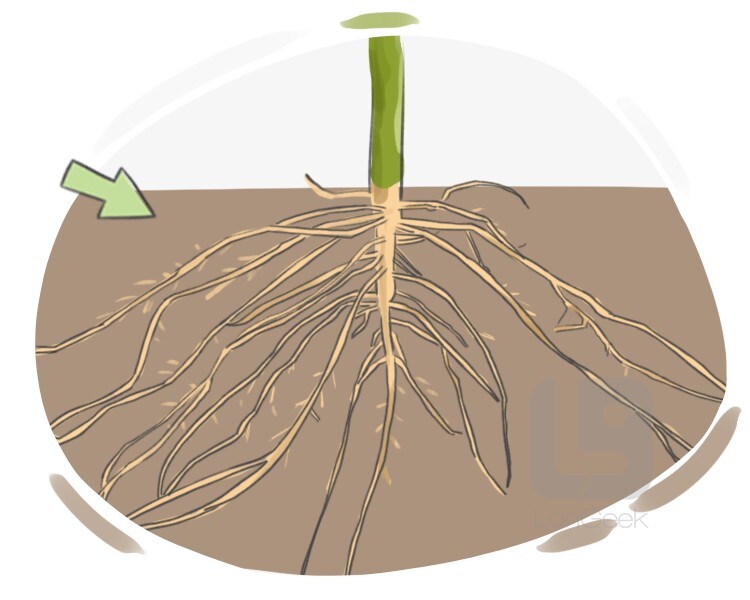
the underground part of a plant that absorbs water and minerals, sending it to other parts
Příklady
She carefully planted the new tree, ensuring that its roots were well spread out in the hole to encourage healthy growth.
Opatrně zasadila nový strom, ujistila se, že jeho kořeny jsou v jámě dobře rozprostřeny, aby podpořila zdravý růst.
The gardener dug up the old tree to remove its large, tangled roots that had spread throughout the garden.
Zahradník vykopal starý strom, aby odstranil jeho velké, zamotané kořeny, které se rozšířily po celé zahradě.
02
kořen, základ
the core lexical unit from which words are derived and carries the central meaning of a word
03
kořen, řešení
the set of values that give a true statement when substituted into an equation
04
kořen, radikál
a value that, when multiplied by itself a specified number of times, results in the given number
Příklady
The square root of 16 is 4.
Druhá odmocnina z 16 je 4.
Negative numbers can have imaginary roots, such as the square root of -1 being i.
Záporná čísla mohou mít imaginární kořeny, jako je druhá odmocnina z -1, což je i.
05
kořen, původ
the primary cause of something
Příklady
Understanding the root of the problem is essential for finding an effective solution to the conflict.
Pochopení kořene problému je zásadní pro nalezení účinného řešení konfliktu.
The therapist helped her uncover the root of her anxiety, which was tied to past experiences.
Terapeut jí pomohl odhalit kořen její úzkosti, který byl spojen s minulými zkušenostmi.
06
kořen, základ
the embedded part of a bodily structure such as a tooth, nail, or hair
07
kořen, původ
the place where something begins, where it springs into being
08
kořen, základ
a simple form inferred as the common basis from which related words in several languages can be derived by linguistic processes
09
předek, praotec
someone from whom you are descended (but usually more remote than a grandparent)
to root
01
zakořenit, sázet
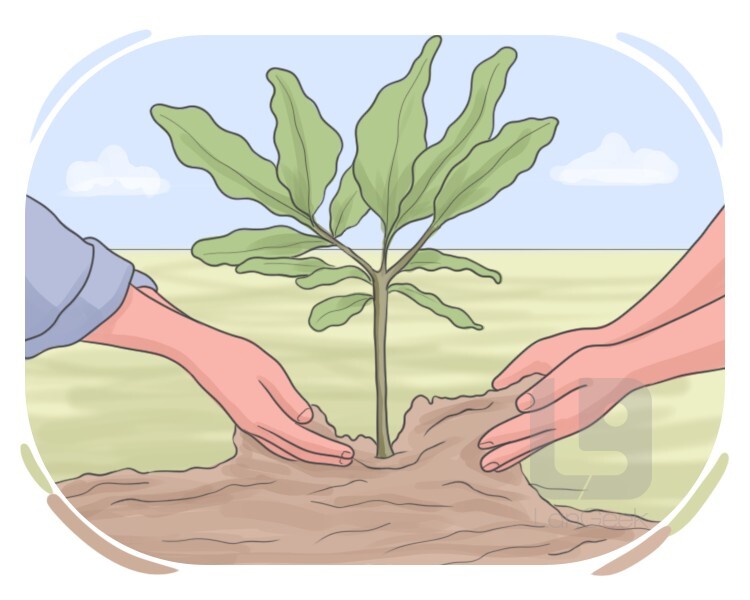
to plant by burying the base of a plant in soil
Transitive: to root a plant
Příklady
She roots the cuttings in a potting mix to propagate new plants.
Ona zakořeňuje řízky v květináčové směsi, aby množila nové rostliny.
They root the saplings in the garden bed to establish them in the soil.
Zakořeňují sazenice v záhonu, aby je usadili v půdě.
02
ryt, hrabat
to dig or search for something by using the snout, as done by certain animals like pigs
Intransitive
Příklady
The pig rooted around the forest floor for truffles.
Praseto rylo v lesní půdě při hledání lanýžů.
The dog rooted in the dirt, looking for its buried bone.
Pes ryl v zemi, hledal svou pohřbenou kost.
03
zakořenit, zapustit kořeny
(of a plant) to grow and develop roots
Intransitive
Příklady
The sapling rooted quickly in the rich soil of the garden.
Sazenice se rychle zakořenila v úrodné půdě zahrady.
After a week in water, the cutting finally rooted and was ready for planting.
Po týdnu ve vodě řízek konečně zakořenil a byl připraven k výsadbě.
04
zakořenit, mít původ
to have a starting point, origin, or foundation
Intransitive: to root in an origin
Příklady
The philosophy of the movement rooted in a desire for equality.
Filosofie hnutí má kořeny v touze po rovnosti.
Her passion for art rooted in childhood experiences with her grandmother.
Její vášeň pro umění má kořeny v dětských zážitcích s babičkou.
05
zakořenit, pomoci zakořenit
to help a plant or cutting grow roots
Transitive: to root a plant or cutting
Příklady
The gardener rooted the cutting in a jar of water before planting it.
Zahradník zakořenil řízek ve sklenici vody před jeho výsadbou.
He rooted the sapling by placing it in nutrient-rich soil.
Zakořenil sazenici tím, že ji umístil do půdy bohaté na živiny.
Lexikální Strom
rootage
rootless
rootlet
root