Keresés
Vålassza ki a szótår nyelvét
to cut off
[phrase form: cut]
01
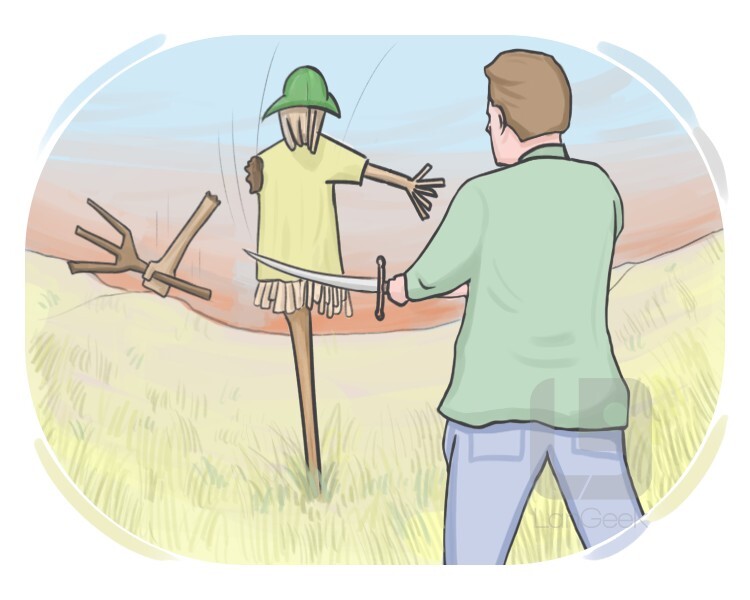
levĂĄg, elvĂĄg
to use a sharp object like scissors or a knife on something to remove a piece from its edge or ends
Transitive: to cut off sth
Példåk
She carefully cut off a piece of fabric to make a patch for the torn shirt.
Ăvatosan levĂĄgott egy darab anyagot, hogy foltot kĂ©szĂtsen a szakadt inghez.
02
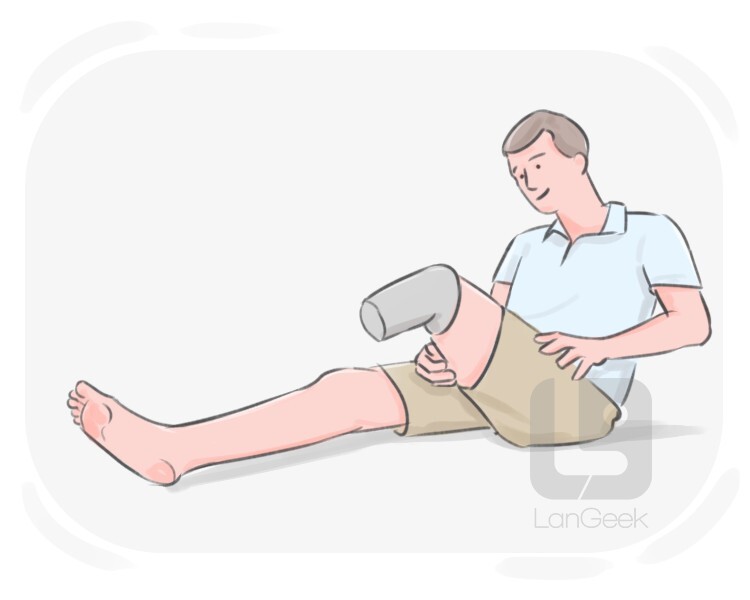
levĂĄgni, amputĂĄlni
to remove a part of the body, tissue, or organ through a surgical intervention
Transitive: to cut off a body part or organ
Példåk
To address the tumor, the oncology team opted to cut off the tumor mass through a precise surgical procedure.
A tumor kezelĂ©sĂ©re az onkolĂłgiai csapat Ășgy döntött, hogy egy precĂz sebĂ©szi eljĂĄrĂĄssal eltĂĄvolĂtja a tumor tömegĂ©t.
03
megszakĂt, vĂĄg
to abruptly stop speaking or interrupt someone in the middle of their speech
Transitive: to cut off sb
Példåk
The professor cut off the student who was going off-topic during the lecture.
A professzor megszakĂtotta az elĆadĂĄs alatt a tĂ©mĂĄtĂłl eltĂ©rĆ hallgatĂłt.
04
elvĂĄgni, megszĂŒntetni
to stop providing a specific resource
Transitive: to cut off a resource
Példåk
The drought conditions forced authorities to cut off water supply to conserve resources.
A szĂĄrazsĂĄg miatt a hatĂłsĂĄgok kĂ©nytelenek voltak elzĂĄrni a vĂzellĂĄtĂĄst az erĆforrĂĄsok megĆrzĂ©se Ă©rdekĂ©ben.
05
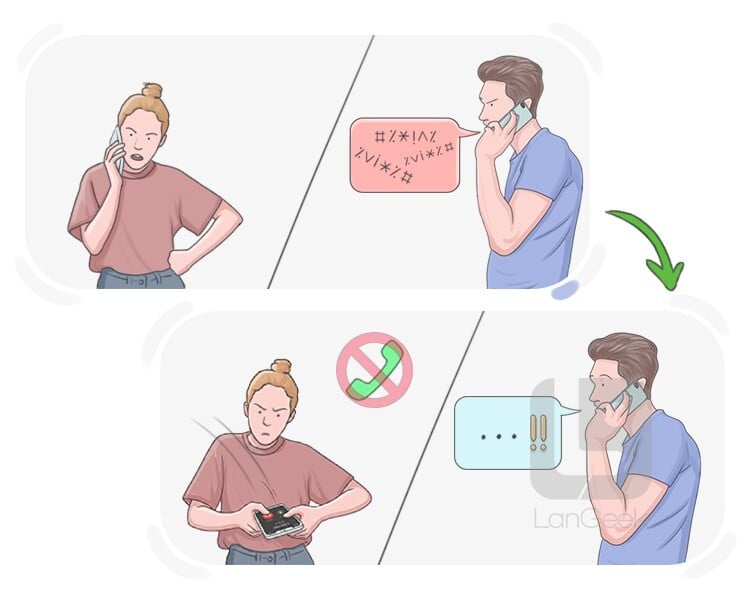
megszakĂt, levĂĄg
to end a phone call while the other person is still on the line
Transitive: to cut off a phone call
Példåk
Due to a poor signal, Amanda had to cut off the call with her colleague in the middle of their conversation.
A gyenge jel miatt AmandĂĄnak meg kellett szakĂtania a hĂvĂĄst a kollĂ©gĂĄjĂĄval a beszĂ©lgetĂ©s közepĂ©n.
06
megszakĂtja a kiszolgĂĄlĂĄst, megtagadja a kiszolgĂĄlĂĄst
to cease serving alcoholic drinks to an individual
Transitive: to cut off sb
Példåk
It 's essential for establishments to have a policy in place to cut off patrons who exhibit unsafe levels of alcohol consumption.
LĂ©tfontossĂĄgĂș, hogy az intĂ©zmĂ©nyeknek legyen egy politikĂĄjuk azoknak a vendĂ©geknek a kiszolgĂĄlĂĄsĂĄnak megszĂŒntetĂ©sĂ©re, akik biztonsĂĄgtalan szintƱ alkoholfogyasztĂĄst mutatnak.
07
levĂĄgni, elvĂĄlasztani
to become separated or isolated from something or someone, often by an obstacle or barrier
Transitive: to cut off a place or area
Példåk
The river cut off the village from the rest of the region.
A folyĂł elvĂĄgta a falut a rĂ©giĂł többi rĂ©szĂ©tĆl.
08
kizĂĄr a vĂ©grendelletbĆl, megfoszt az öröksĂ©gtĆl
to exclude someone from getting one's possessions after death
Transitive: to cut off an heir
Példåk
To express his values, the artist decided to cut off family members who did not share his artistic vision.
Hogy kifejezze Ă©rtĂ©keit, a mƱvĂ©sz Ășgy döntött, hogy megszakĂtja a kapcsolatot azokkal a csalĂĄdtagokkal, akik nem osztottĂĄk mƱvĂ©szi lĂĄtĂĄsmĂłdjĂĄt.
09
elvĂĄgni az utat, blokkolni az utat
to aggressively and dangerously drive one's vehicle in the path of a moving vehicle
Dialect
American
Transitive: to cut off a person or vehicle
Informal
Példåk
He narrowly avoided an accident when a truck unexpectedly cut him off on the highway.
Alig kerĂŒlte el a balesetet, amikor egy teherautĂł vĂĄratlanul elvĂĄgta az Ășton.
10
megszakĂt, vĂ©get vet egy kapcsolatnak
to end a relationship, particularly a friendly one
Transitive: to cut off a person or a relationship
Példåk
The disagreement over business decisions led the partners to cut off their professional relationship.
Az ĂŒzleti döntĂ©sekben mutatkozĂł nĂ©zeteltĂ©rĂ©s arra kĂ©sztette a partnereket, hogy megszakĂtsĂĄk szakmai kapcsolatukat.
11
megfoszt, levĂĄg
to deny someone or something what they need or want
Transitive: to cut off a need or privilege
Példåk
The manager had to cut off additional overtime hours to prevent employee burnout.
A menedzsernek le kellett vĂĄgnia a tovĂĄbbi tĂșlĂłrĂĄkat, hogy megelĆzze a munkavĂĄllalĂłk kimerĂŒlĂ©sĂ©t.
cut-off
01
levĂĄgott, elszakĂtott
physically removed from a larger whole through an act of slicing, severing, or trimming
Példåk
He wore a pair of cut-off jeans in the summer heat.
Egy pĂĄr levĂĄgott farmert viselt a nyĂĄri hĆsĂ©gben.