

Search
Select the dictionary language






























a row of people or things behind each other or next to each other
 American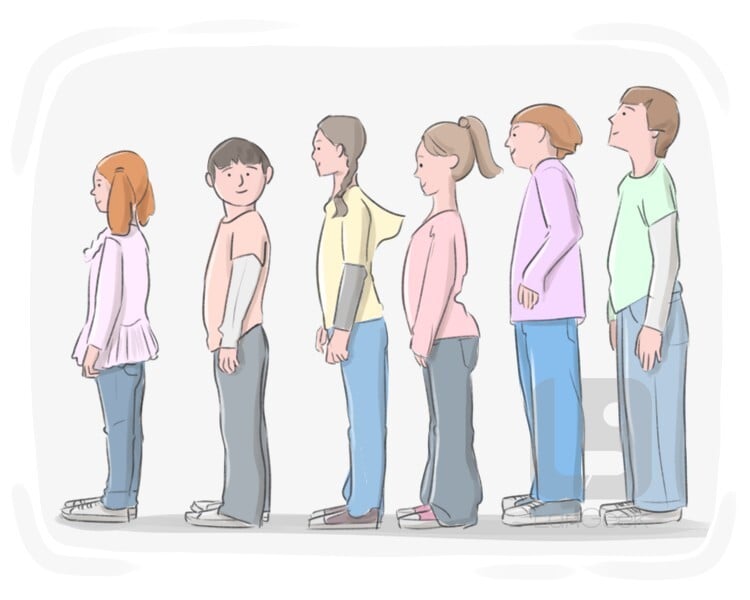
the track or route along which a train travels
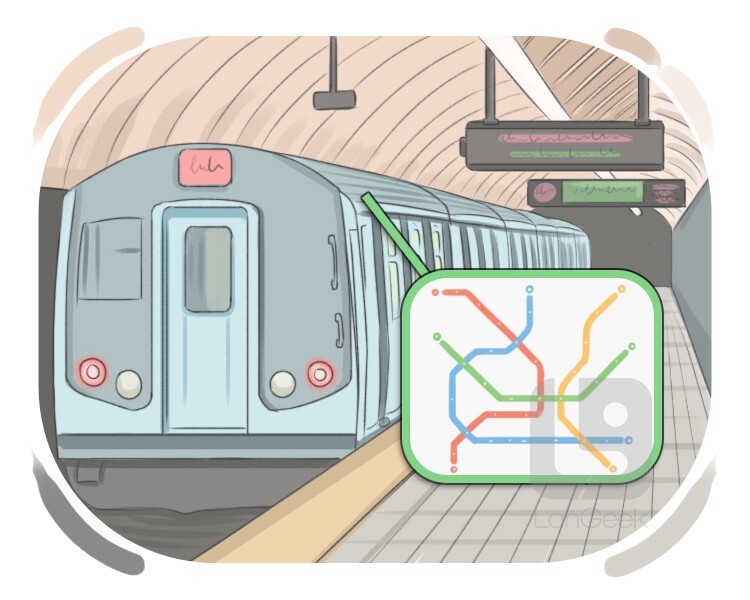
What is a "line"?
A line refers to a track or route that a train follows as it moves from one location to another. Train lines are typically made up of a series of connected rails and stations, allowing trains to travel along a set path. These lines can vary in length, from short local routes to long-distance connections between cities.
a telephone connection or service
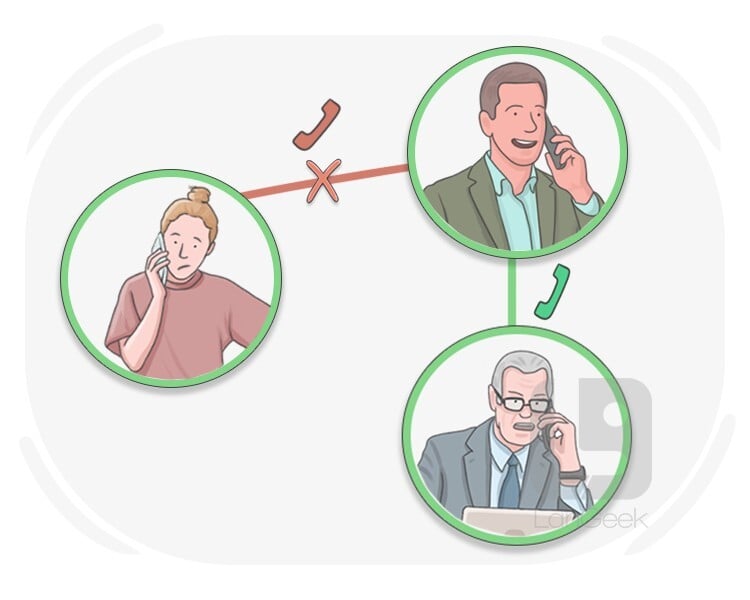
What is a "line"?
A line is the physical or digital link that enables a telephone to make and receive calls. It connects the phone to a network, such as a landline system or mobile network, allowing communication between users. A telephone line can be a traditional wired connection, such as a landline, or a wireless connection, such as a mobile phone signal. It is essential for establishing voice communication, and in some cases, may also support other services like Internet access or faxing.
a formation of people or things one behind another
a continuous extent with length but no width or thickness, formed by the path of a moving point
a sequence of printed or written letters or characters arranged horizontally to form words
What is a "line"?
A line refers to a single row of text that extends horizontally across the page. Lines can vary in length and are typically used to organize content in poetry, prose, or any written document. In poetry, the arrangement of lines contributes to the overall rhythm, structure, and visual presentation of the poem. In prose, lines help break up text for readability, making it easier for the reader to follow the narrative or argument. The way lines are formatted can also affect the emphasis and flow of ideas within the text.
a sequence of reasoning intended to demonstrate a truth or falsehood
a defensive or fortified position, especially representing the foremost point held by troops
a very narrow range of radiation within a spectrum
a conductor used to transmit electrical power, signals, or optical data
a sequence of related events, actions, or developments
a spatial location defined by a one-dimensional extent, whether real or imaginary
a small crease, fold, or depression in the surface of an object
a pipe or conduit used to carry liquids or gases from one place to another
behavior or action that conforms to a standard, rule, or expectation
the main occupation that a person engages in to earn a living
a cord, rope, or similar object used for tying, pulling, or hanging
the lineage or family line from a specific ancestor
a business that provides transport services for goods or passengers
a group of related products offered by a business
a channel used for sending or receiving information
a boundary or marking that defines the area of play
a system where tasks are performed in sequence to assemble a product
a boundary or distinction used to separate or differentiate concepts, ideas, or categories
a melody or sequence of musical notes forming a recognizable tune
a brief note sent to someone
slick or flattering words often used to manipulate
a unit of vertical measurement in typesetting or advertising
dialogue or spoken text assigned to an actor
What is a "line"?
A line is a specific piece of dialogue or text spoken by a character in a script or performance. It represents the words that an actor delivers during their role and is essential to the development of the character and the story. Lines can vary in length and importance, from brief remarks to extensive monologues.
to form a row or be positioned along the edge of something
to cover the interior surface of something, often for protection, decoration, or insulation
to fill a space generously
to draw lines on a surface
to mark something with lines
LanGeek
Download Our Mobile App

Lexical Tree

