

Szukaj





























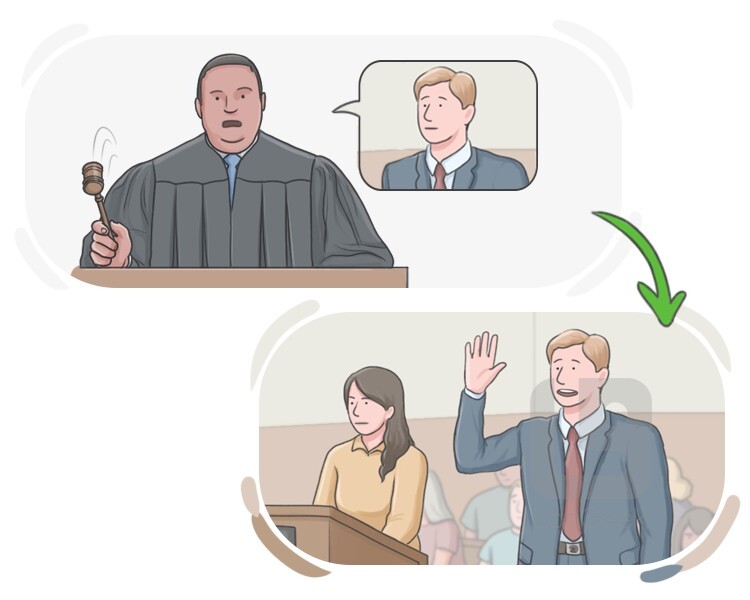
to summon
01
wezwać, przywołać
to officially call someone, typically to attend court or fulfill a legal obligation
Ditransitive: to summon sb to do sth
informacje gramatyczne
budowa morfologiczna
prosty
czasownik czynnościowy
regularny
czas teraźniejszy
summon
3. osoba liczby pojedynczej
summons
imiesłów czynny
summoning
czas przeszły prosty
summoned
imiesłów bierny
summoned
Przykłady
The judge summoned the witness to testify during the trial.
Sędzia wezwał świadka do zeznawania podczas procesu.
02
wezwać, zwołać
to call upon someone to be present at a particular place or event
Transitive: to summon sb
Przykłady
The CEO summoned the department heads for an urgent meeting.
CEO wezwał szefów działów na pilne spotkanie.
03
zwoływać, wzywać
to formally call for the gathering or assembly of people
Transitive: to summon a gathering
Przykłady
The CEO summoned a meeting to discuss the company's financial projections for the upcoming quarter.
Prezes zwołał spotkanie, aby omówić prognozy finansowe firmy na nadchodzący kwartał.
04
przyzywać, zbierać
to stir oneself to apply a particular skill or ability
Transitive: to summon a skill or ability
Przykłady
In the face of adversity, he summoned his courage to speak up for what he believed was right.
W obliczu przeciwności zebrał się na odwagę, aby wypowiedzieć się w obronie tego, co uważał za słuszne.
05
przyzywać, wzywać
to make a supernatural entity or magical object appear or come into the physical world
Transitive: to summon a supernatural entity
Przykłady
The sorcerer summoned a powerful spirit to assist him during the ancient ritual.
Czarodziej przywołał potężnego ducha, aby pomógł mu podczas starożytnego rytuału.
LanGeek
Pobierz naszą aplikację mobilną

Drzewo Leksykalne
summoning
summon

