






























to evolve
01
進化する, 発展する
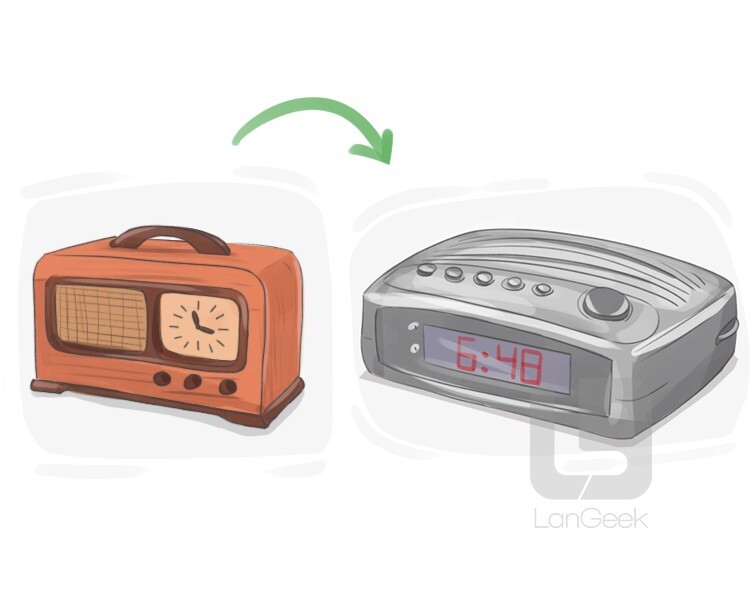
to develop from a simple form to a more complex or sophisticated one over an extended period
Intransitive
文法情報
形態的構成
単純語
動作動詞
規則的
現在時制
evolve
三人称単数
evolves
現在分詞
evolving
単純過去
evolved
過去分詞
evolved
例
The Internet has evolved from a basic communication tool to a complex network of information.
インターネットは、基本的な通信ツールから複雑な情報ネットワークへと進化しました。
1.1
進化する, 発展する
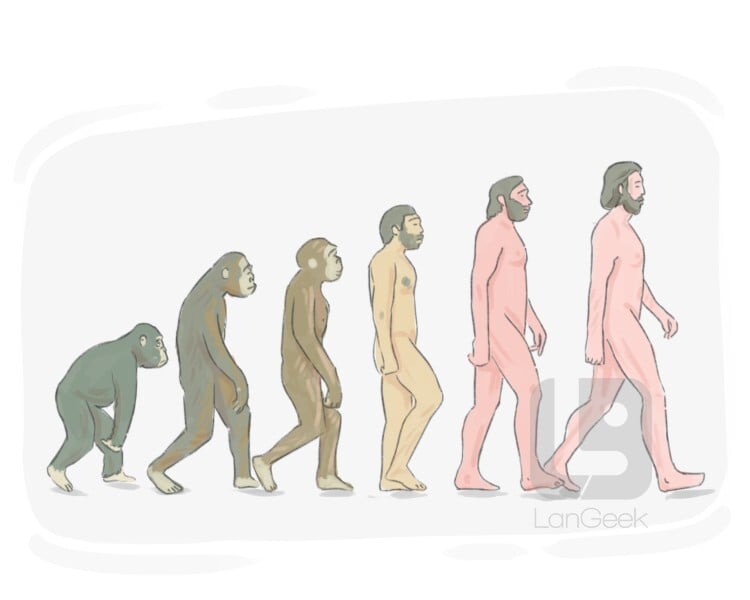
(biology) to change gradually and over generations into forms that are better adapted to the environment and fitter to survive
Intransitive
例
Over millions of years, horses have evolved from small, multi-toed ancestors to the single-toed, large-bodied animals we see today.
何百万年もの間に、馬は小さくて複数の指を持つ祖先から、今日私たちが見る単一の指を持つ大きな体の動物へと進化しました。
02
進化する
to undergo genetic changes that result in the acquisition or development of new traits
Transitive: to evolve new traits
例
Birds evolved feathers from their reptilian ancestors, which initially served as insulation and later adapted for flight.
鳥は、爬虫類の祖先から羽を進化させ、最初は断熱材として機能し、後に飛行に適応しました。
03
進化させる, 出現を促進する
to facilitate the development or emergence of something
Transitive: to evolve sth
例
The community organization collaborated with local residents to evolve a sustainable development plan for the neighborhood.
地域組織は、地域の持続可能な開発計画を進化させるために地元住民と協力しました。


