






























to refuse
01
断る, 拒否する
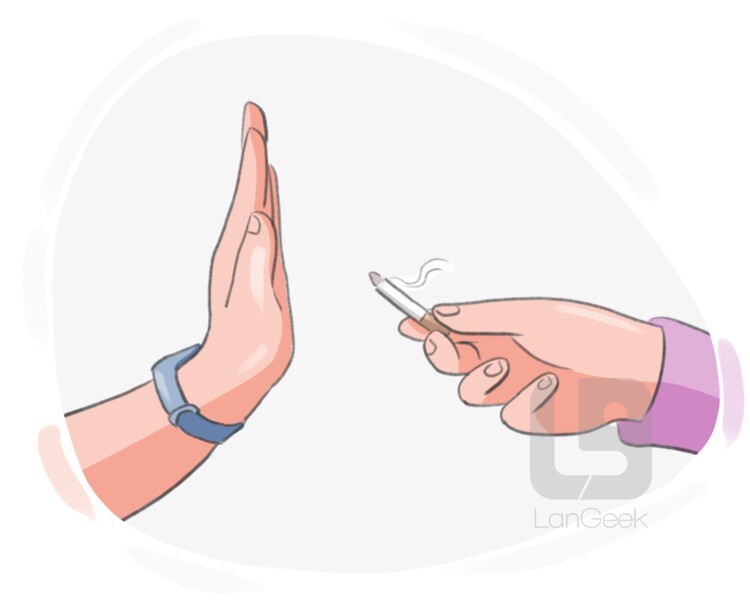
to say or show one's unwillingness to do something that someone has asked
Transitive: to refuse an offer
文法情報
形態的構成
単純語
動作動詞
規則的
現在時制
refuse
三人称単数
refuses
現在分詞
refusing
単純過去
refused
過去分詞
refused
例
The student had to refuse the invitation to join the extracurricular club due to time constraints.
生徒は時間の制約のため、課外クラブへの参加招待を断らなければならなかった。
02
断る, 拒否する
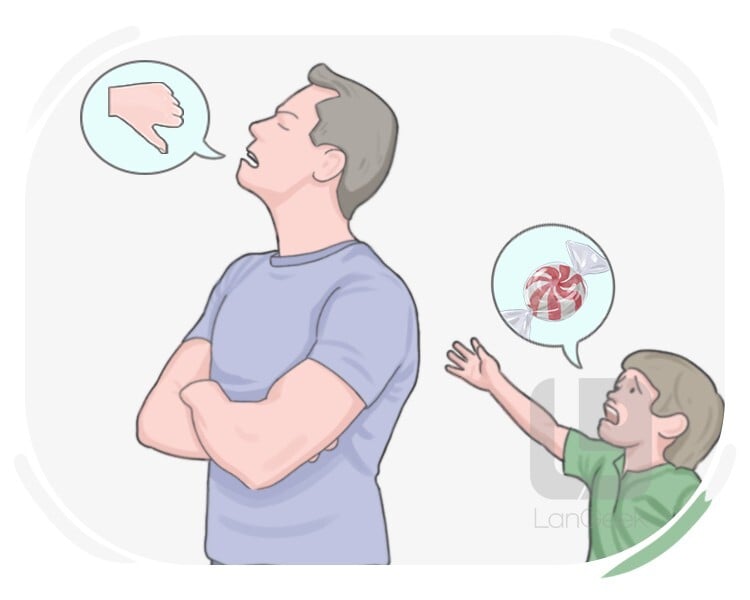
to not accept what someone has offered us or asked us to do
Transitive: to refuse to do sth
例
She refused to accept the job offer because it didn't align with her career goals.
彼女はキャリア目標と一致しなかったため、その仕事のオファーを受け入れることを拒否しました。
03
拒む, 失敗する
to fail or be unable to perform the function or action that is expected of it
Transitive: to refuse to do sth
例
The old car refused to start on the cold winter morning, leaving them stranded in the driveway.
古い車は寒い冬の朝にエンジンがかかるのを拒否し、彼らを車道で立ち往生させた。
04
拒否する, 断る
to deny someone permission to have something
Transitive: to refuse sth
Ditransitive: to refuse sb a permission | to refuse a permission to sb
例
The bouncer refused entry to anyone who couldn't provide valid identification.
入り口の警備員は、有効な身分証明書を提示できない人々の入場を拒否しました。
05
拒絶する, 見捨てる
to reject or disown someone or something, often due to a disagreement or a perceived betrayal
Transitive: to refuse sb
例
After years of arguments and conflicts, the father decided to refuse his son and cut off all communication.
何年もの議論と衝突の後、父親は息子を拒否し、すべてのコミュニケーションを断つことに決めました。
Refuse
01
ごみ、廃棄物
unwanted materials or items that have been discarded
文法情報
有生性の状態
無生物
形態的構成
複合語
不可算
singular
not gender specific
複数形
refuses


