

অনুসন্ধান করুন
অভিধানের ভাষা নির্বাচন করুন





























পিছু হটা, প্রত্যাবর্তন করা
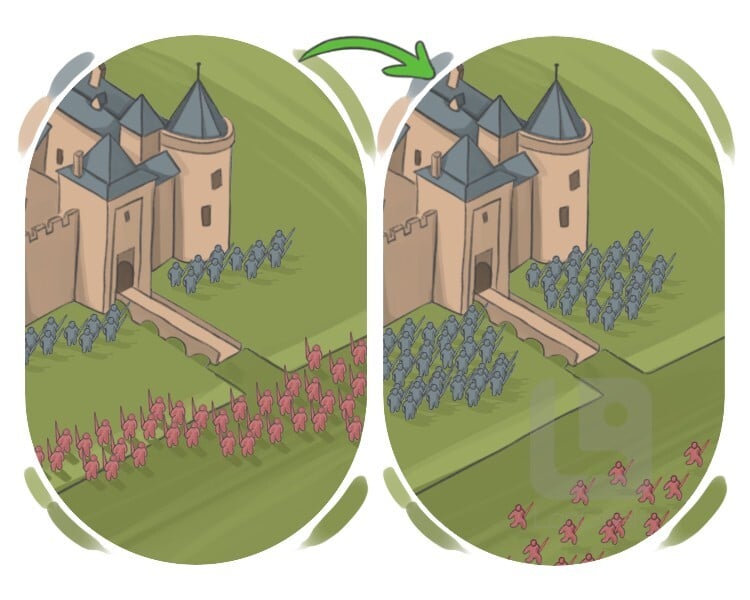
প্রচণ্ড শত্রু বাহিনীর মুখোমুখি হয়ে, ব্যাটালিয়ন যুদ্ধক্ষেত্র থেকে পিছু হটতে সিদ্ধান্ত নিয়েছে।
পিছু হটা, মত পরিবর্তন করা
দল দ্বারা ভালভাবে গ্রহণ করা হয়নি বুঝতে পেরে তিনি দ্রুত তার অবস্থান থেকে পিছিয়ে গেলেন।
পিছু হটা, প্রত্যাহার করা
যখন সূর্য জ্বলে, তখন টিকটিকি ছায়ায় পিছু হটে।
পিছু হটা, নির্জনে যাওয়া
একটি দীর্ঘ সপ্তাহের পরে, তিনি কিছু শান্তি এবং শান্তির জন্য বনের কেবিনে প্রত্যাহার করার সিদ্ধান্ত নিয়েছিলেন।
পশ্চাদপসরণ, প্রত্যাবর্তন
সেনাবাহিনীর পশ্চাদপসরণ সম্পূর্ণ ধ্বংস রোধ করেছে।
নির্জনতা, বিশ্রাম
সে শহুরে জীবন থেকে পালাতে সপ্তাহান্তে প্রত্যাবর্তন করতে গিয়েছিল।
প্রত্যাবর্তন, পশ্চাদপসরণ
পর্বতারোহীদের ঝড় থেকে প্রত্যাহার সময়মত ছিল।
আশ্রয়স্থল, নির্জন স্থান
তিনি শহুরে জীবনের হট্টগোল থেকে দূরে, তার বাগানের অবসরস্থলে সান্ত্বনা পেয়েছিলেন।
রিট্রিট, পতাকা নামানোর সংকেত
শিবিরের পিছনে সূর্য অস্ত যাওয়ার সময় রিট্রিট বাজছিল।
পশ্চাদপসরণ, প্রত্যাবর্তন
পশ্চাদপসরণ ভোরের ঠিক আগে বাজানো হয়েছিল।
পশ্চাদপসরণ, প্রত্যাহার
জনসাধারণের প্রতিক্রিয়ার পর কোম্পানি একটি পশ্চাদপসরণ করেছে।
LanGeek


