to discharge
01
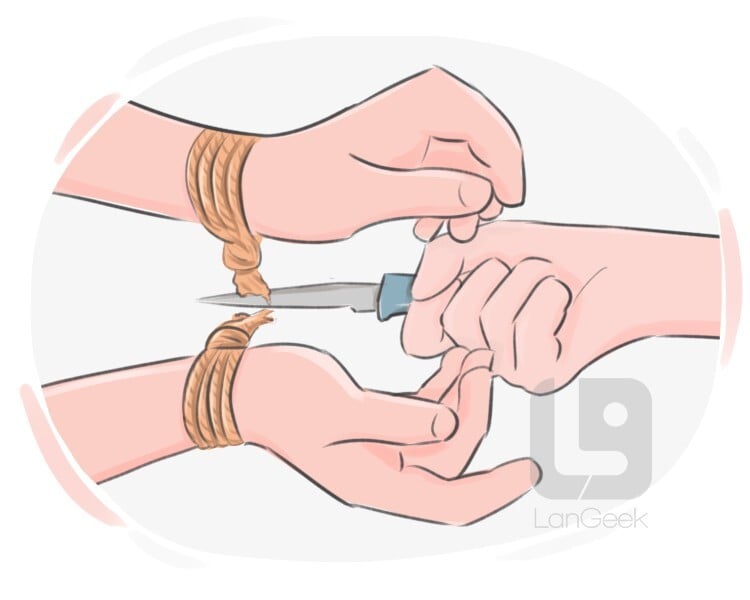
석방하다, 면제하다
to free or release someone from legal or official confinement
Transitive: to discharge sb
예시들
The judge decided to discharge the defendant due to insufficient evidence, clearing them of all charges.
판사는 증거 불충분으로 피고를 석방하기로 결정했고, 모든 혐의에서 풀어주었다.
After serving their full sentence, the prison authorities discharged the inmate and escorted them to freedom.
전형을 다 채운 후, 교도소 당국은 수감자를 석방하고 자유로 이송했습니다.
02
발사하다, 방전하다
(of a firearm) to release a projectile or burst of energy when triggered
Intransitive
예시들
The rifle discharged with a loud bang, echoing through the forest.
소총이 큰 소리와 함께 발사되어 숲 속에 메아리쳤다.
Despite being well-trained, the soldier 's weapon discharged prematurely during the skirmish.
잘 훈련되었음에도 불구하고, 군인의 무기는 소규모 전투 중 너무 일찍 발사되었다.
03
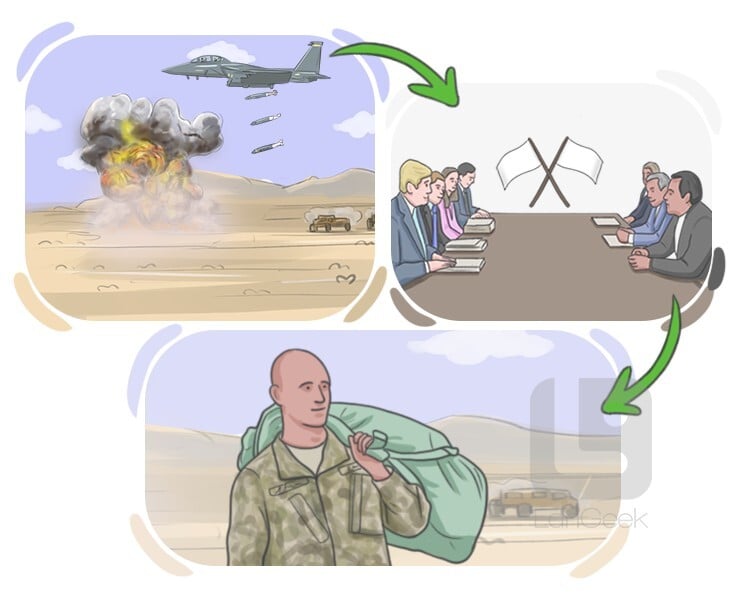
제대시키다, 면직시키다
to make someone leave the armed forces or police and relieving them from their duties
Transitive: to discharge a member of armed forces
예시들
After completing their tour of duty, the soldier was honorably discharged from the military.
복무를 마친 후, 그 군인은 명예롭게 군대에서 제대했다.
Due to a medical condition, the servicemember was medically discharged from the Navy.
의학적인 상태로 인해, 그 군인은 해군에서 의학적으로 제대했습니다.
04
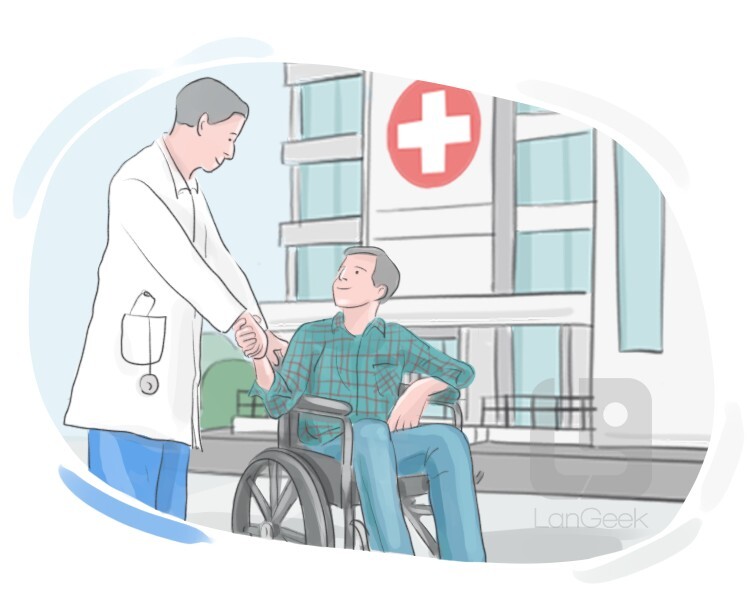
퇴원시키다, 방출하다
to allow a patient to leave the hospital because they have recovered and no longer need to receive inpatient care
Transitive: to discharge a patient
예시들
The doctor discharged the patient from the hospital after a successful surgery and confirmed recovery.
의사는 성공적인 수술과 확인된 회복 후 환자를 병원에서 퇴원시켰다.
The medical team decided to discharge the elderly patient to free up a bed for more critical cases.
의료팀은 더 중요한 사례를 위해 침대를 비우기 위해 노인 환자를 퇴원시키기로 결정했습니다.
05
이행하다, 완수하다
to carry out or complete all necessary tasks or obligations associated with a duty or responsibility
Transitive: to discharge a task or obligation
예시들
The diligent employee discharged her responsibilities with precision and efficiency.
성실한 직원은 정확성과 효율성으로 자신의 책임을 수행했다.
Despite facing numerous challenges, he discharged his duties as project manager.
수많은 도전에 직면했음에도 불구하고, 그는 프로젝트 매니저로서의 의무를 수행했다.
06
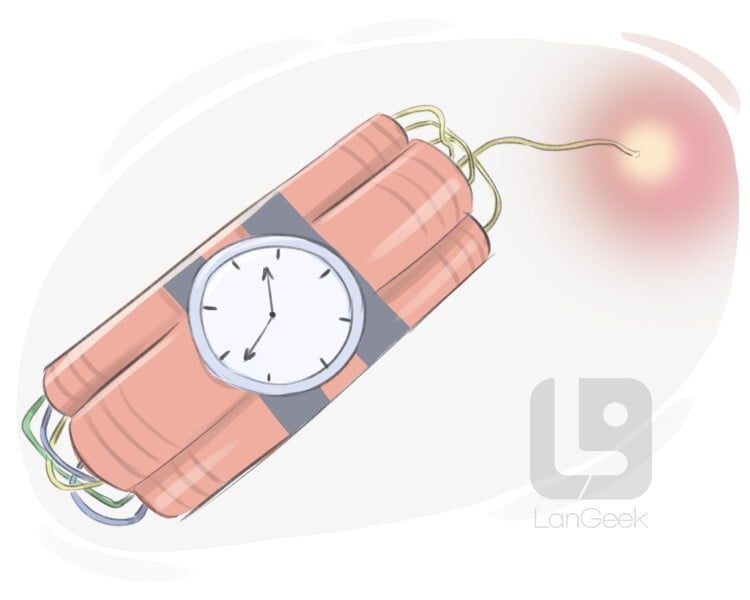
배출하다, 방출하다
to give off or release a substance like gas or liquid
Transitive: to discharge a substance
예시들
The factory was fined for discharging pollutants into the river, causing environmental damage.
공장은 강에 오염 물질을 배출하여 환경 피해를 일으킨 것으로 과태료를 부과받았다.
The volcano discharged ash and lava during the eruption, covering the surrounding area.
화산이 분출 동안 재와 용암을 방출하여 주변 지역을 덮었습니다.
07
방전하다, 중화하다
to remove or neutralize the electric charge from an object
Transitive: to discharge an electric charge
예시들
The lightning rod on the building 's rooftop is designed to discharge any buildup of static electricity
건물 지붕의 피뢰침은 정전기의 축적을 방전하도록 설계되었습니다.
The power plant discharged excess energy into the grid during periods of low demand.
발전소는 수요가 적은 기간 동안 초과 에너지를 그리드로 방전했습니다.
08
해방하다, 면제하다
to free or release someone from a contractual or legal obligation
Transitive: to discharge sb from a contractual or legal obligation
예시들
The court ordered the landlord to discharge the tenant from the lease agreement due to breach of contract.
법원은 계약 위반으로 인해 집주인이 임차인을 임대 계약에서 해제하도록 명령했습니다.
After completing the agreed-upon terms, the contractor was discharged from their obligations to renovate the building.
합의된 조건을 완료한 후, 계약자는 건물을 리모델링할 의무에서 해제되었습니다.
09
발사하다, 쏘다
to release a projectile from a firearm
Transitive: to discharge a firearm
예시들
The soldier carefully aimed before discharging his rifle, hitting the target with precision.
군인이 소총을 발사하기 전에 조심스럽게 조준했고, 정확하게 표적을 맞췄다.
The hunter discharged his shotgun, bringing down the bird in a single shot.
사냥꾼은 산탄총을 발사하여 한 발로 새를 떨어뜨렸다.
10
내리다, 짐을 내리다
to drop or unload goods or passengers from a vessel onto land or another mode of transportation
Transitive: to discharge goods or passengers
예시들
As the vessel reached the harbor, the crew prepared to discharge the cargo.
배가 항구에 도착하자, 선원들은 화물을 내리기 위해 준비했다.
The bustling port echoed with the sounds of cranes and machinery as they discharged the containers from the cargo ship.
분주한 항구는 크레인과 기계 소리로 가득 찼고, 그들은 화물선에서 컨테이너를 내리고 있었습니다.
11
고름을 배출하다, 고름이 나오다
(of a wound or body part) to slowly release an infectious liquid, called pus
Transitive: to discharge pus
예시들
The infected cut on his arm started to discharge pus, causing him considerable discomfort.
그의 팔에 감염된 상처가 고름을 배출하기 시작했고, 그에게 상당한 불편을 초래했습니다.
The doctor carefully cleaned and dressed the wound to prevent it from discharging any pus.
의사는 상처가 고름을 배출하는 것을 방지하기 위해 조심스럽게 청소하고 붕대를 감았습니다.
Discharge
01
the sudden release of stored energy, such as electricity, heat, or radiation
예시들
The engineer studied the pattern of the electric discharge in the plasma chamber.
The capacitor released a brief discharge before shutting down.
02
the act of releasing emotions or tension
예시들
Therapy helped him achieve a safe discharge of anger.
The audience felt a discharge of excitement after the performance.
03
a bodily process in which fluids or substances are released from the body
예시들
The nurse examined the wound for any unusual discharge.
Nasal discharge can be a symptom of infection.
04
a material or substance that is emitted, expelled, or released
예시들
The factory was fined for toxic discharge into the river.
Smoke and chemical discharge polluted the air near the plant.
05
the action of firing a weapon
예시들
The accidental discharge of the rifle startled everyone.
He was fined for negligent discharge of a firearm.
06
the official ending of someone's employment or service, allowing them to leave a duty or position
예시들
The soldier received an honorable discharge after ten years of service.
The company issued a discharge notice to several employees.
07
a formal written statement releasing someone from a duty, debt, or obligation
예시들
The lawyer prepared a discharge to clear his client of liability.
After repayment, the bank issued a discharge of mortgage.
08
a continuous or sudden flow of liquid or other fluid from a source
예시들
The pipe burst, causing a heavy discharge of water.
A brown discharge flowed from the drain after the storm.