






























to pay
01
지불하다, 돈을 주다
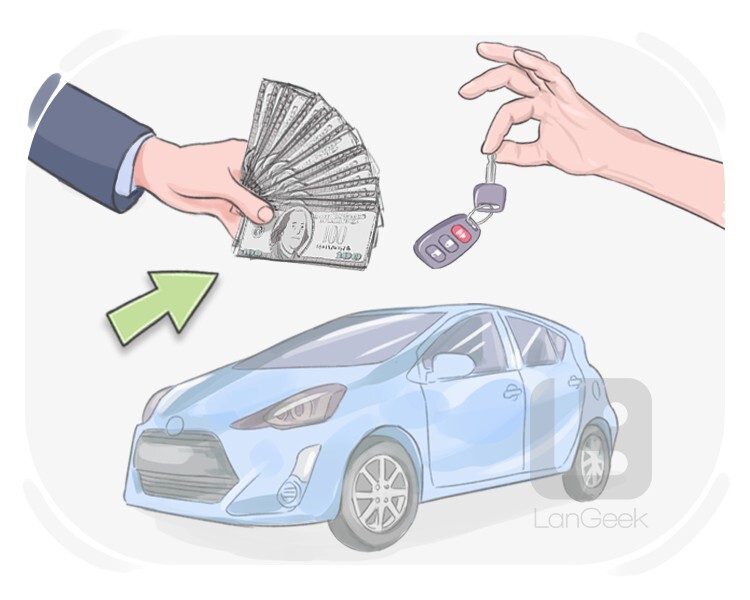
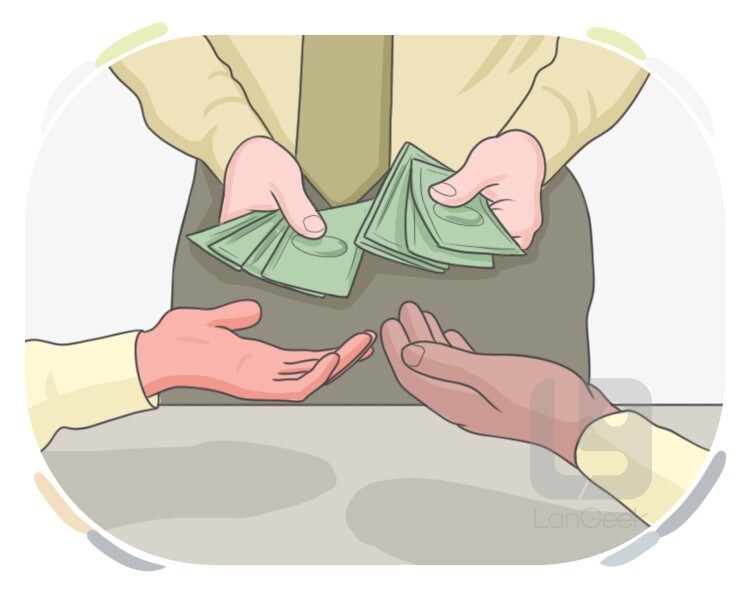
to give someone money in exchange for goods or services
문법 정보
형태적 구성
단순어
동작 동사
불규칙
현재 시제
pay
3인칭 단수
pays
현재분사
paying
단순 과거
paid
과거분사
paid
예시들
She paid the repairman to fix her broken dishwasher.
그녀는 고장난 식기 세척기를 고치기 위해 수리공에게 지불했습니다.
1.1
지불하다, 급여를 주다
(of a job, investment, etc.) to provide someone with a certain amount of money
Transitive: to pay an amount of money
Intransitive: to pay in a specific manner
예시들
I want to find a job that pays a higher salary.
더 높은 급여를 지급하는 일자리를 찾고 싶습니다.
1.2
지불하다
to give the amount of money that is required to be transferred because of a debt, bill, etc.
Transitive: to pay a sum owed
예시들
She needs to pay the rent by the end of the month.
그녀는 월말까지 임대료를 지불해야 합니다.
1.3
수익을 내다, 이익이 되다
to be profitable or bring in some advantage, particularly of a business or activity
Intransitive
예시들
It pays to invest time in learning new skills that can benefit your career.
당신의 경력에 도움이 될 수 있는 새로운 기술을 배우는 데 시간을 투자하는 것은 가치가 있다.
02
지불하다, 대가를 치르다
to experience the consequences or punishment for what one has done or believes
Intransitive: to pay for sth
Transitive: to pay sth
예시들
He knew he would pay for his reckless driving when he got a hefty speeding ticket.
그는 무모한 운전으로 인해 비싼 과속 티켓을 받았을 때 대가를 치르게 될 것임을 알았다.
03
하다, 갚다
(dummy verb) used with certain nouns to indicate giving or doing something that is mentioned
예시들
We should pay a visit to the new neighbors to welcome them to the neighborhood.
새 이웃들을 동네에 환영하기 위해 그들을 방문해야 합니다.
Pay
LanGeek
모바일 앱 다운로드

어휘 나무
overpay
payer
paying
pay

